
This post may contain affiliate links. Please read my disclosure policy.
All recipes on Doggone Baking are intended for humans — the dogs are just our enthusiastic photo assistants and taste-test spectators.
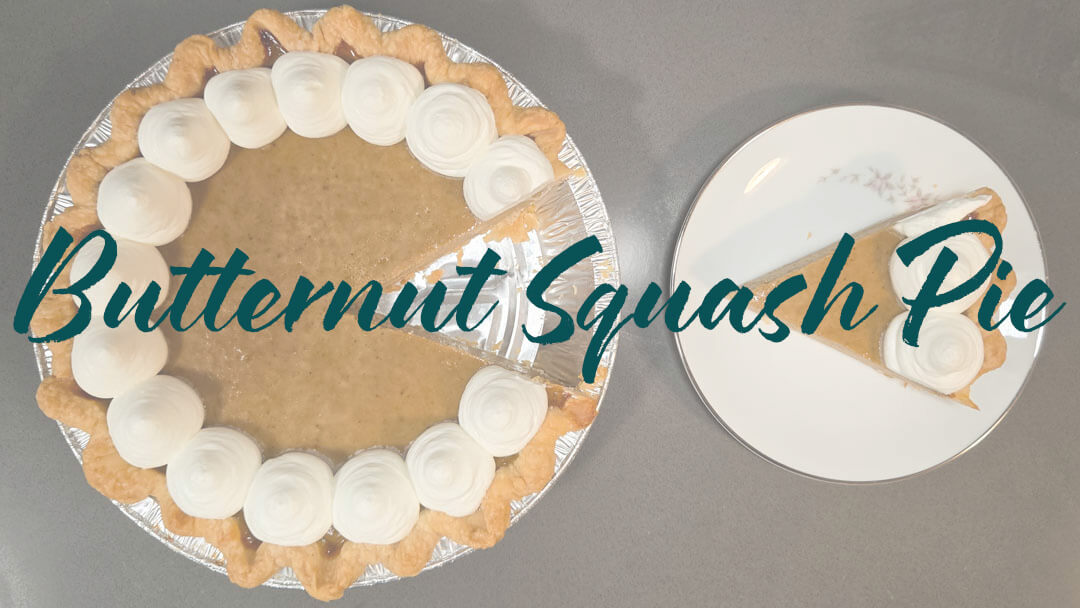
Butternut Squash Pie Recipe
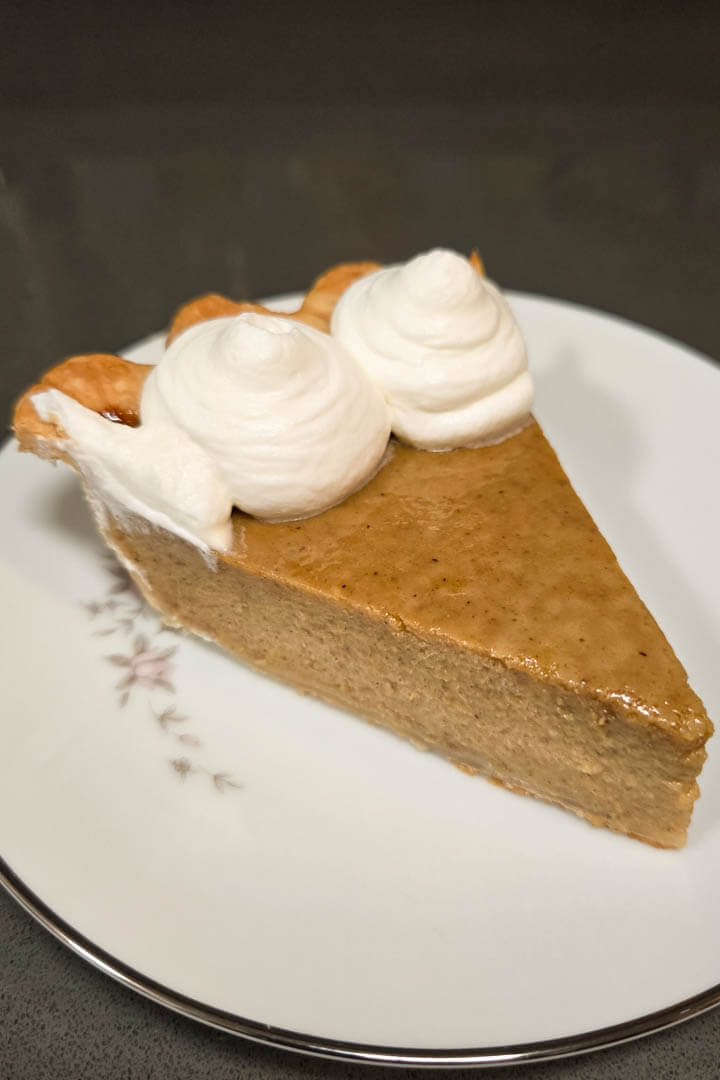
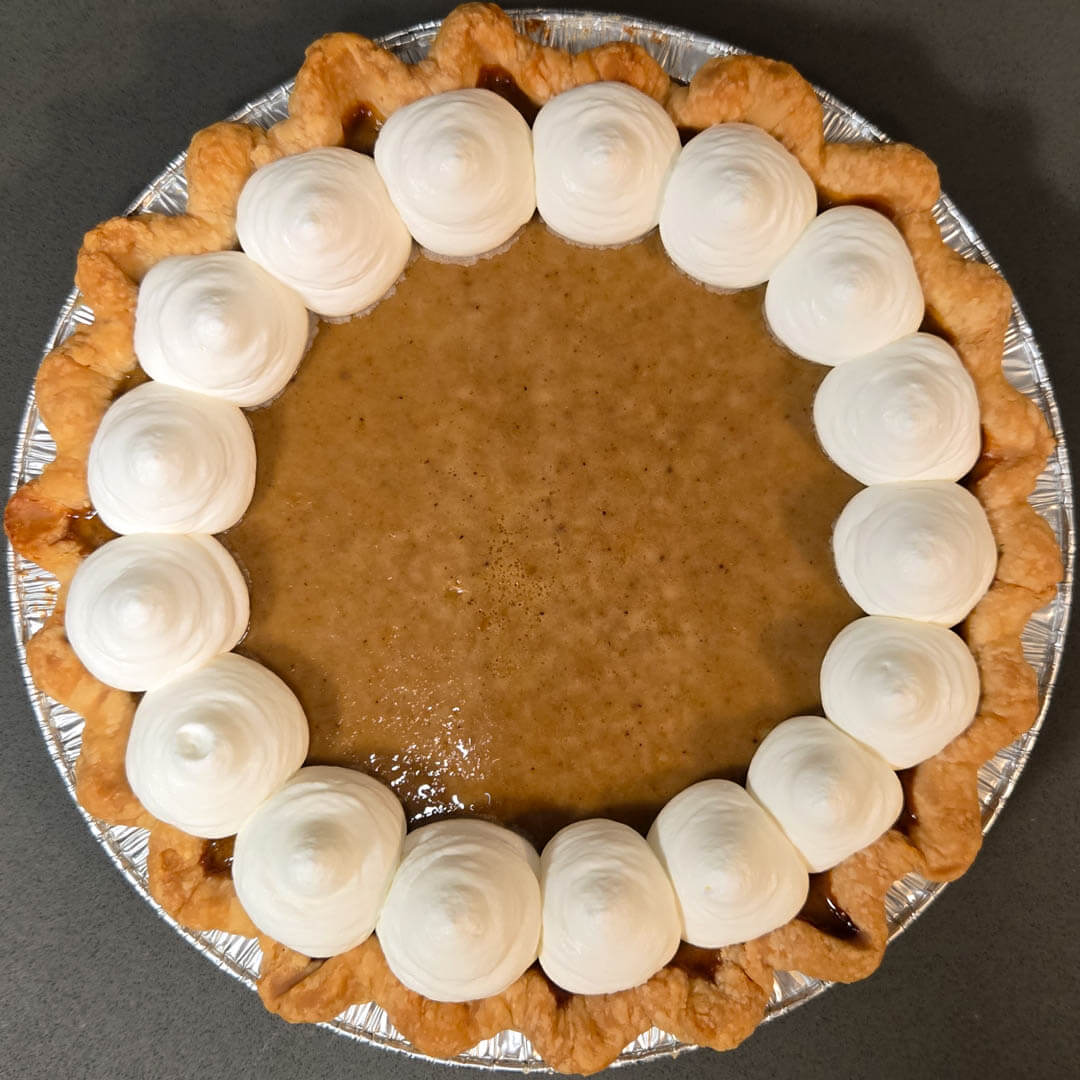
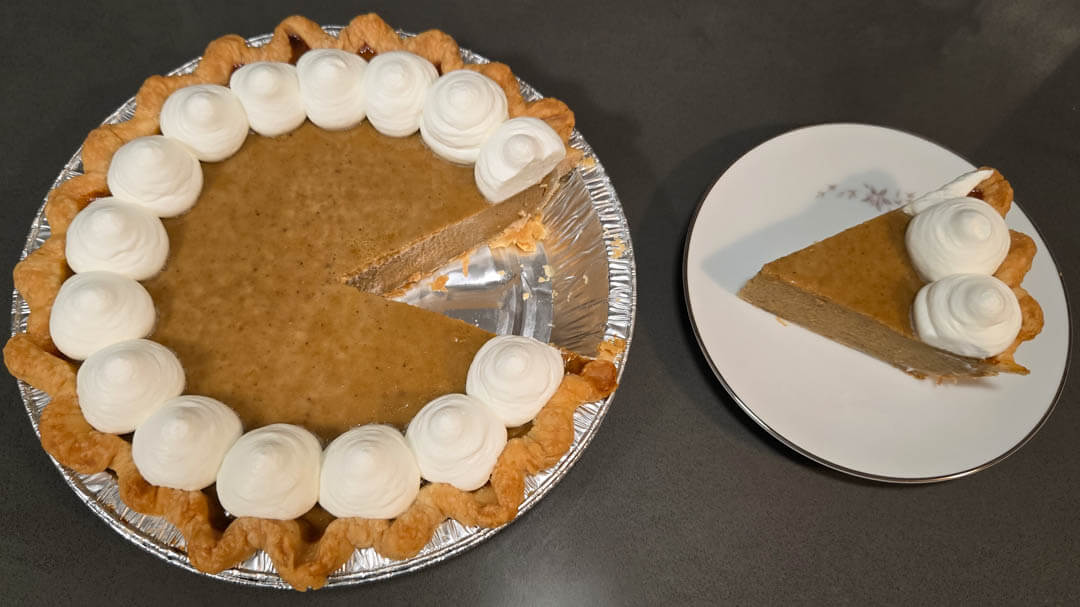
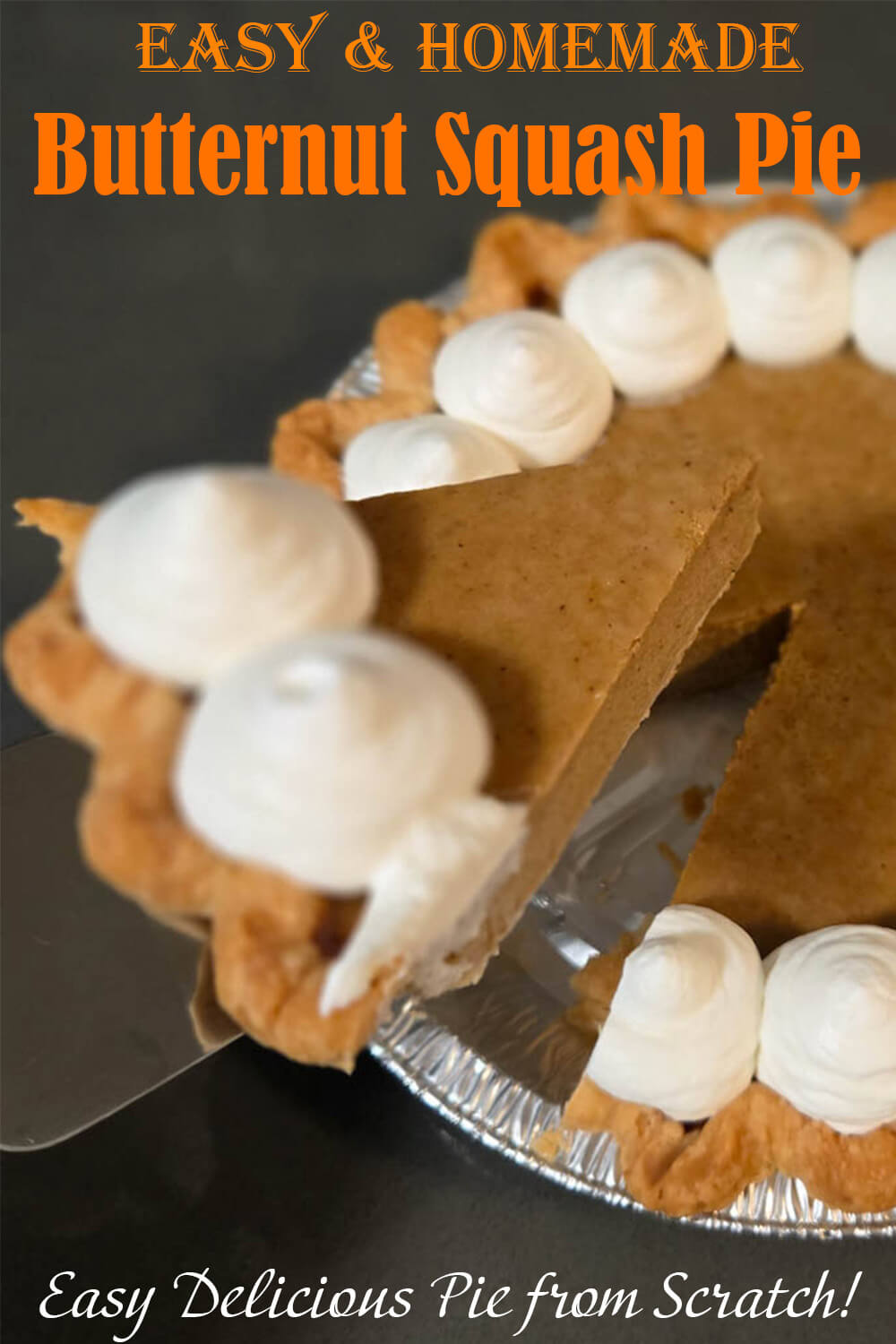
This butternut squash pie recipe is a delicious alternative to classic pumpkin pie, with a similar creamy texture and warm fall flavor. It’s a great choice when you want to try something a little different while still pleasing guests who love traditional pumpkin pie.
Butternut squash pie is a great option if you’re looking to make a homemade pumpkin pie from scratch. You can make your own pumpkin puree from scratch, but pie pumpkins can be difficult to find and work with. On the other hand, butternut squash tends to be very easy to find and easy to prepare. If you’re looking to make a fall pie completely from scratch, butternut squash pie fits the bill!

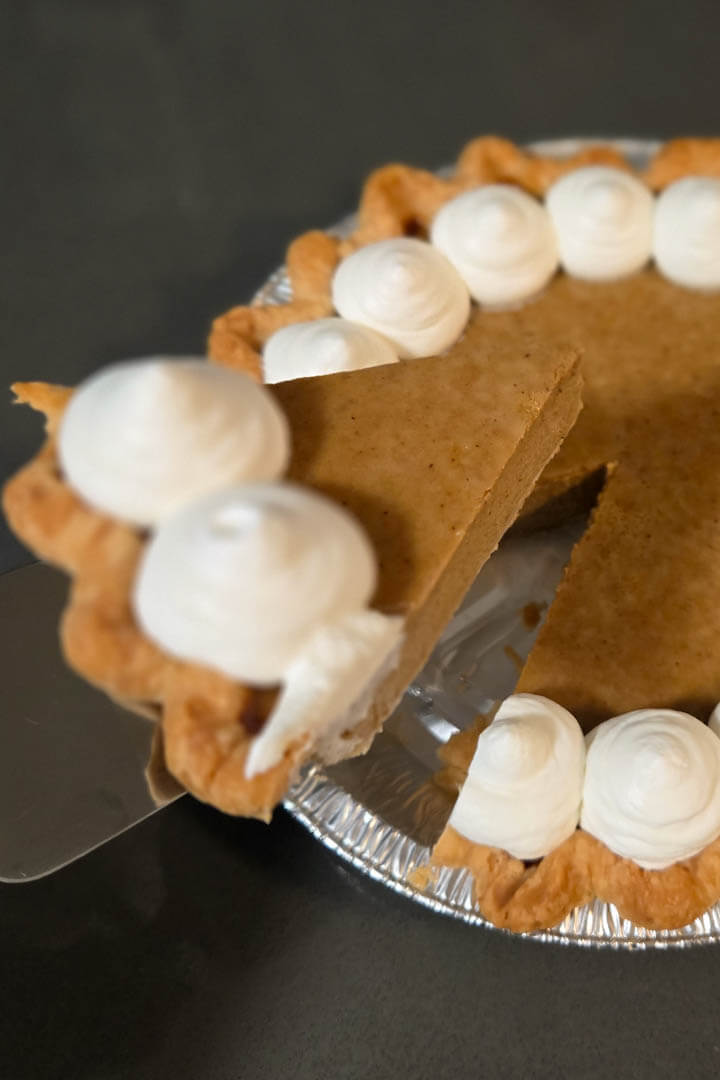
What is Butternut Squash Pie?
Butternut squash pie is made almost exactly the same as pumpkin pie, except it’s made with butternut squash puree rather than pumpkin puree. Like pumpkin pies, butternut squash pies are most often baked in a flaky all-butter pie crust, but you can also bake them in any number of crumb crusts like graham cracker crust. If you want to give the pie an extra festive twist, try baking it in a gingersnap pie crust.
What is the Difference Between Butternut Squash Pie and Pumpkin Pie?
Butternut squash pie and pumpkin pie are very similar pies, so what’s the difference? The biggest difference between the two pies is that it’s easier to make a butternut squash pie completely from scratch. While you can make pumpkin pie from scratch (and I explain how to make homemade pumpkin puree in my pumpkin pie recipe), it can be easier to find and work with butternut squash.
The two pies taste very very similar. In a blind taste test, we couldn’t consistently tell the difference between a butternut squash pie and a pumpkin pie. (A bit disappointing as I was hoping for a bit more of a difference). If you put the two slices side by side and try one after the other, the butternut squash pie is ever so slightly sweeter and more flavorful than the pumpkin pie. On the other hand, the pumpkin pie had an ever so slightly more vibrant orange color.
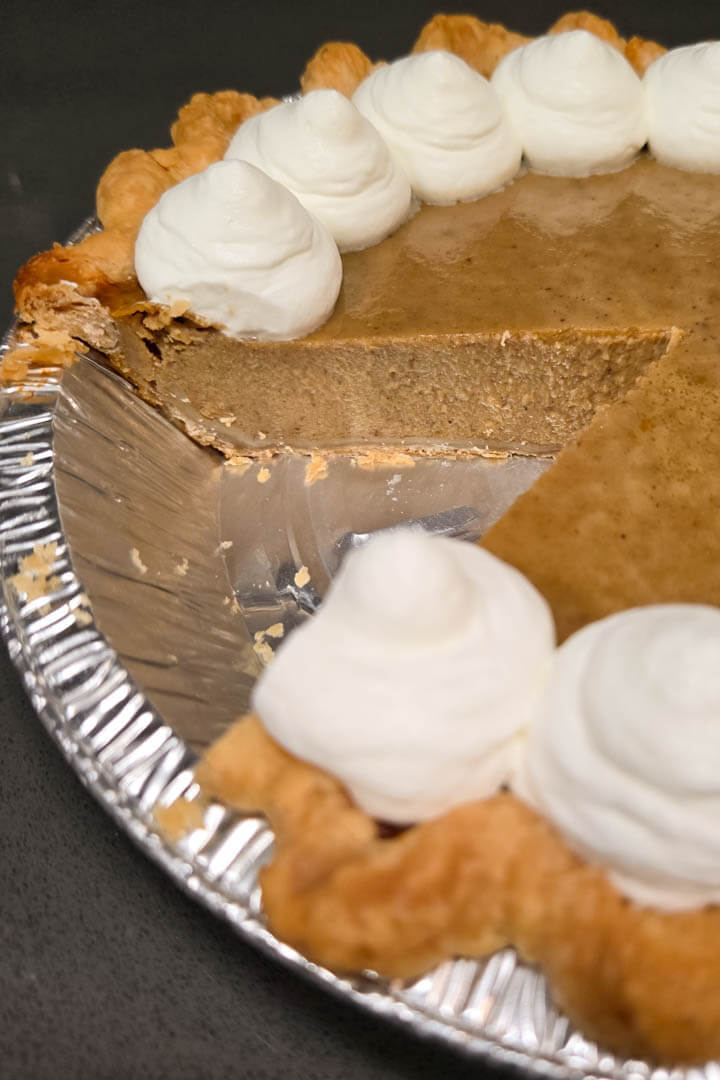
History of Butternut Squash Pie
Butternut squash was first created by Charles Leggett in Massachusetts around 1944. (See below for more on that). Therefore, butternut squash pie couldn’t have existed before 1944! The first published mention I can find for butternut squash pie is in the January 11, 1967 edition of the St. Petersburg Independent. A comedian from New York City they were interviewing, Sam Levenson, mentions his mother’s butternut squash pie offhandedly. The casual mention of the pie would make it seem as though it was a relatively commonplace pie by the 1960s or maybe late 1950s.
The earliest published recipe for butternut squash pie I’ve found appears in the 1967 cookbook Favorite Recipes from Southern Kitchens. Just a few years later, butternut squash pie was common enough it appeared in a 1970 Southern Living cookbook.
While butternut squash pie never became a household favorite quite like pumpkin pie, it’s been baked in American kitchens for decades.
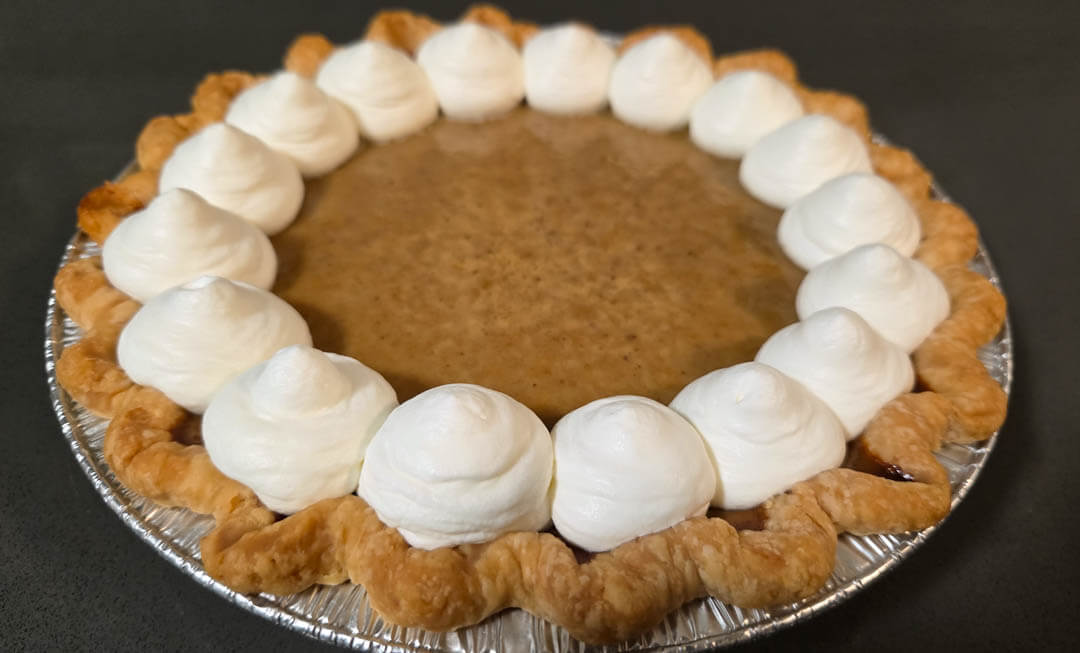
What is Butternut Squash?
Butternut squash is a popular winter squash in the United States that originated in Massachusetts. A cross between a Canadian crookneck squash and a Hubbard squash, it’s easy to recognize by its distinctive shape: a round, bulbous bottom and a long, narrow neck. Butternut squash has thin, light brown skin and bright orange flesh. Its thin skin makes it easier to peel and prepare than many other winter squash varieties.
Butternut squash was first cultivated around 1944 by Charles Leggett in Stow, Massachusetts. Leggett wanted to create a squash that was smaller than a Hubbard squash and easier to prepare. He named his new variety “butternut squash” because he thought it was “smooth as butter and sweet as a nut.” The new squash quickly caught on with farmers in Massachusetts and eventually made its way to New Zealand, where it became known as “butternut pumpkin.”
To read more about the history of butternut squash, check out this Edible Boston article.
What’s the Difference Between Butternut Squash and Pumpkin?
Butternut squash and pumpkin have very similar flavors, but there are a few key differences. Pumpkin tends to have a higher water content and a stringier texture, while butternut squash has a richer flavor and a smoother texture when pureed. Butternut squash is also slightly sweeter, giving it a delicious caramelized flavor when roasted. It generally contains more fiber than pumpkin, too.
When making homemade pies or cooking from scratch, butternut squash can be easier to work with than pumpkin. Its thinner skin is easier to peel, and its smooth flesh is simple to roast and puree at home.
How to Make Butternut Squash Puree
One of the benefits of making butternut squash pie instead of pumpkin pie for my Thanksgiving pie is that I find homemade butternut squash puree a little easier to prepare than pumpkin puree. If you’d prefer to make pumpkin pie completely from scratch, I explain how to make homemade pumpkin puree in my classic pumpkin pie recipe
Unlike the big, orange pumpkins you carve for Halloween, the smaller pie pumpkins used for baking can be harder to find at grocery stores. Butternut squash, on the other hand, is widely available and has a thinner skin, making it easier to cut, roast, and scoop out the flesh.
This butternut squash pie recipe calls for about 2 cups of butternut squash puree. You’ll need at least one big butternut squash, or two medium sized butternut squashes.
Butternut Squash Puree Recipe
Ingredients
- 1 large butternut squash or two medium butternut squashes
- 1T olive oil
1.
Preheat your oven to 375ºF (190ºC).
2.
Cut your butternut squash in half vertically and scoop out the seeds.
3.
Brush the exposed squash with olive oil.
4.
Place the squash, skin side down, on a baking sheet lined with tin foil or parchment paper.
5.
Bake for 45 minutes to 1 hour, or until you can easily pierce the flesh with a fork.
6.
Remove the squash from the oven and let cool for at least 15 minutes.
7.
Scoop the flesh out with a spoon, and puree in a food processor or blender until smooth.
Step-by-Step Butternut Squash Pie Recipe
Crust
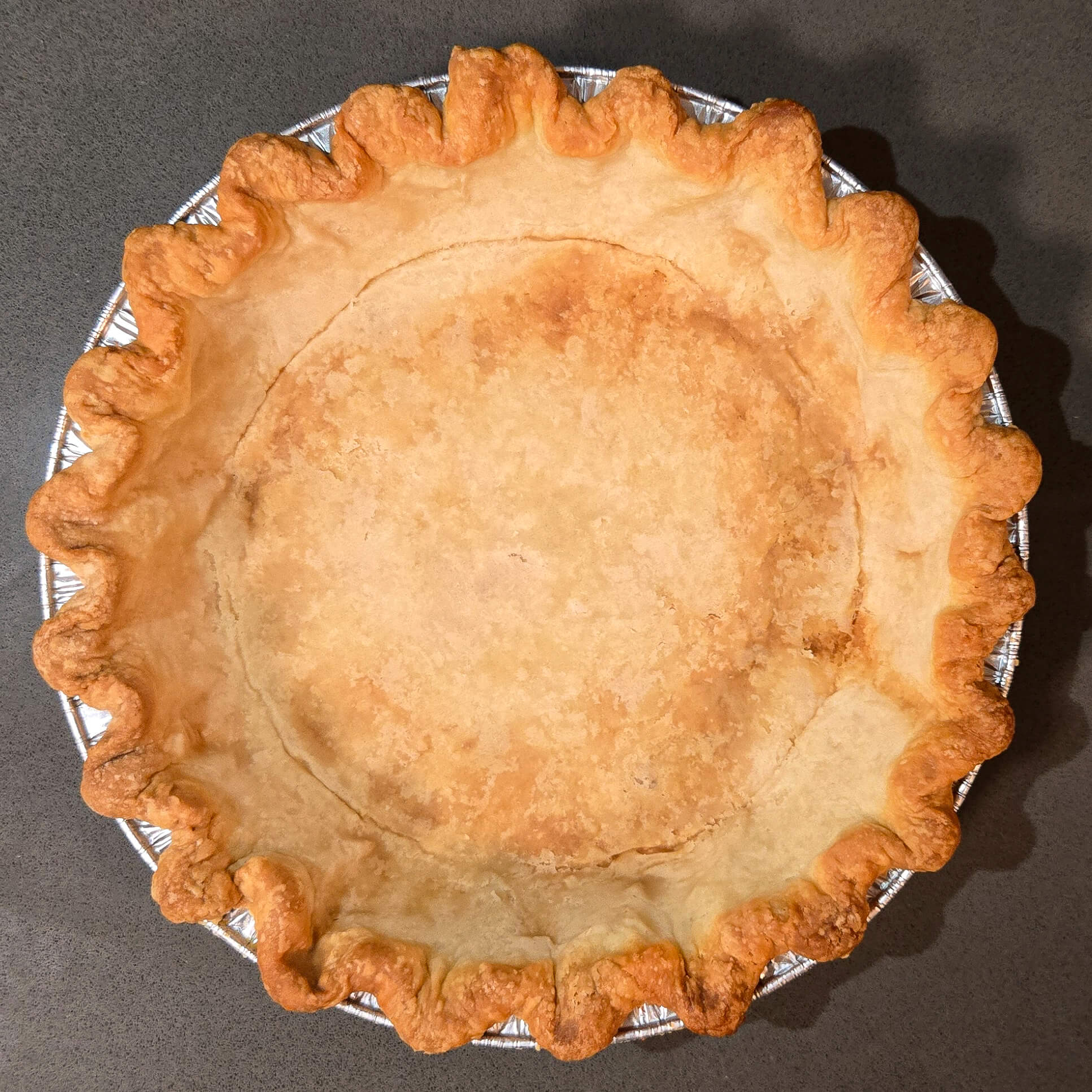
Butternut squash pie can be made in a wide variety of crusts. A dark blind baked flaky, all-butter pie crust is the classic choice. However, it can also be made in any number of crumb crusts such as graham cracker crust or use a gingersnap pie crust if you want to give it an extra spicy, festive twist.
Homemade Butternut Squash Pie Filling Recipe
Ingredients
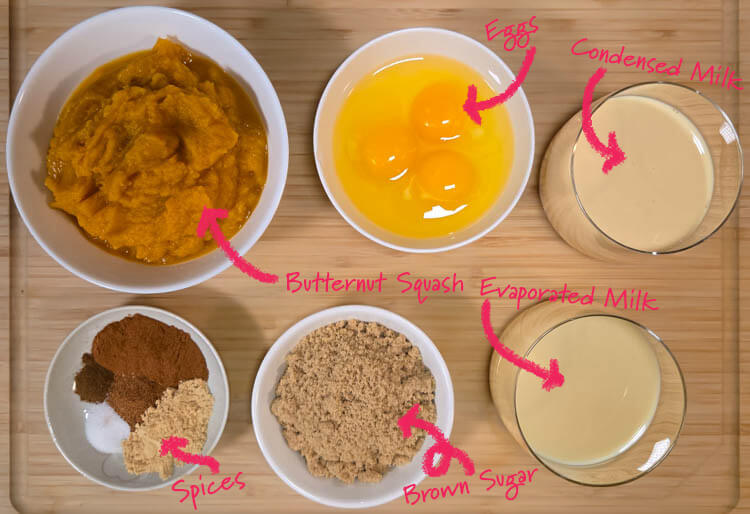
- ~2c Butternut Squash Puree (480g)
- 7.5oz Sweetened Condensed Milk
- 6oz Evaporated Milk
- 6T Brown Sugar (75g)
- 3 Eggs
- 1T Cinnamon
- 2t Ginger
- ½t Nutmeg
- ¼t Cloves
- ¼t Salt
1.
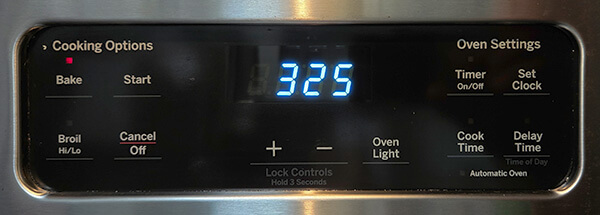
Preheat your oven to 325°F (160°C).
2.
In a large mixing bowl, whisk together the brown sugar, spices (cinnamon, ginger, nutmeg, cloves, and salt), condensed milk, and pumpkin puree. Mixing the spices in with the sugar and thick ingredients first helps keep them from clumping.
3.
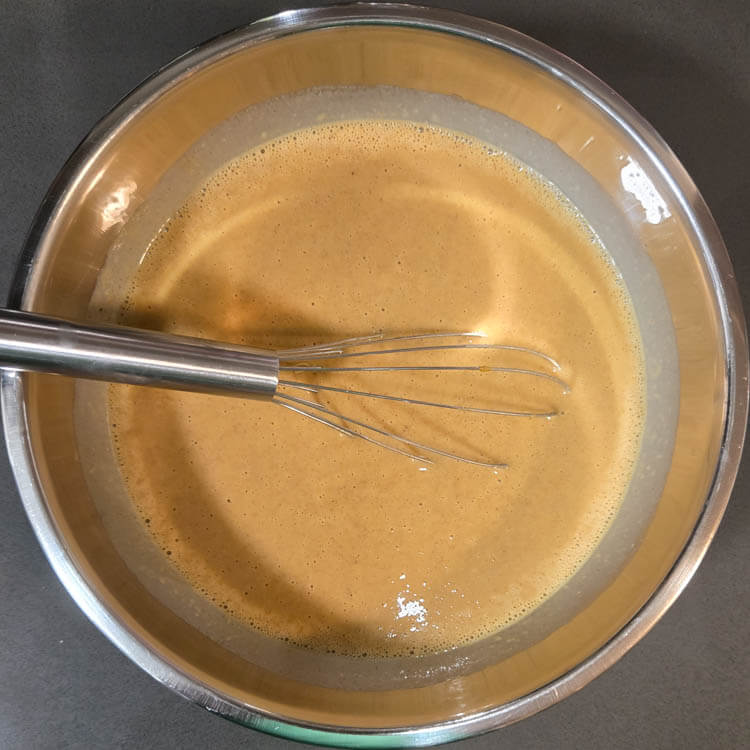
Whisk in the eggs until they’re fully combined, and then whisk in the evaporated milk.
4.
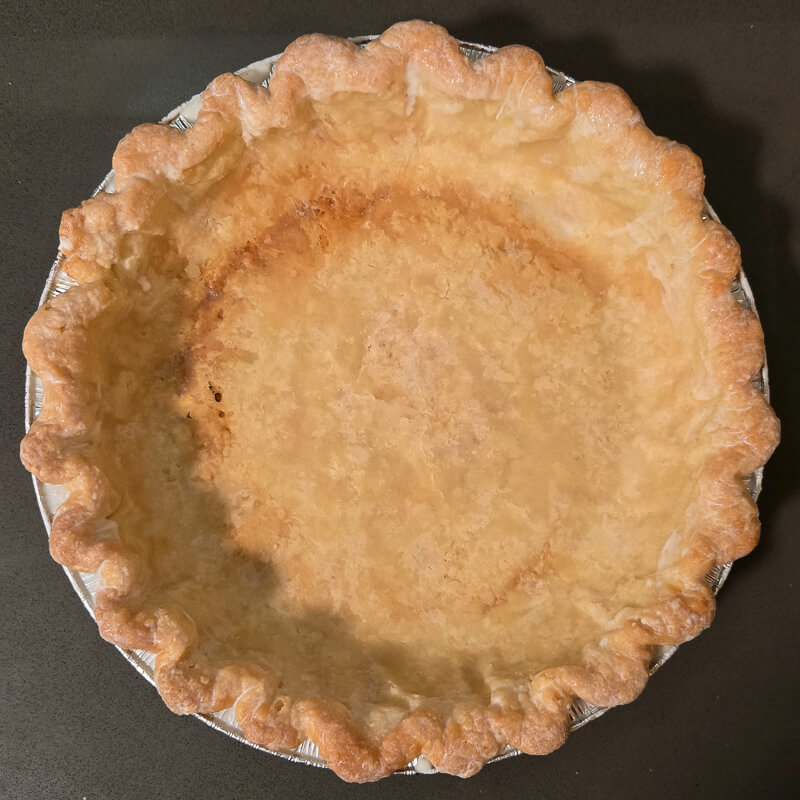
(Optional) Brush the edges of your dark, blind-baked pie crust with heavy whipping cream. This will give the crust a deeper, more golden brown color after it finishes baking.
5.
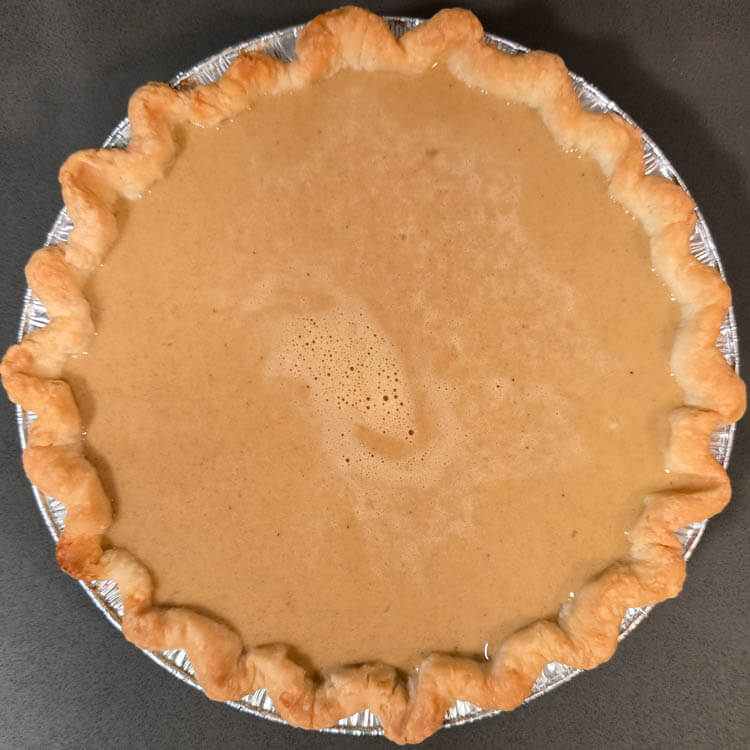
Slowly pour the butternut squash pie filling into the pie crust, filling it right up to the top edge, just before it starts to overflow. Pour slowly and evenly, and pop any large bubbles with a toothpick or fork.
6.
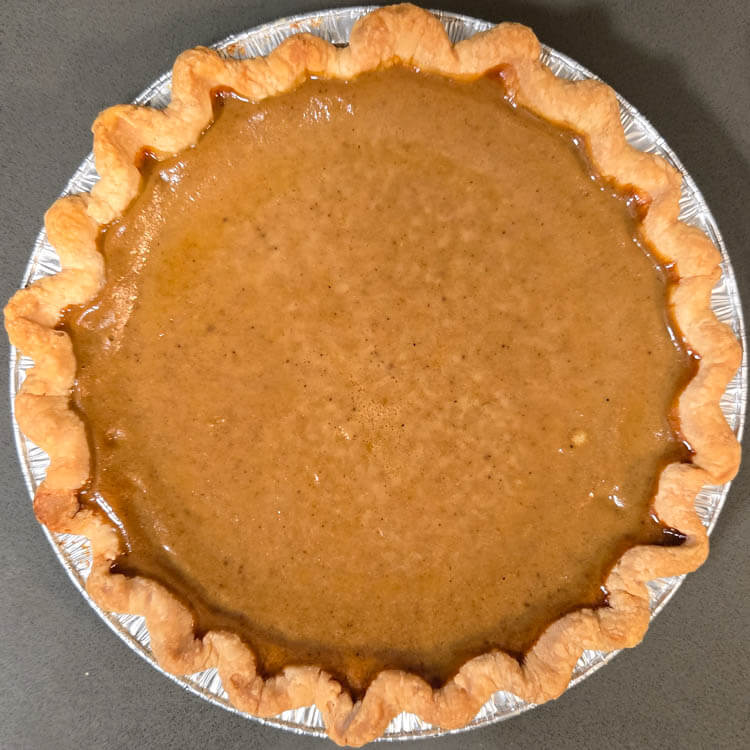
Bake the pie for 50 minutes, until the edges have started to puff and set, and the center still has a very slight jiggle.
7.
Let the pie cool at room temperature for 30 minutes, and then transfer to the refrigerator to finish setting for at least 2 hours. Top with whipped cream if desired.
Pies like Pumpkin Pie That Aren’t Made with Pumpkin
Butternut squash pie falls into a family of custard pies that are very similar to pumpkin pie, but not made with pumpkin puree. Here are a few other similar pies.
- Sweet Potato Pie: Sweet potato pie is a delicious Southern pie made with sweet potato puree instead of pumpkin puree. It’s denser and usually less spiced than pumpkin pie since sweet potatoes are more flavorful than pumpkins.
- Bean Pie: Made popular by the Nation of Islam, navy bean pie is a custard pie made with mashed navy beans rather than pumpkin puree.
- Carrot Pie: A Desperation pie for when pumpkins are hard to come by. Made with blended carrot puree instead of pumpkin puree.
- Hubbard Squash Pie: Butternut squash is actually a cross between a Hubbard squash and a crookneck squash. Hubbard squash pie is a niche pie that you’ll occasionally find in New England.
- Cushaw Pie: A traditional Southern or Appalachian dessert, this pie is made with cushaw squash puree.
How to Prevent Cracks in Butternut Squash Pie
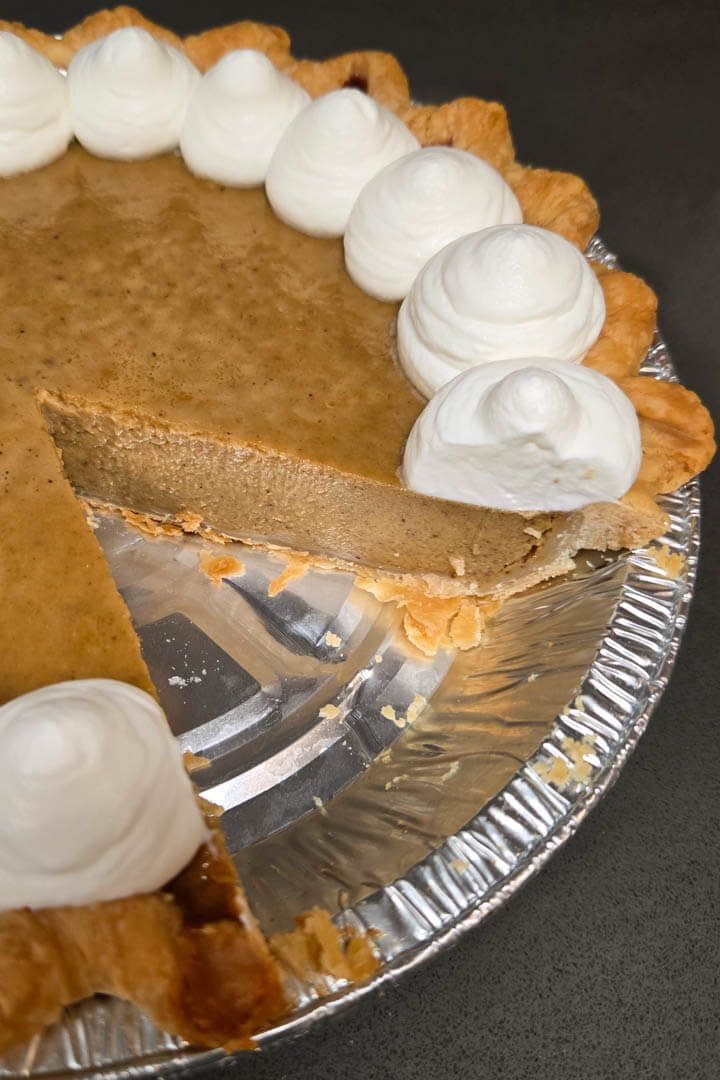
Have you ever baked a pumpkin pie that looked perfect when it came out of the oven, only to return a few hours later to find a giant crack running down the center? The same thing can happen to butternut squash pie too.
Cracks in butternut squash pie filling are a common problem and happen when the custard filling contracts as it cools. To prevent them from happening and keep your pie looking smooth, remove the pie from the oven just before you think it’s done. The filling should not be quite set in the center when you pull the pie out of the oven.
To be precise, you can use a thermometer. The center of the pie should be 175°F when it’s ready to pull out of the oven. Just keep in mind that this will leave behind a small hole in your pie where the thermometer was inserted.
Another cause of cracks in butternut squash pie filling is cooling the pie too quickly. Resist the temptation to move the pie straight from the oven to the refrigerator. Instead, let it cool slowly on your countertop for about 30 minutes until it reaches room temperature, then transfer it to the fridge if desired.
How to Store Butternut Squash Pie
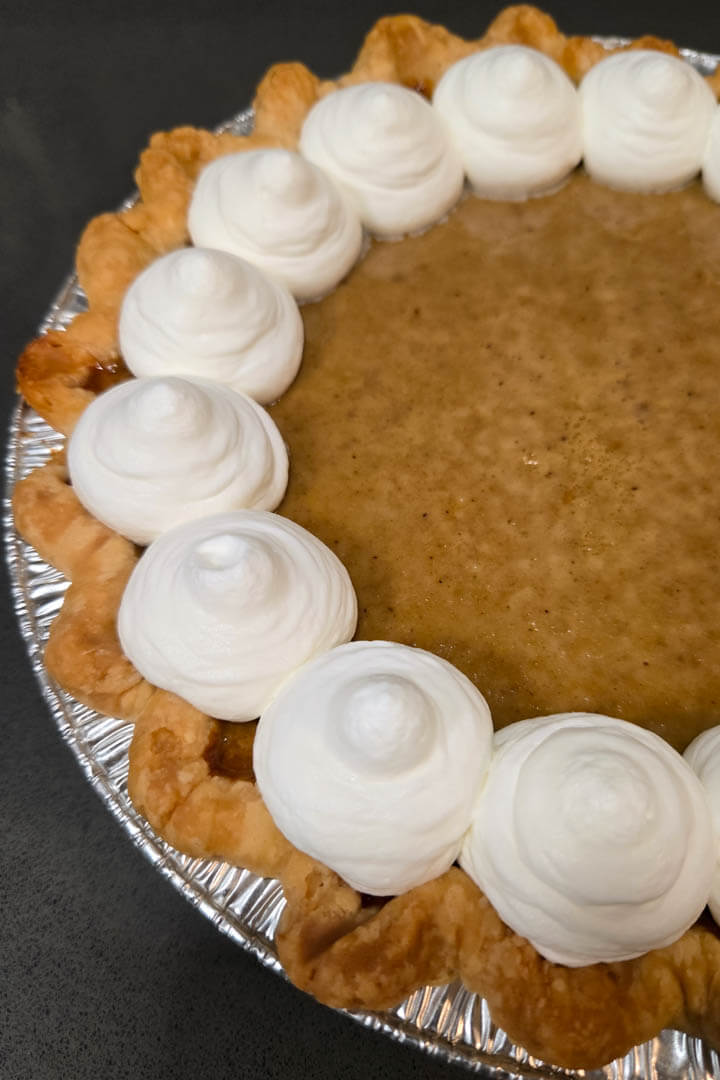
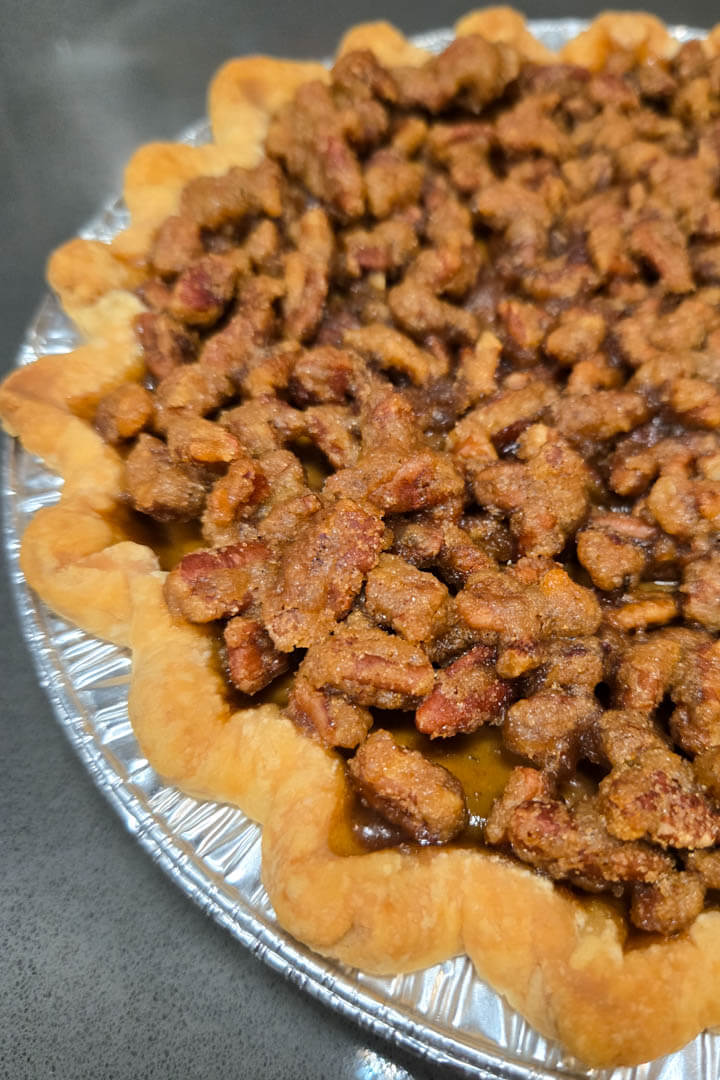
Butternut squash pie should always be refrigerated after baking. Once cooled, cover the pie with plastic wrap and store it in the refrigerator for 2-3 days. Although butternut squash pie keeps for a few days longer, the pralines will start to lose their crunch and may start weeping after the first day or two.
For the best texture reheat the pie in a 350°F (175°C) oven for about 10 minutes before serving. This retoasts the praline, and makes the pie taste almost as good as freshly baked.
We’d love to see your butternut squash pie creations! If you give this recipe a try, tag @doggone_baking on social media so we can share in the baking fun.
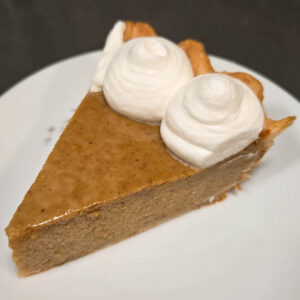
Butternut Squash Pie
Ingredients
Crust
- 1 Dark, Blind-Baked Pie Shell
- 2 tbsp Heavy Whipping Cream (optional)
Pumpkin Pie Filling
- ~2 cups Butternut Squash Puree (~480g)
- 6 tbsp Brown Sugar (75g)
- 3 Eggs
- ⅔ cup Sweetened Condensed Milk (160mL)
- ¾ cup Evaporated Milk (178mL)
- 1 tbsp Cinnamon ground
- 2 tsp Ginger ground
- ½ tsp Nutmeg ground
- ¼ tsp Cloves ground
- ¼ tsp Salt
Instructions
- Before beginning to make this pie, prepare a dark, blind-baked pie crust. Almost any other crust of your choosing can be used as well. Instructions for an all-butter crust can be found here.
- Preheat the oven to 325℉
- In a large mixing bowl, whisk together the brown sugar, spices (cinnamon, ginger, nutmeg, cloves, and salt), condensed milk, and pumpkin puree. Mixing the spices in with the sugar and thick ingredients first helps keep them from clumping.
- Whisk in the eggs until they’re fully combined, and then whisk in the evaporated milk.
- (Optional) Brush the edges of your dark, blind-baked pie crust with heavy whipping cream. This will give the crust a deeper, more golden brown color after it finishes baking.
- Slowly pour the butternut squash pie filling into the pie crust, filling it right up to the top edge, just before it starts to overflow. Pour slowly and evenly, and pop any large bubbles with a toothpick or fork.
- Bake the pie for 50 minutes, until the edges have started to puff and set, and the center still has a very slight jiggle.
- Let the pie cool at room temperature for 30 minutes, and then transfer to the refrigerator to finish setting for at least 2 hours. Top with whipped cream if desired.


About Me
In 2016, I left my office job and became a professional baker. These days I spend my days testing recipes and baking pies while my two dogs snooze happily nearby.
Leave a Reply