
This post may contain affiliate links. Please read my disclosure policy.
All recipes on Doggone Baking are intended for humans — the dogs are just our enthusiastic photo assistants and taste-test spectators.
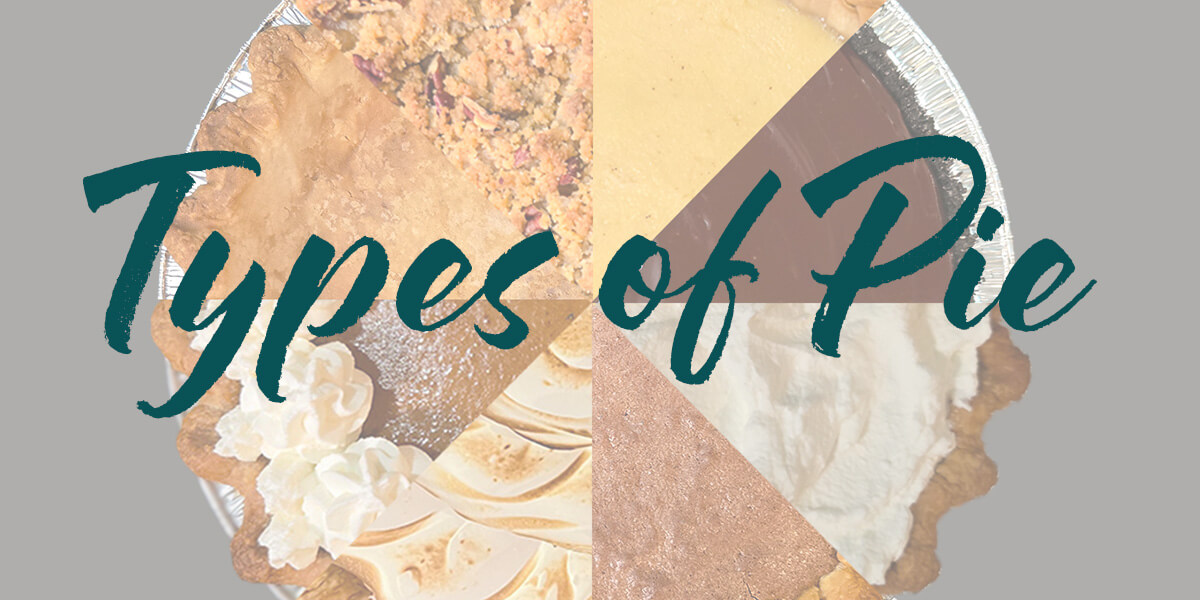
What Are the Different Types of Pie? 19 Types of Pie Explained
Most pies fall into recognizable categories defined by their filling or crust. From fruit pies and custard pies to vintage recipes that have nearly vanished, each type has its own story, structure, and traditions. This guide breaks down the major categories so you can see how your favorite pies fit in, and maybe discover a few new ones along the way.

Angel Pies
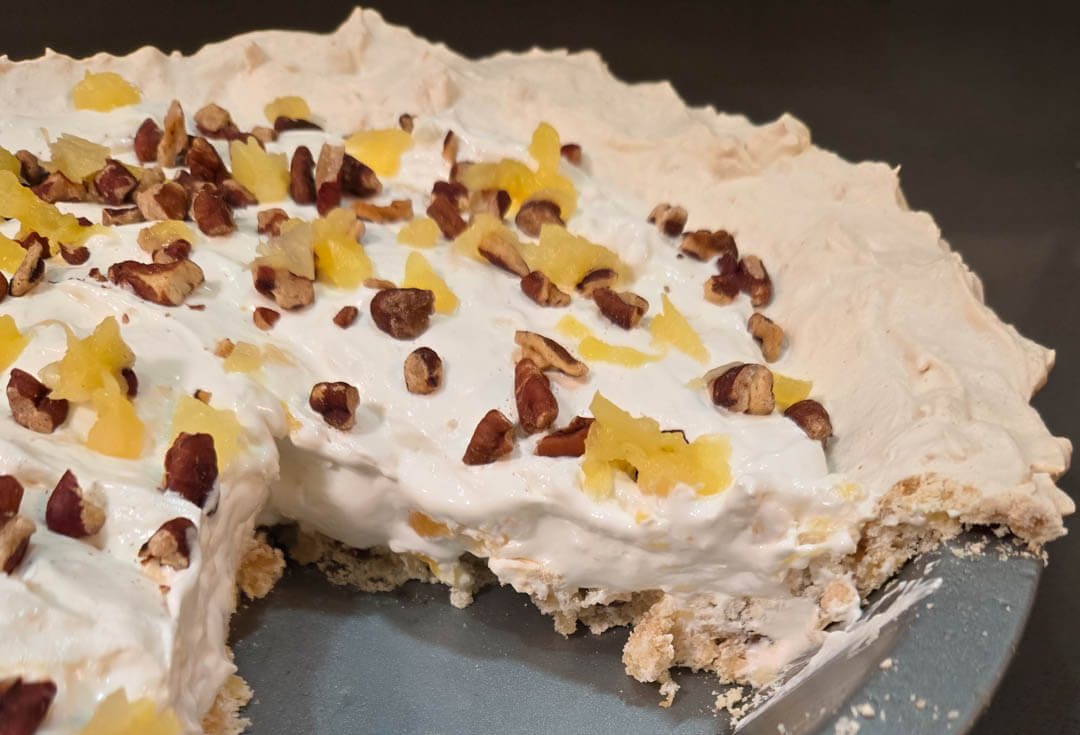
Angel pies had their heyday in the 1950s and 1960s, but have since declined in popularity and are rarely seen today. Their defining feature is a crust made from a sweet, airy, and crisp baked meringue. These pies are typically filled with a light, mousse-like custard or cream. The most popular or classic angel pie is lemon angel pie, while the regional Company’s Comin’ Pie from the Cliff House Inn in Arkansas is an example of a regional variation similar to Southern soda cracker pie.
Cheesecake Pies
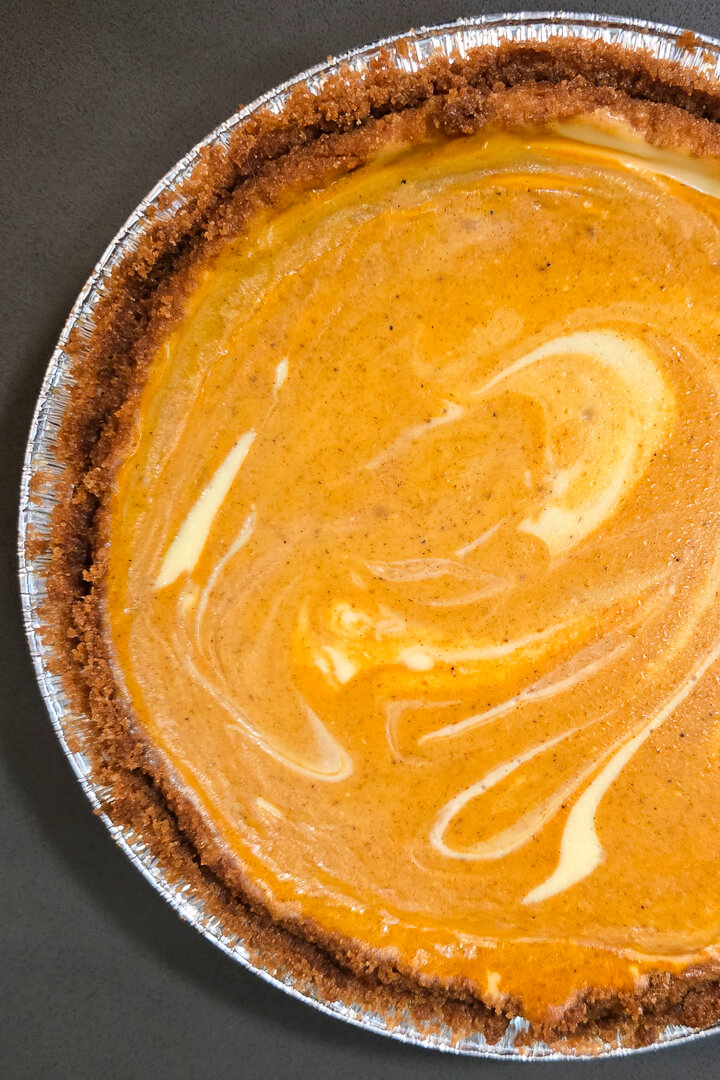
Cheesecakes are usually baked in a springform pan with a graham cracker crust or another type of crumb crust on the bottom. It’s easy and common to make pie variations, with the crumb crust going up the sides of the pie. Cheesecake pies generally don’t require extra equipment like springform pans, and being shallower, can get away without a water bath. Pumpkin cheesecake pies are especially popular around the holidays.
Chiffon Pies
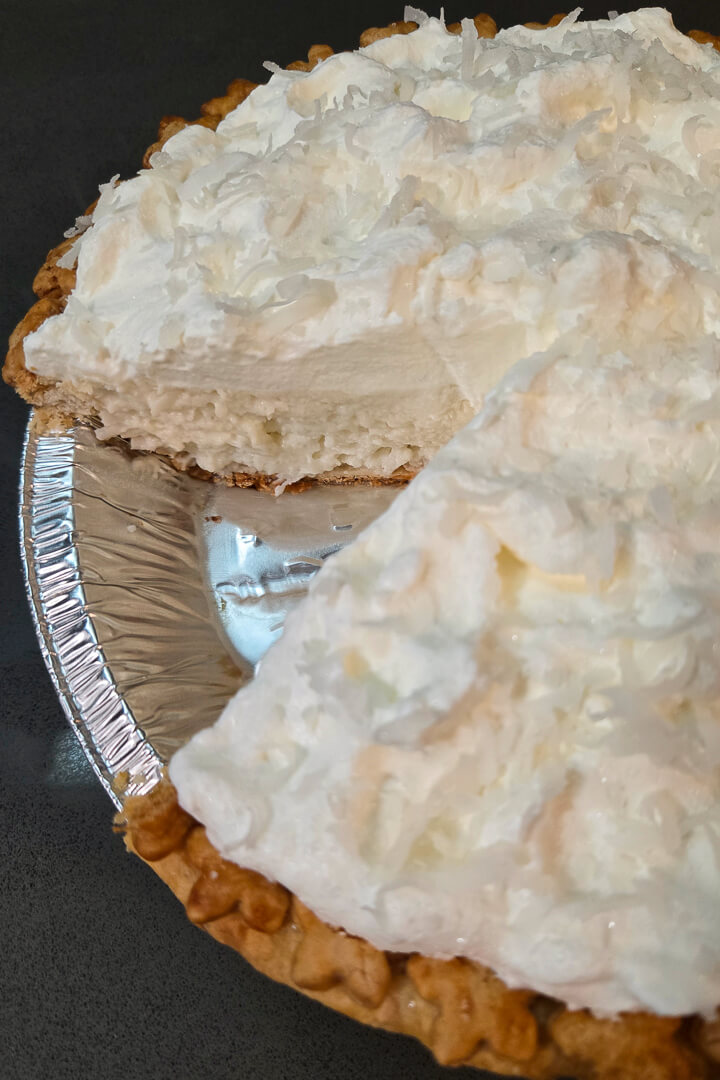
Chiffon pies are wonderfully light, fluffy, and rich. Lemon chiffon is the classic example, but there are many variations, including chocolate chiffon and pumpkin chiffon. What sets a chiffon pie apart from a mousse pie is that meringue is folded into a pastry cream or curd instead of whipped cream. Chiffon pies were extremely popular in the first half of the 20th century but dropped off in popularity because most recipes relied on folding in a French meringue made with raw egg whites. Modern recipes often use Swiss meringue instead, which cooks the egg whites to a food-safe temperature.
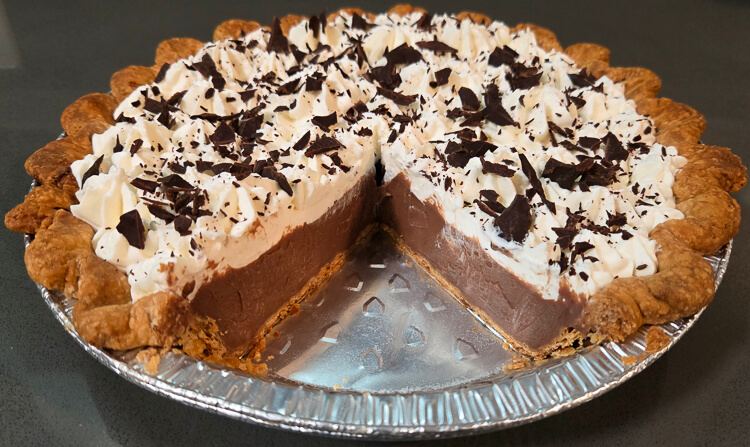
Cream Pies
Cream pies are popular year-round and remain one of the most common pie categories. Classic examples include chocolate cream pie, banana cream pie, and coconut cream pie. They are often served in all sorts of crusts, though all-butter crust is the traditional choice. By definition, cream pies are made with a pastry cream filling and usually topped with whipped cream, but countless variations exist thanks to the enduring popularity of this style. Old-fashioned cream pies were more traditionally topped with a toasted meringue, like this chocolate meringue pie recipe.
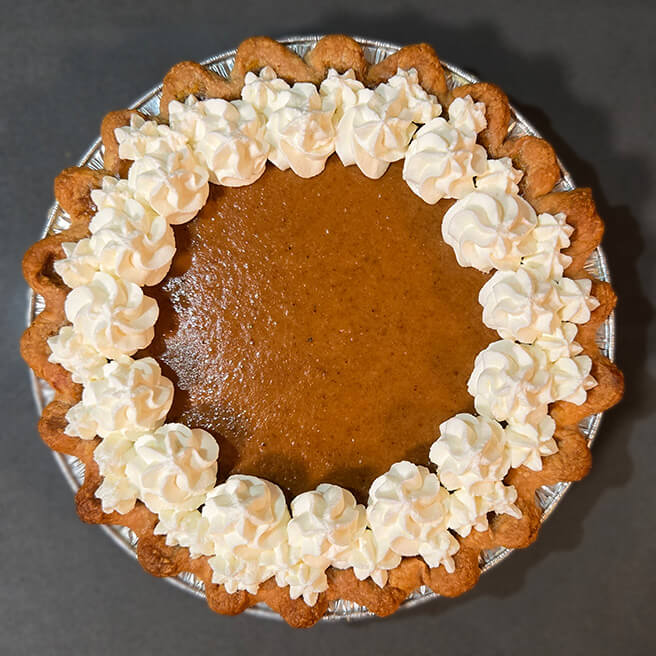
Custard Pies
Custard pies are creamy and rich and often served chilled. They’re similar to cream pies in some ways, but the filling is always a baked custard rather than a pudding or pastry cream cooked on the stovetop. Custard pies are one of the largest and most popular category of pies and the ever-popular pumpkin pie falls here, along with regional favorites such as sugar cream pie or more unusual pies like Bob Andy pie.
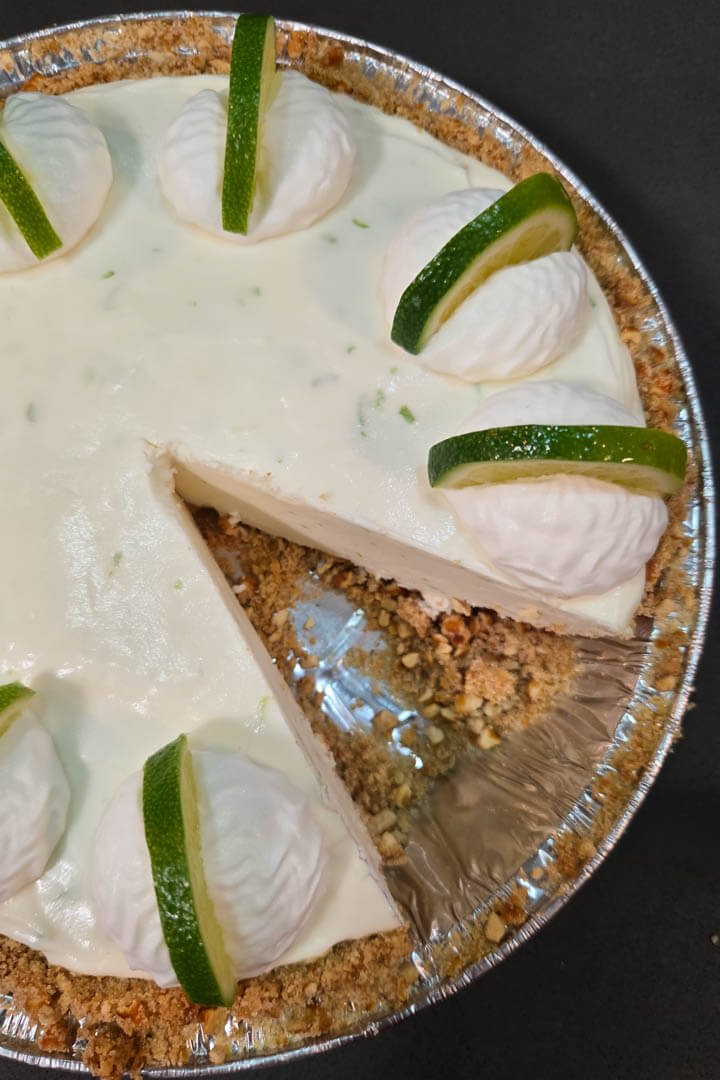
Frozen Pies
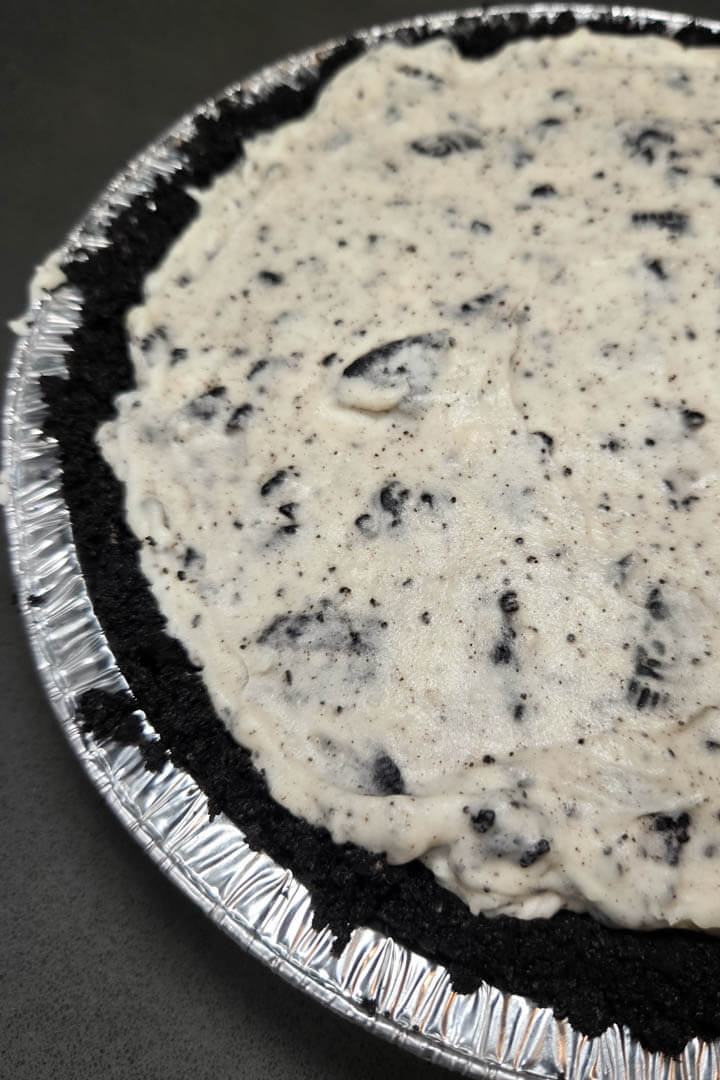
Frozen pies are just what they sound like: pies served straight from the freezer. They most often have ice cream as the filling or as part of the filling. These are sometimes called “ice cream pies,” but I use the term frozen pies to cover a slightly broader range, including pies that are stored in the freezer and served frozen even when they aren’t made with ice cream, like frozen key lime pie. Popular frozen pies include frozen lemonade pie or frozen margarita pie which is made in a pretzel crust.
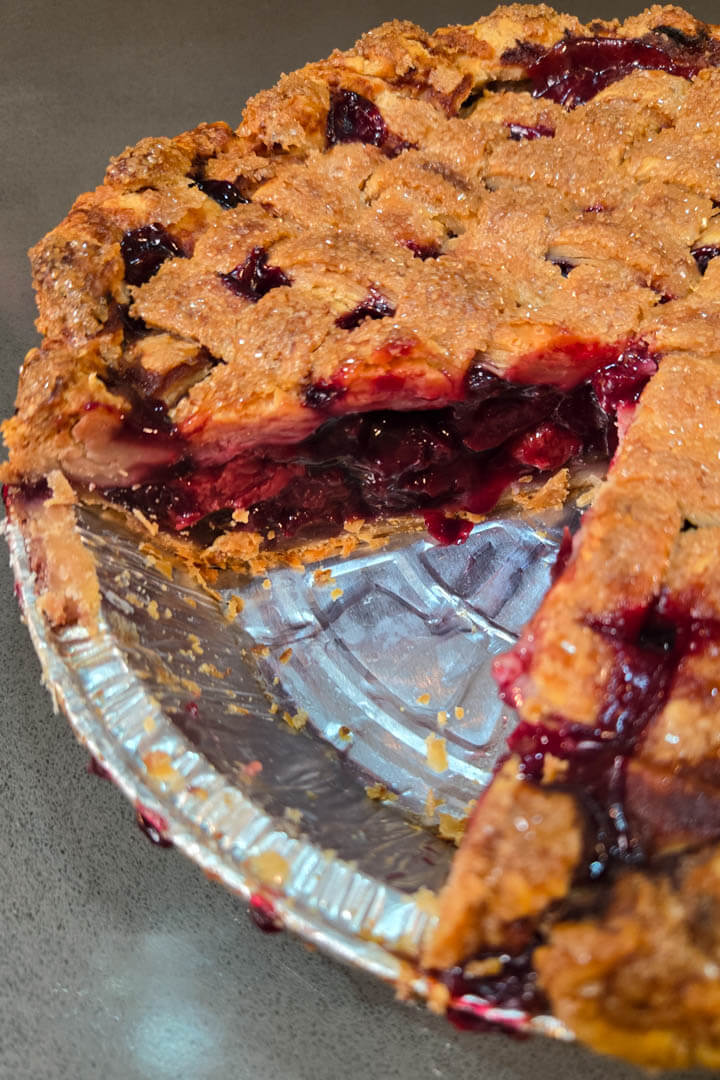
Fruit Pies
Fruit pies are one of the largest and most iconic categories of pie. Their fillings are made with fruit, often cut into chunks like in a classic apple pie or an apple crumble pie. They are most often double-crusted or topped with a crumb topping. Alongside apple pie, blueberry pie, rhubarb pie, cherry pie, and peach pie are just a few popular examples. Nearly every fruit has found its way into a pie at some point. When most people picture a pie, chances are it’s a fruit pie that comes to mind.
Hand Pies & Turnovers
Hand pies and turnovers turn a large pie meant for sharing into small, individual servings. They can be sweet or savory, from apple hand pies to hearty Yooper pasties. Around Halloween, hand pies are especially popular since they can be shaped into spooky designs, with cherry pie filling giving them a dramatic, bloody look. Fried pies, a Southern favorite, also fall into this category.
Icebox Pies
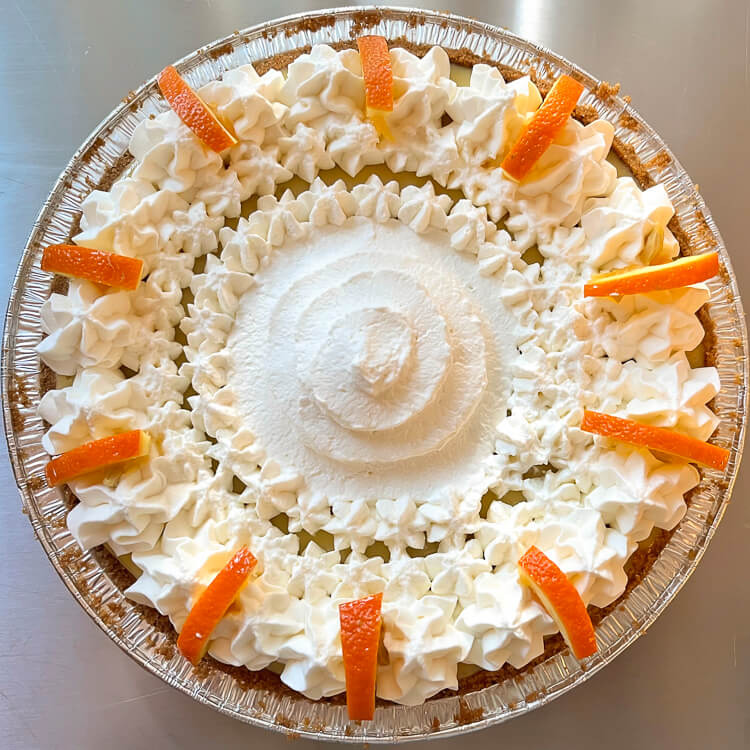
All icebox pies are a category that first became popular in the mid-20th century, when refrigerators were becoming common in American homes. They’re pies that are chilled and served cool. They were often served as a refreshing summer dessert, usually with a fruit-flavored filling that was dense, creamy, and chilled until set. Key lime pie is the most enduring and popular icebox pie. More unusual pies that are regional variations include sour orange pie from Florida and Atlantic Beach pie from North Carolina.
Impossible Pies
Impossible pies had a small burst of popularity in the 1970s thanks to a major marketing campaign by Bisquick. Most versions call for Bisquick in the batter, and no separate crust is prepared. During baking, the pie naturally separates into layers, forming a denser “crust” around the edges and a softer, custard-like center.
Meringue Pies
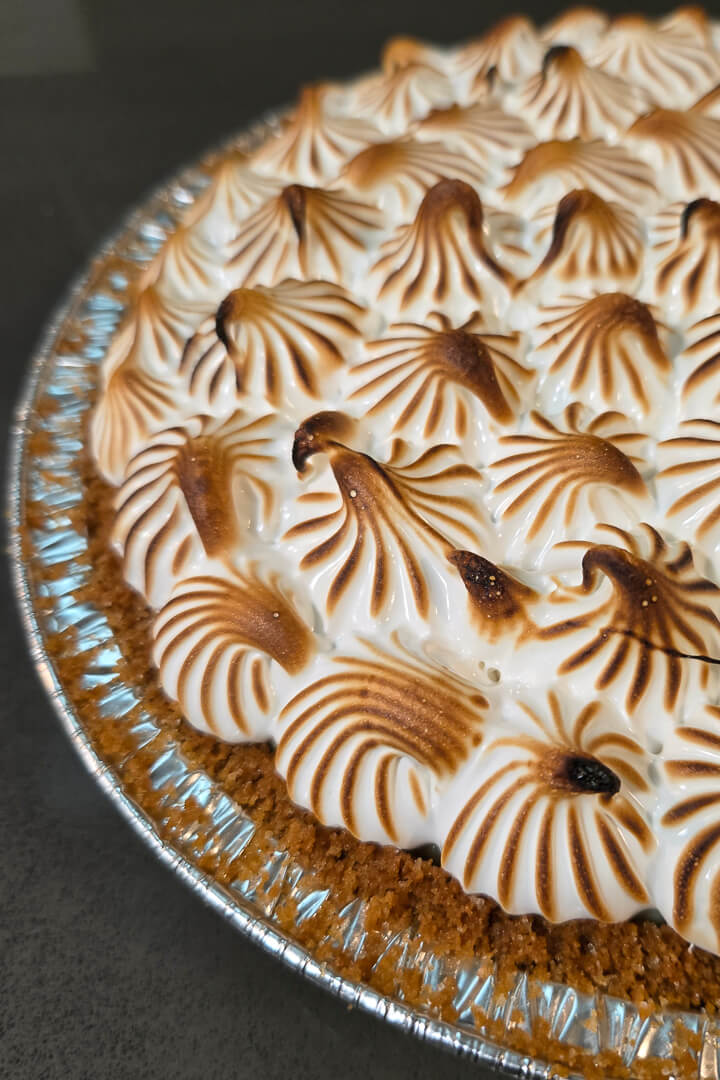
Meringue pies are another well-known category, with all sorts of fillings but always topped with a light, toasted meringue. The perennial favorite in this category is lemon meringue pie, but many others exist, such as apple meringue pie and chocolate meringue pie. A nearly forgotten Canadian pie called flapper pie is also a meringue pie. While still popular today, meringue pies were especially common in the past when refrigerators weren’t as reliable and bakers needed a way to use the egg whites left over from fillings that called for only yolks, as is often the case with cream pies.
Misfit Pies
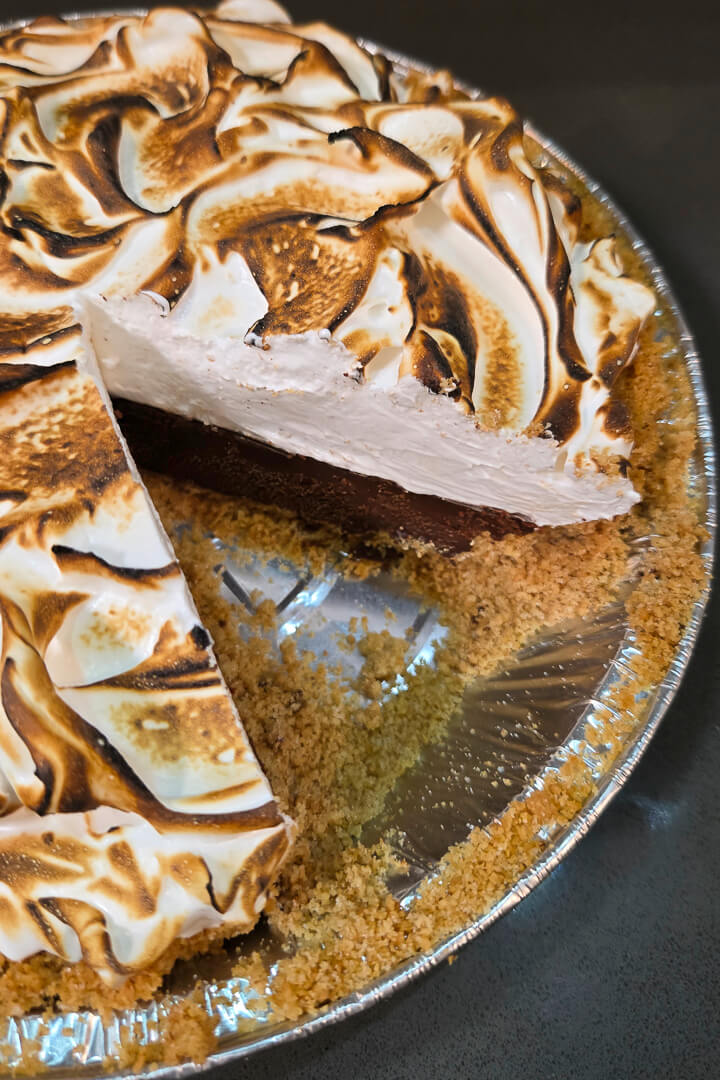
“Misfit Pies” isn’t a traditional category, but rather what I’m using for pies that don’t fit into the usual classifications. They’re the odd slice out, so to speak, and include pies like brownie pie and s’mores pie, or pies that are actually cakes like Boston Cream Pie and Nantucket Cranberry Pie.
Mousse Pies
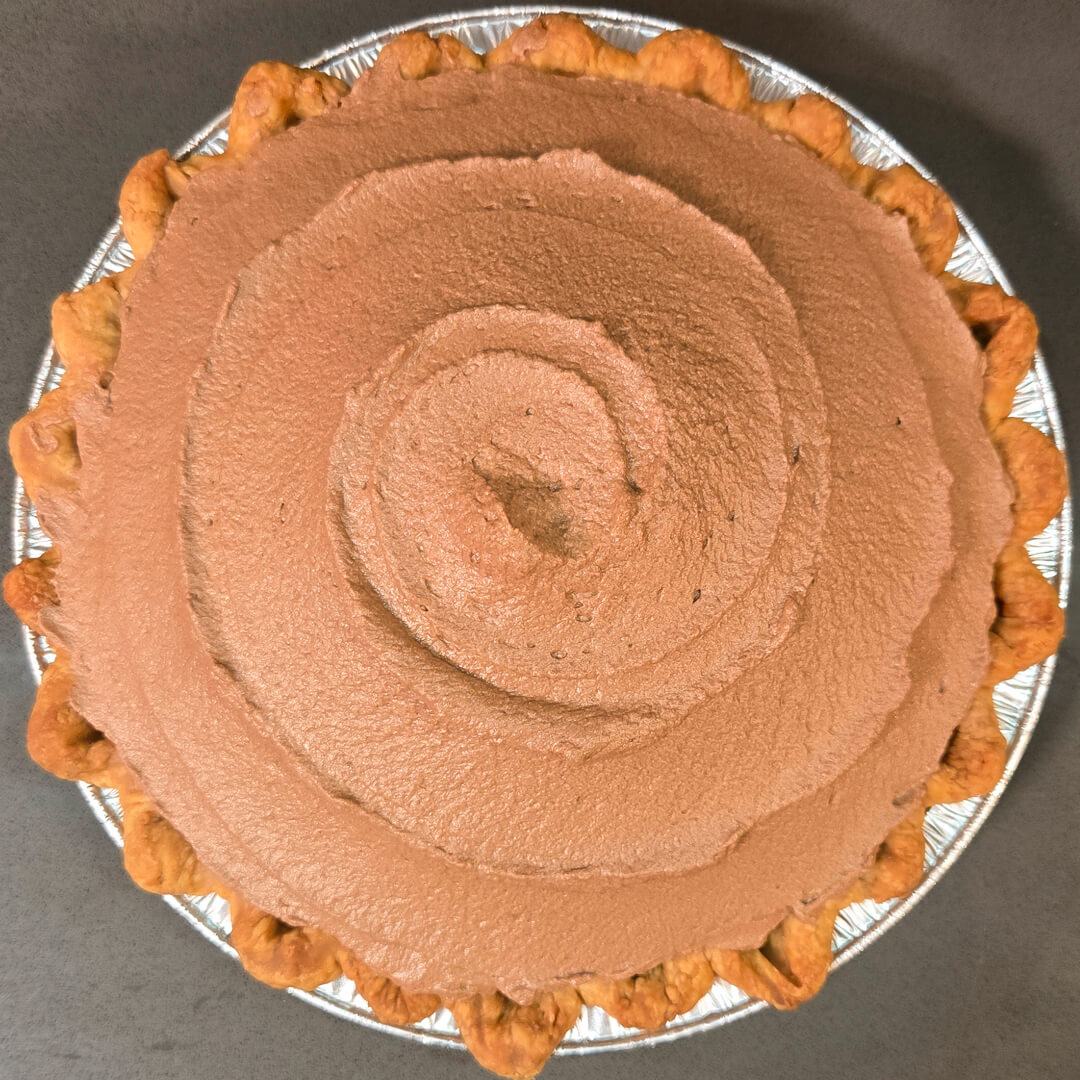
Mousse pies are just what they sound like: pies with a mousse filling. They’re very similar to chiffon pies, but are made with a recipe that’s more like a traditional mousse. Chiffon pies also usually use some gelatin to set the filling. Mousse pies have fillings that are a bit creamier. French silk pie is by far the most popular example in this category and is sometimes also called chocolate mousse pie.
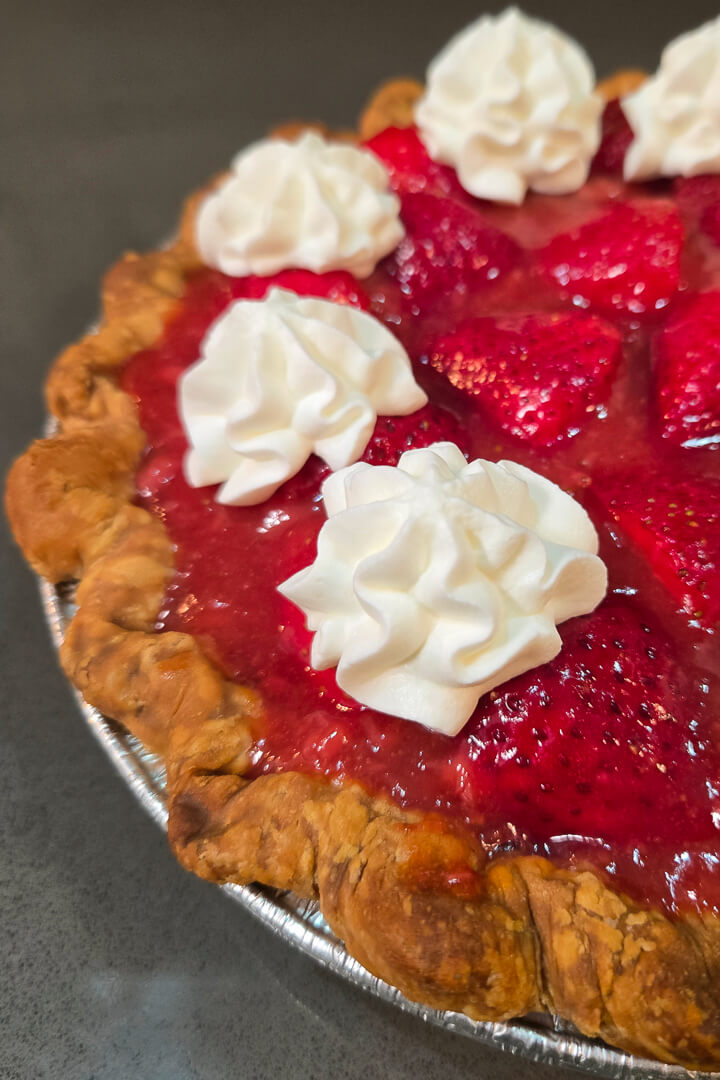
No-Bake Pies
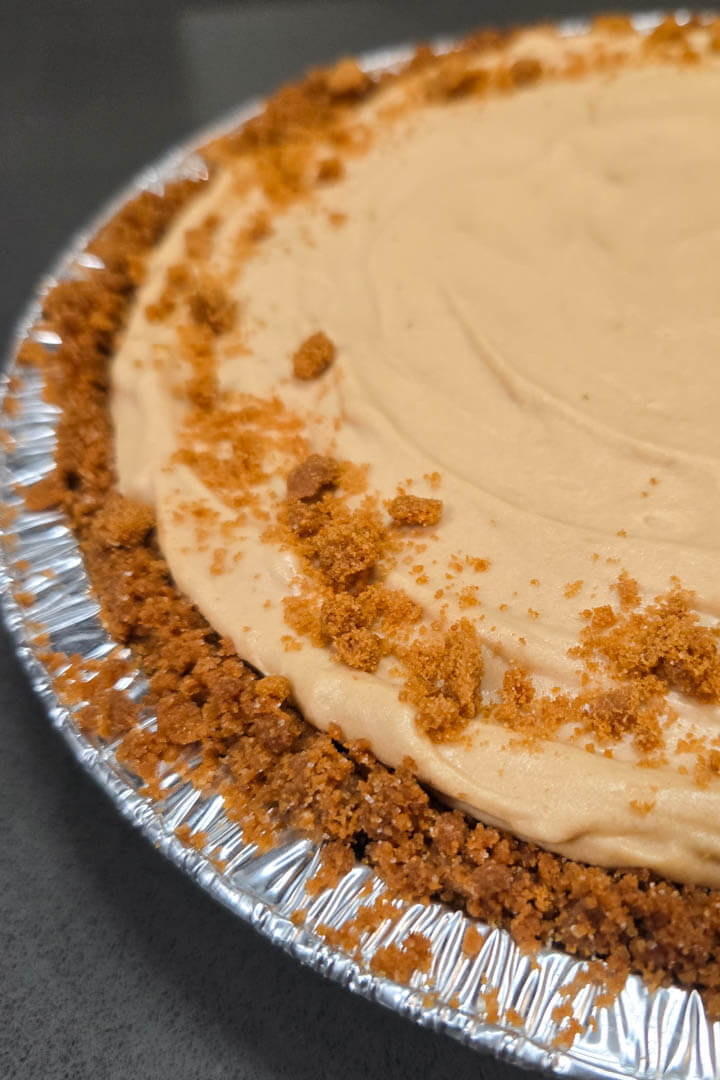
No-bake pies are made with fillings that don’t require baking. In most cases, the filling isn’t cooked on the stovetop either. Often these pies use no-bake cheesecake-style fillings that set when chilled like peanut butter pie. Frozen pies are also an example of no bake pies and usually fall into both categories. Fresh strawberry pie, and some other old-fashioned recipes like millionaire pie are also no-bake desserts. The category features a wide variety of different styles of pies, all with one thing in common: there’s no oven involved.
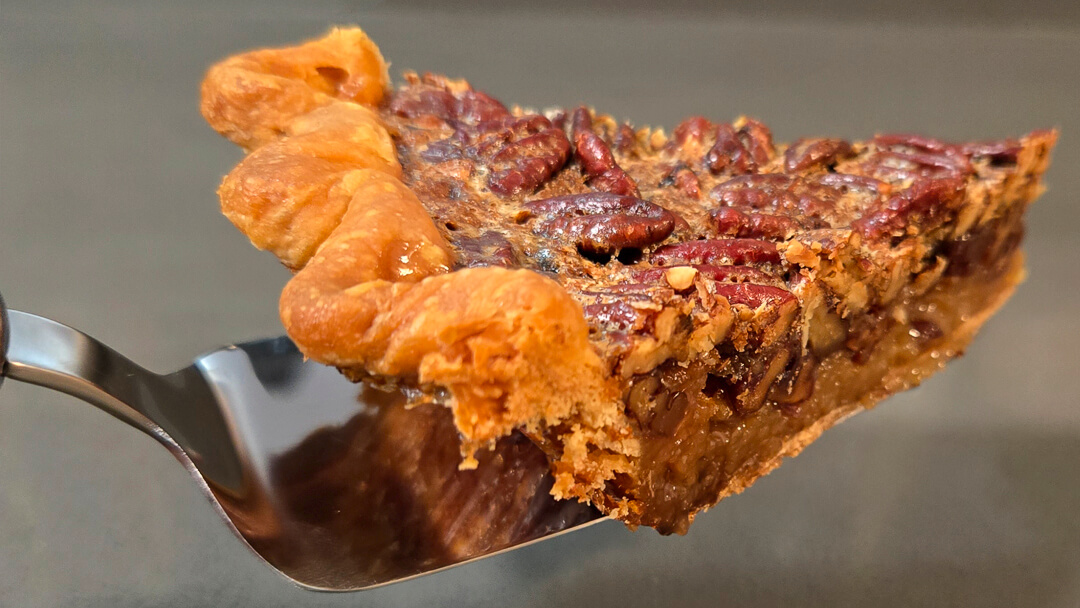
Nut Pies
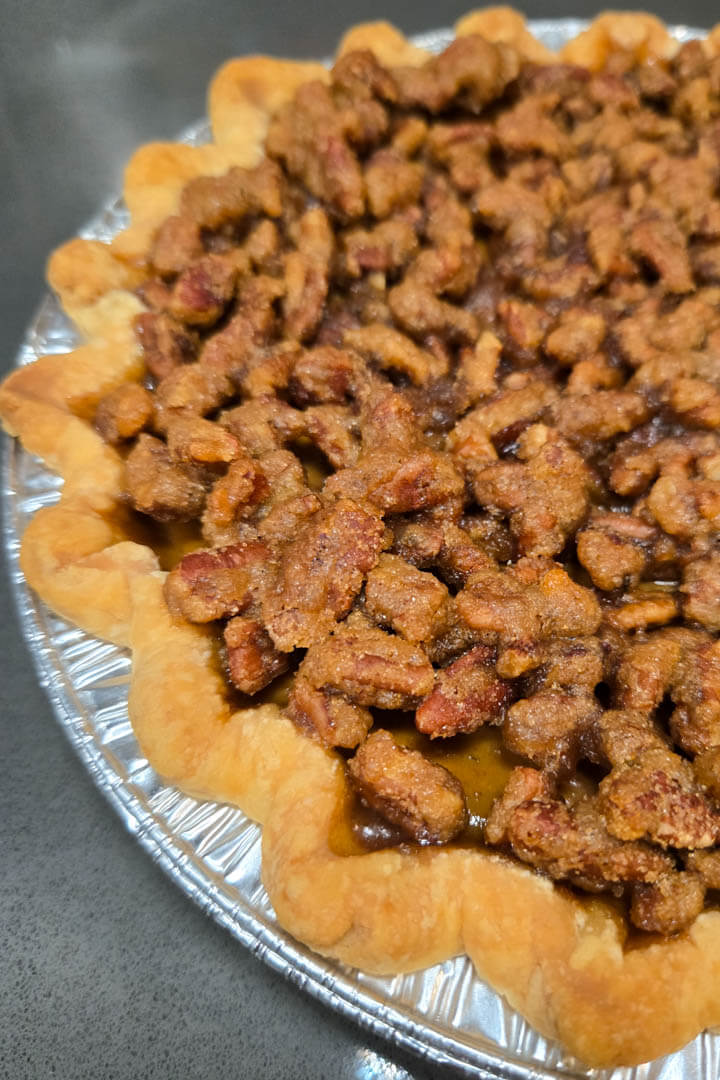
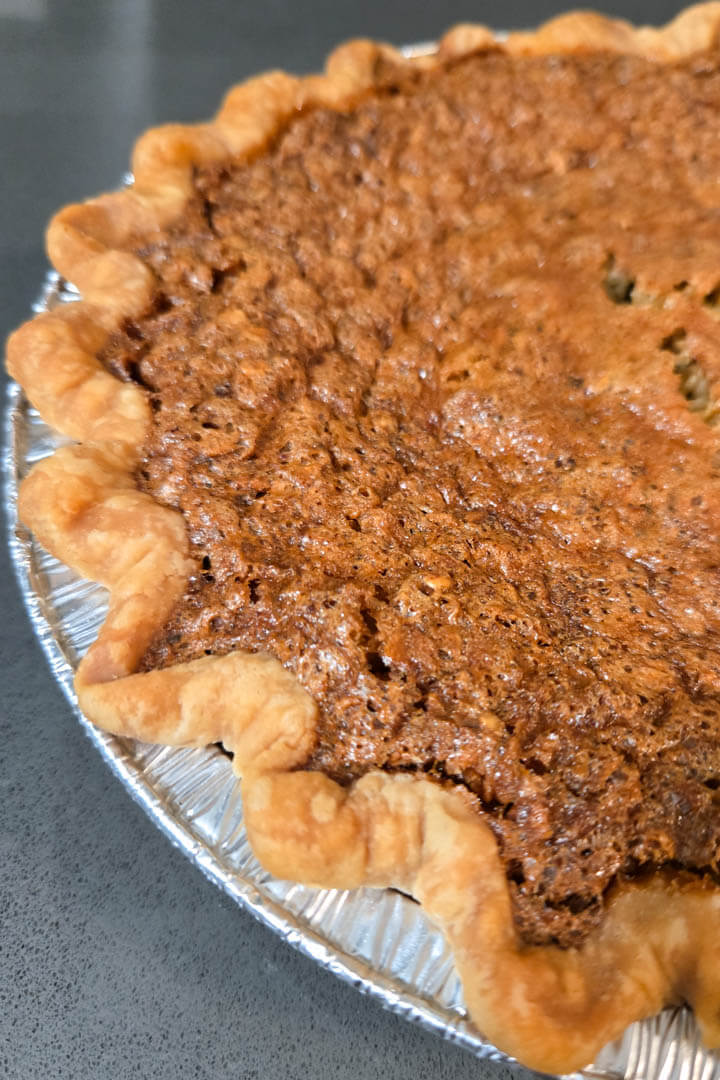
Nut pies are another very large and popular category of pies. Pecan pies and all of their variations fall in this category, in addition to lesser known pies like peanut pie. These pies are usually an extremely sweet custard-like base with nuts suspended in the filling. Nut pies are especially common around the holidays as a Thanksgiving or Christmas dessert. These pies are generally more associated with the American South, but are enjoyed all around the US.
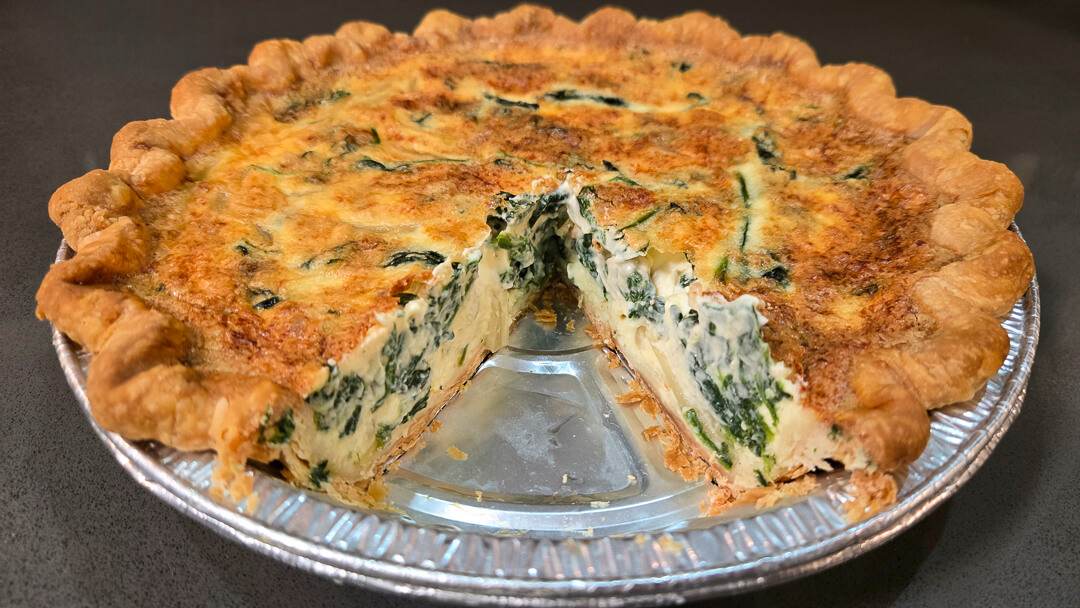
Quiches
Quiches are technically savory egg custard pies. However, there are so many variations they deserve a category unto themselves. Plus, when people think of custard pies, they usually don’t think of quiches. The “original” quiche is a quiche Lorraine, which is now generally thought of as a bacon, onion, and cheese quiche. However, you can find an almost endless variety of quiche recipes, from classics like mushroom quiche and spinach quiche, to more unusual quiches like baked potato quiche.
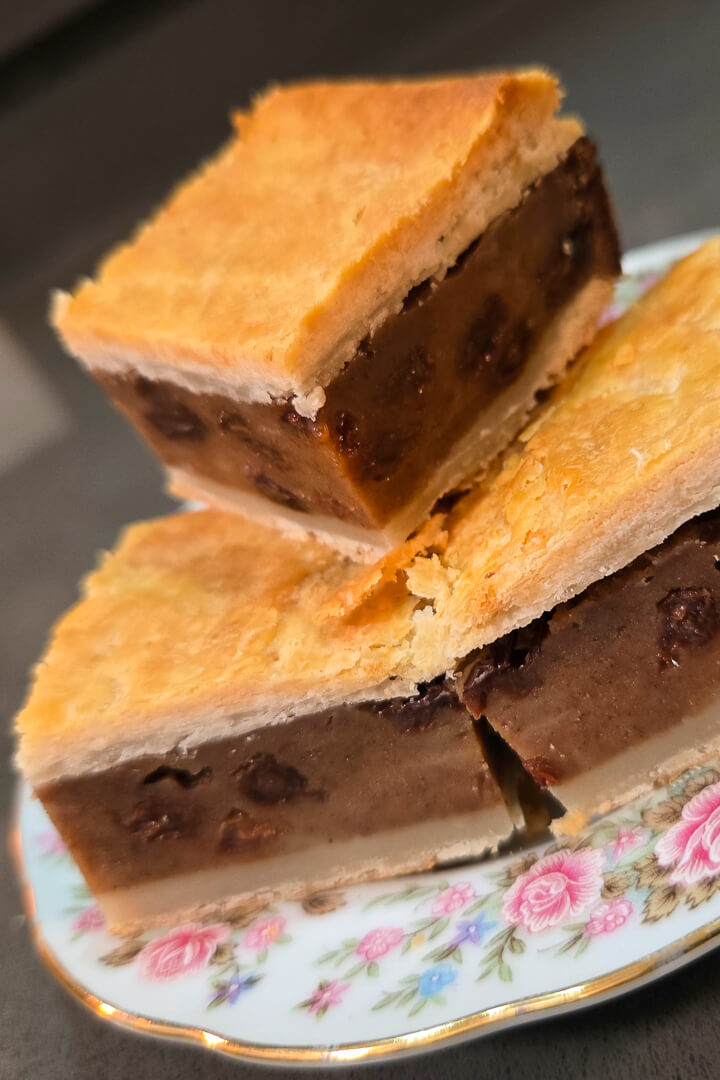
Regional Pies
Many pies are tied closely to regional identities, and nearly all of them come with a story. Examples of regional pies include Yooper pasties from Michigan’s Upper Peninsula, sour orange pie from Florida, possum pie from Arkansas, Hoosier sugar cream pie from Indiana, or flapper pie from the Canadian prairies. These pies reflect local ingredients, traditions, and culture, and are some of the most exciting to discover and share. Amish recipes like Bob Andy pie and many more can also be found in this category.
I also include pies from other countries in this category. Some international recipes featured on this website include pastiera Napoletana, an Italian Easter dessert, and Irish Chester cake.
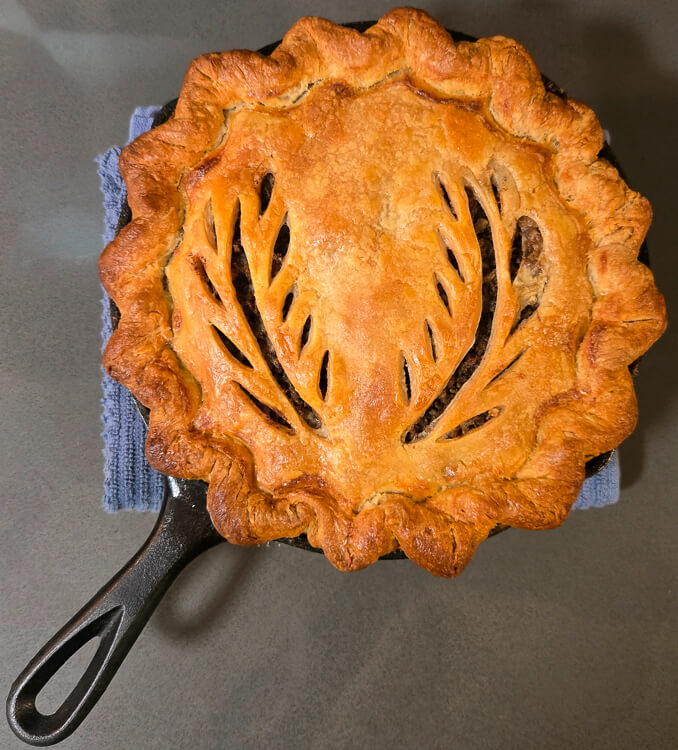
Savory Pies
Savory pies are filled with meats, vegetables, and herbs instead of sweet ingredients, making them a satisfying main course rather than a dessert. Classic examples include chicken pot pie, shepherd’s pie, and Canadian tourtière. These hearty dishes often feature a flaky double crust or a mashed potato topping and are perfect for cozy dinners and holiday meals.
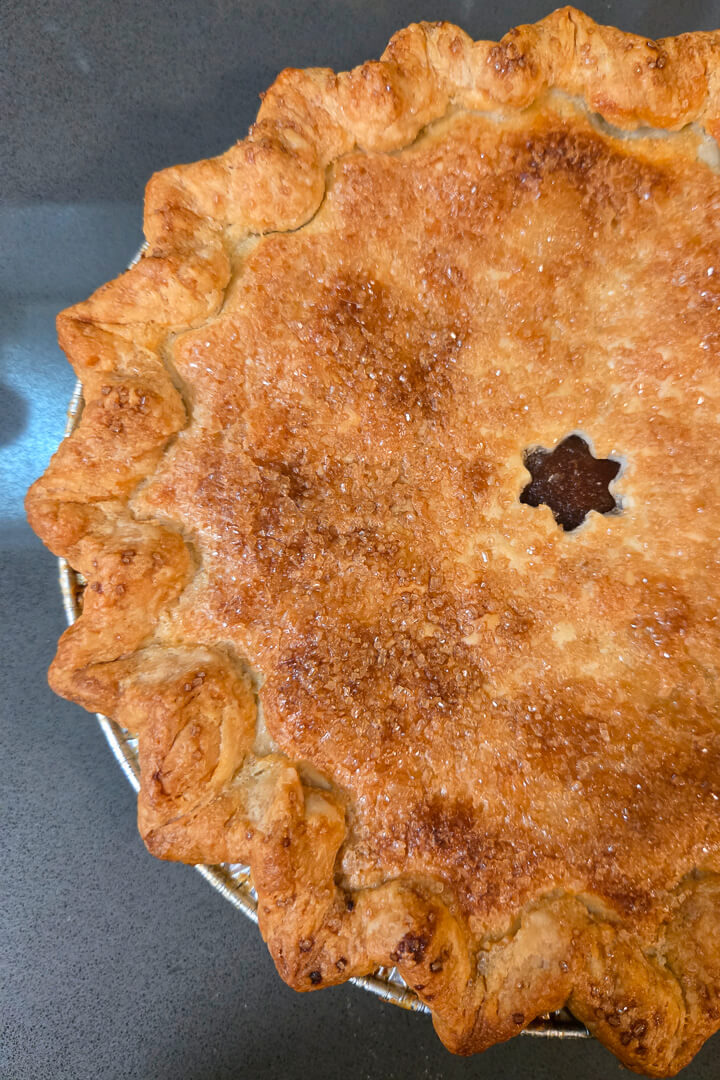
Vintage Pies
Discovering nearly-lost vintage pie recipes is what first drew me to pies and eventually inspired this website. Food is an ever-evolving part of culture, and there are pies from bygone days that were once popular that have faded into obscurity. Some linger as family traditions, others are remembered when someone asks about a pie their great-grandmother used to make, and many exist only in the pages of old cookbooks. Examples include Marlborough pie, schnitz pie, Irish Chester cake, flapper pie, and I’m sure countless more waiting to be rediscovered. If you know of an old pie recipe that has nearly disappeared, please reach out! I’d love to find it and share its story.


About Me
In 2016, I left my office job and became a professional baker. These days I spend my days testing recipes and baking pies while my two dogs snooze happily nearby.
Leave a Reply