
This post may contain affiliate links. Please read my disclosure policy.
All recipes on Doggone Baking are intended for humans — the dogs are just our enthusiastic photo assistants and taste-test spectators.
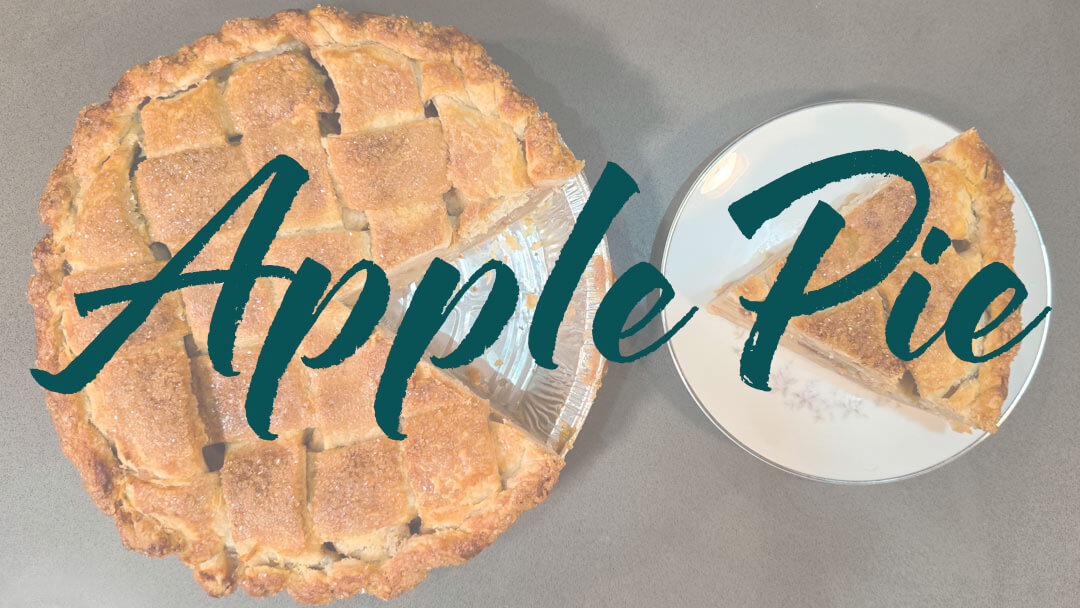
Classic American Apple Pie Recipe: A Complete Guide
There are few desserts more beloved than a classic American apple pie made from scratch. A sweet, spiced, and jammy filling made with tart apples and warm fall spices, all tucked inside a perfectly flaky and buttery pie crust. While the phrase “as American as apple pie” is familiar to nearly everyone, the dessert itself isn’t actually all that American. Many cultures around the world have their own delicious twist on apple pie, and the dessert has a history that stretches back to medieval England. That said, this classic American apple pie recipe is a nostalgic fall dessert and the perfect Thanksgiving pie.

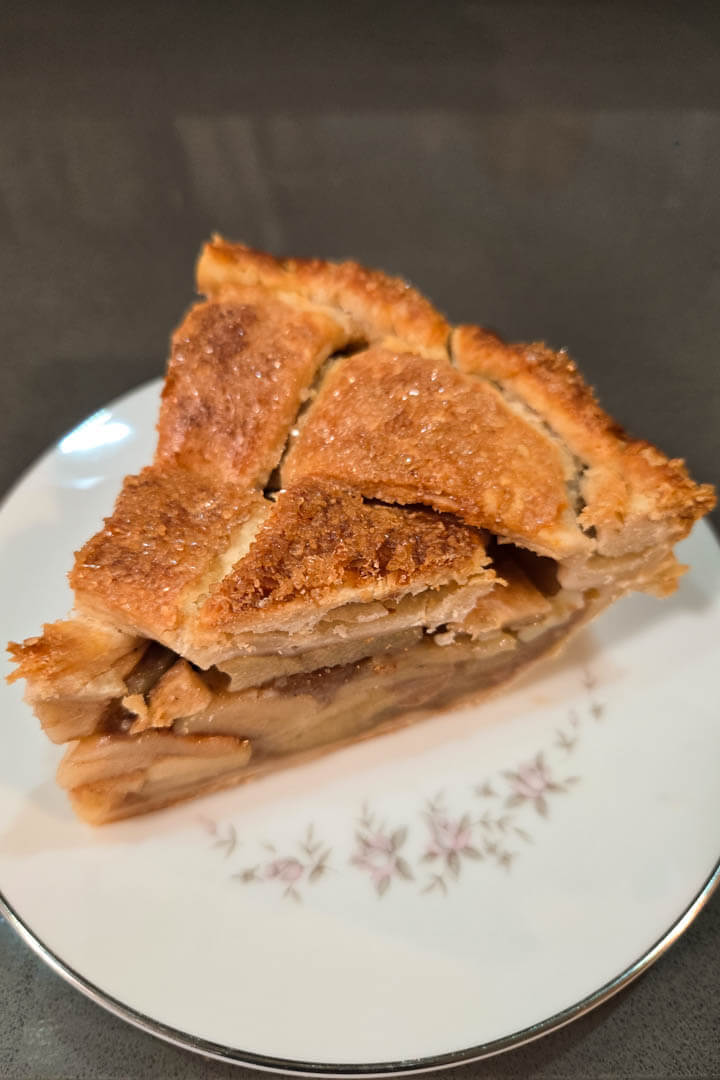
What is an American Apple Pie?
While variations of apple pie are popular around the globe, an all-American apple pie is generally a double-crusted or lattice-topped fruit pie made with an all-butter pie crust, or a similar flaky pastry dough, filled with a sweet, spiced apple pie filling. It is one of the most iconic desserts in the world, and the dish that gave us the phrase “as American as apple pie.”
A classic apple pie filling is made with sliced apples, sugar, a thickening agent like flour or cornstarch, and apple pie spice, a cinnamon-forward blend of warm fall spices. Because apple pie is so universally loved, there are countless delicious variations out there. Dutch apple pie, for example, swaps the top crust for a buttery crumb topping, while caramel apple pie stirs caramel sauce right into the filling for an extra layer of rich, gooey flavor.
The History of Apple Pie
Apple pie has a much longer and more international history than the phrase “as American as apple pie” might suggest. Apples aren’t even native to the Americas and were brought over by European settlers. The only apples truly native to North America are crab apples. If you are looking for famous pies that are genuinely American in origin, lemon meringue pie and key lime pie are much better candidates!
One of the earliest known recipes for apple pie appears in The Forme of Cury, a cookbook compiled by the master cooks of King Richard II around 1390, making it one of the oldest English-language cookbooks in existence. The recipe is titled “For to Make Tartys in Applis” and instructs the cook to take apples, spices, figs, raisins, and pears and bake them in a “cofyn,” the medieval word for a pastry case. Unlike the flaky, buttery crusts we use today, a cofyn was a thick, sturdy shell made from flour and water that served more as a baking vessel than something you were meant to eat. Read more about the history of pie crust here.
That means apple pie is not just an old-fashioned fruit pie brought over from England, it’s actually one of the oldest traditional fruit pies in existence! In fact, many early fruit pie recipes from hundreds of years ago simply instructed cooks to follow the instructions for their apple pie recipe, but swap in whatever fruit they had on hand.
Apple pie crossed the Atlantic with European settlers and quickly took root in North America. Not just one, but two recipes for apple pie appeared in the first American cookbook, American Cookery by Amelia Simmons, published in 1796. If you want to see what those early recipes actually looked like in practice, Tasting History on YouTube has recreated both the 1796 Amelia Simmons version and the original Forme of Cury recipe.
From those medieval English roots, apple pie has since spread and evolved into countless regional versions around the world, from the famous tarte tatin in France to the beloved apfelstrudel in Austria. For a more complete list of apple pies from around the world, see further down in this post.
What are the Best Apples for Apple Pie?
When baking a classic American apple pie from scratch, you want apples that are firm enough to hold up during the long baking time and tart enough to balance out the sweetness of the filling. Granny Smith apples are the classic choice and the most popular apple variety for apple pie for good reason. They are crisp, reliably tart, and hold their shape beautifully in the oven.
That said, Granny Smith apples are not your only option. Whether you want to mix things up or your grocery store just happens to be sold out, there are several great apples for apple pie worth knowing about.
- Granny Smith: The gold standard for apple pie. Granny Smith apples are bright green, crisp, and tart, and they hold up exceptionally well during baking. Their sharp flavor contrasts the sweetness of the filling in all the right ways.
- Gravenstein: A little sweeter than Granny Smith but still pleasantly tart, with a subtle hint of honey flavor. Gravenstein apples are light green with red stripes and are a fantastic baking apple. They grow well in Sonoma County, California. They do not store as long as Granny Smith apples, so look for them toward the end of summer when they are at their peak.
- Cortland: A variety of apple grown in New York and a cross between McIntosh and Ben Davis apples, Cortland apples are softer than Granny Smith or Gravenstein but still hold up well in the oven.
- Braeburn: Originally from New Zealand, Braeburn apples strike a nice balance between sweet and tart, making them a great choice if Granny Smith apples feel too sour for your taste. They are juicy, light green with vibrant red streaks, and will give you a noticeably sweeter apple pie filling, so consider reducing the sugar in your recipe slightly.
- Jonathan: A dark, vibrant red apple that sits right in the middle of the sweet-tart spectrum with a faint hint of natural cinnamon flavor. Jonathan apples are quite juicy and make wonderful cider, but they are also a unique and delicious choice for apple pie if you want something a little different.
How to Make the Crust for Apple Pie
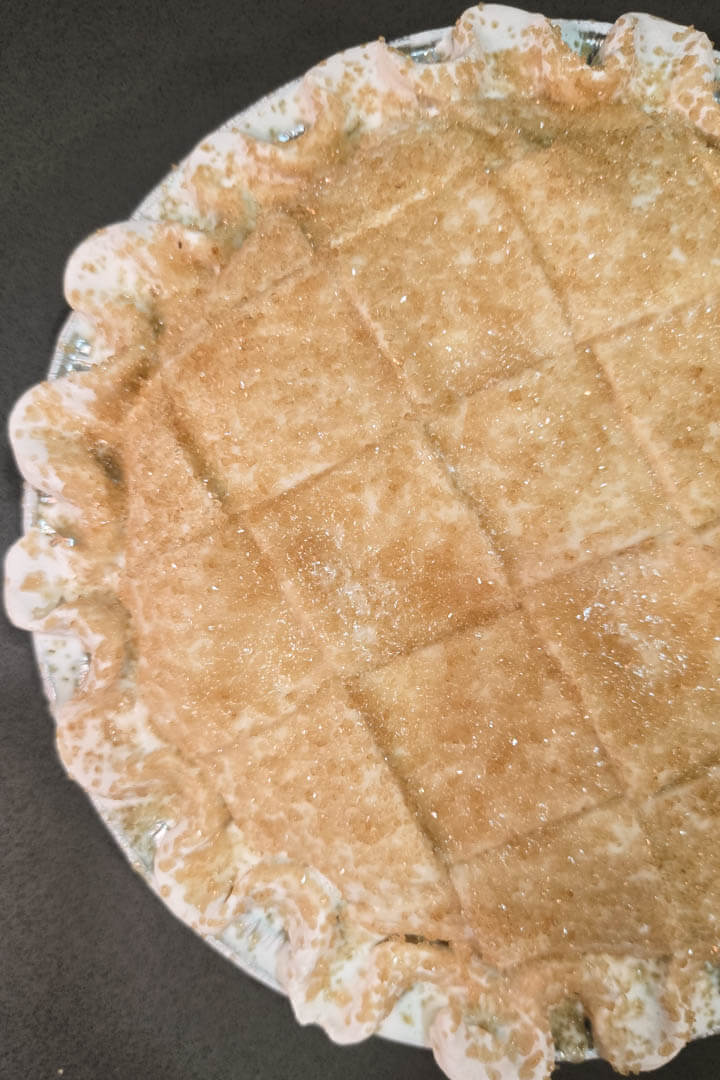
When it comes to apple pie, and most fruit pies, there are a few different ways to finish off the top of the pie. The three most common options are a double crust, a lattice top, and a crumb topping. Each one gives you a slightly different result, so it really just comes down to personal preference, experience, and how much time you want to spend.
Double-Crusted Apple Pie
A double-crusted apple pie is an apple pie where you bake the apple pie with a full round of pie dough sealed to the bottom crust. To let steam escape as the pie bakes, most bakers will cut a few vents in the top crust with a paring knife. If you are feeling creative, you can also cut out small shapes instead for a more decorative look. Double-crusted pies are a bit easier to make than lattice pies.
Lattice Crust Apple Pie
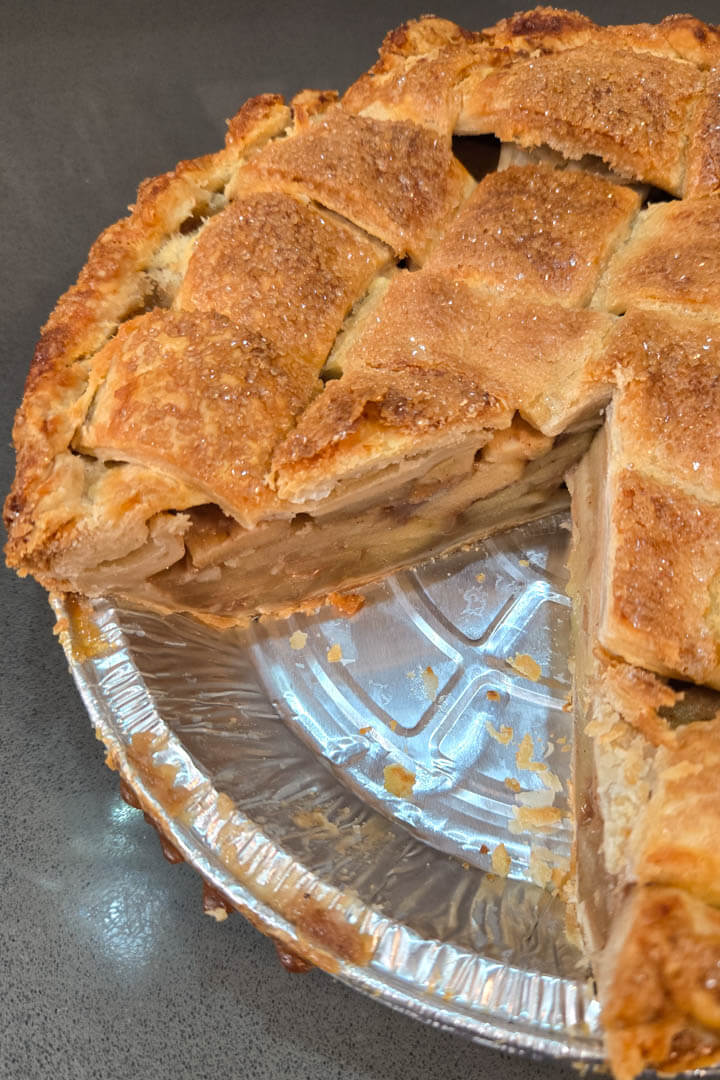
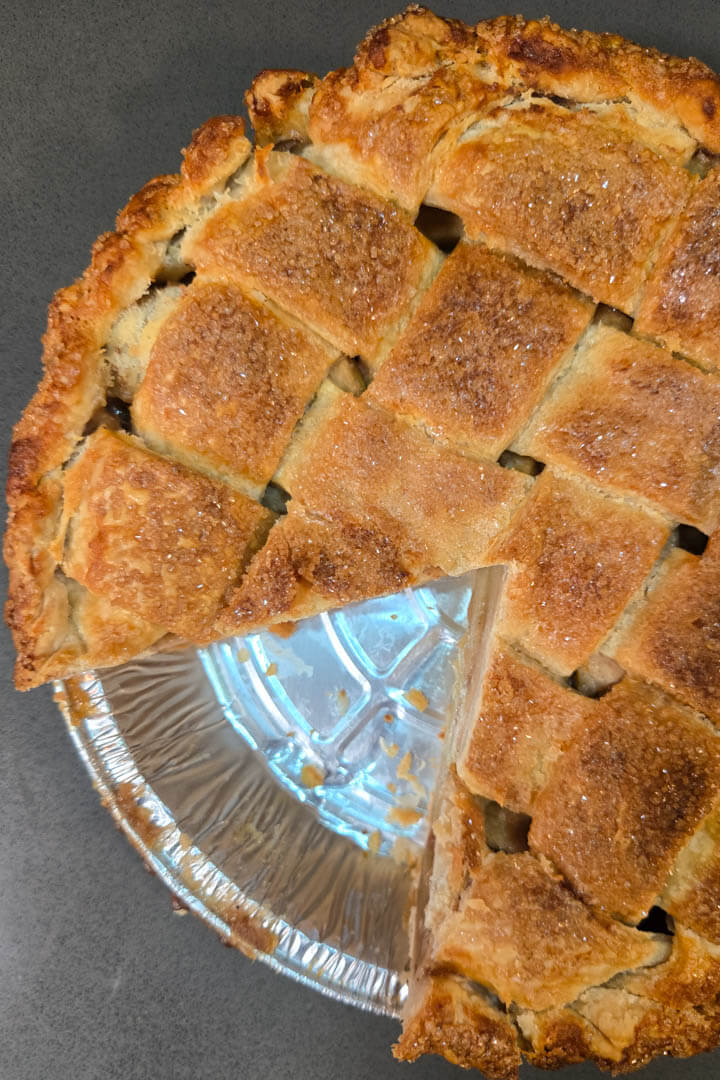
A lattice top is a beautiful variation on a double-crust pie.
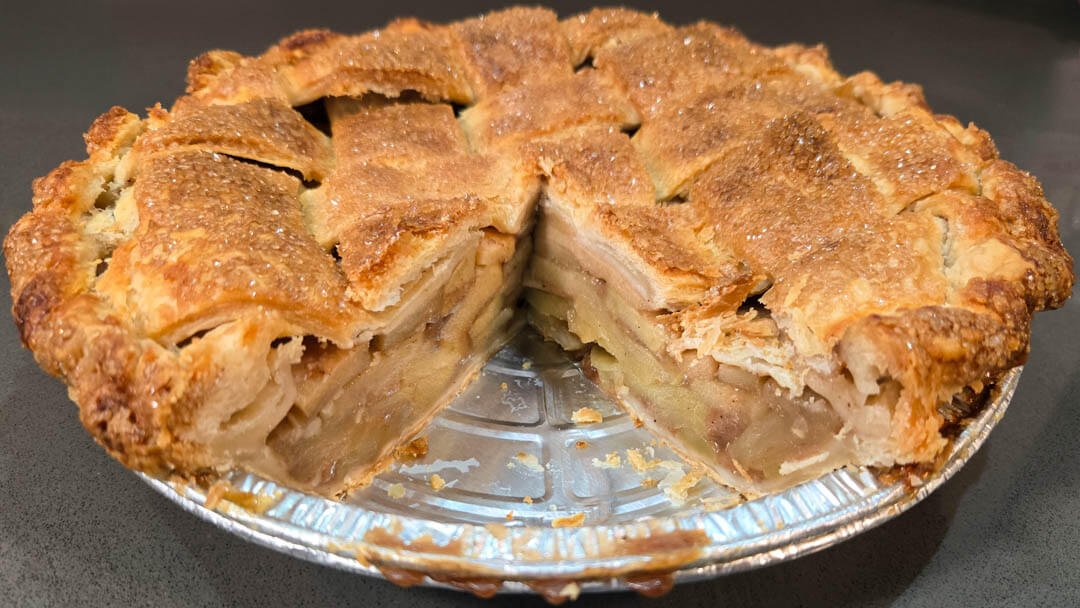
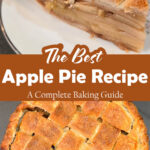
A variation on a double-crusted pie, a lattice top places a lattice woven out of pie dough over the top of the pie. Instead of a solid top, you weave strips of pie dough over the filling in a crosshatch pattern that lets you see the filling peeking through. A lattice crust can be as simple or as elaborate as you like, from a classic wide-strip weave to intricate braided or skinny-strip designs. A latticed apple pie is one of the most iconic looks for a homemade apple pie.
Dutch Apple Pie (Apple Crumble Pie)
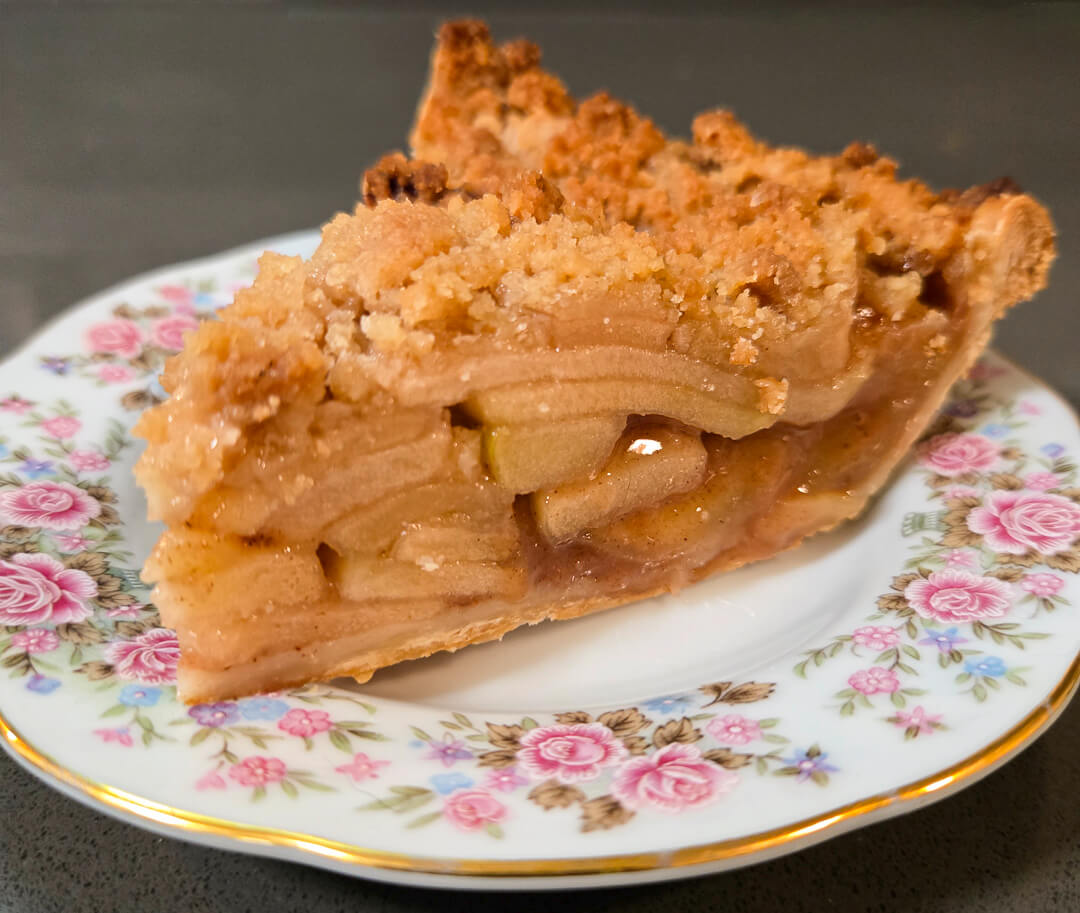
Most fruit pies can also be topped with a simple homemade crumb topping. This can be easier than a lattice top or double-crust pie and adds a flavorful crunch to the pie. When apple pie is made with a crumb topping, it is commonly called Dutch apple pie, a name that comes from the Pennsylvania Dutch who popularized this style. There are lots of ways to customize your crumb topping too, from a classic streusel to a pecan crumb topping like the one on my caramel apple pie recipe. You can find my full Dutch apple pie recipe here.
Should You Pre-Cook Apple Pie Filling?
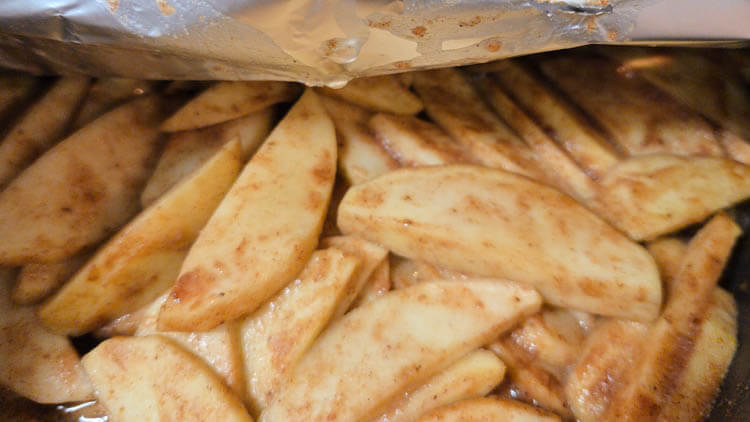
Pre-cooking apple pie filling is optional, but it is worth understanding why. Some apple pie recipes call for pre-cooking the filling before assembling the pie, while others skip the step entirely. Whether you do it or not often comes down to personal preference and how much time you have.
The main advantage of pre-cooking apple pie filling is preventing a sunken or uneven top crust. With many fruit pies, the fruit is soft or small enough that you can press it firmly into the crust and eliminate air pockets before baking. Apple slices are larger and firmer so they do not compress as easily. As the pie bakes and the apples soften, the filling can sink and settle, leaving gaps or low spots under the top crust or crumb topping. Pre-cooking the apples softens them slightly beforehand, so you can pack the filling more tightly and get a more even bake.
Some bakers also pre-cook their filling simply to make sure the apples are fully tender by the time the pie comes out of the oven. If you would rather skip the pre-cooking step, that is completely fine. Just bake your pie a little longer and wait until the filling is bubbling slowly and thickly around the edges. Those slow, syrupy bubbles are the best sign that your apples are cooked all the way through.
How to Make Homemade Apple Pie Spice
What Spices are in Apple Pie Spice?
Apple pie spice is a cinnamon-forward blend of warming fall spices. It almost always includes cinnamon, nutmeg, and allspice, and depending on the recipe may also include ginger, cardamom, and cloves. Historically, mace was also a common addition back when it was a more widely used spice.
- Cinnamon: Made from the bark of an evergreen tree, cinnamon is the warm, sweet backbone of apple pie spice. There are two main types: ceylon cinnamon and cassia cinnamon. Cassia is the variety you will most likely find at a North American grocery store, and it has a bolder, spicier flavor than the milder ceylon.
- Nutmeg: The seed of an evergreen tree native to Indonesia, nutmeg adds a woody, earthy, faintly spicy depth to the blend. It’s the primary flavor of eggnog.
- Allspice: Native to Jamaica and a cornerstone of Jamaican cooking, allspice has a bold, intensely warm flavor. The English named it allspice because they felt it captured the combined flavors of cinnamon, nutmeg, and cloves all in one spice.
- Ginger: A bright, zingy root native to Southeast Asia, ginger adds a lively kick to apple pie spice and has been used medicinally for centuries. It keeps the blend from feeling too heavy or flat.
- Cloves: Native to Indonesia and harvested as flower buds, cloves are intensely warm and aromatic. A little goes a very long way, so they should always be used in small quantities.
- Cardamom: Cardamom is a floral, highly aromatic seed pod native to South India. It’s used in both sweet and savory cooking and can bring out a floral flavor in spice mixes.
My Go-To Homemade Apple Pie Spice Recipe Ratio
This is the blend I use in my homemade apple pie filling. It makes enough spice for approximately one apple pie. You can scale it up to keep a jar on hand, use only part of it for a more lightly spiced pie, or tweak the amounts to suit your own taste. Note that my version includes a small amount of both cloves and cardamom, which many commercial apple pie spice blends leave out.
- 1½ teaspoons of ground cinnamon
- ¼ teaspoon of ground nutmeg
- ¼ teaspoon of ground ginger
- ⅛ teaspoon of ground cloves
- ⅛ teaspoon of ground cardamom
What is the Difference Between Apple Pie Spice and Pumpkin Pie Spice?
Pumpkin pie spice and apple pie spice are closely related, and in a pinch they can absolutely be used interchangeably. Both are warming fall spice blends built on a similar foundation of cinnamon, nutmeg, and allspice. The differences are subtle but real. Apple pie spice is more cinnamon-forward and tends to have a brighter, more floral flavor. Pumpkin pie spice typically includes cloves as a key ingredient, which gives it a deeper, earthier, more full-bodied warmth. The result is that apple pie spice tastes a little lighter and more delicate, while pumpkin pie spice has a bolder, more intense kick.
Step-by-Step Classic Apple Pie Recipe
Crust Recipe for Apple Pie
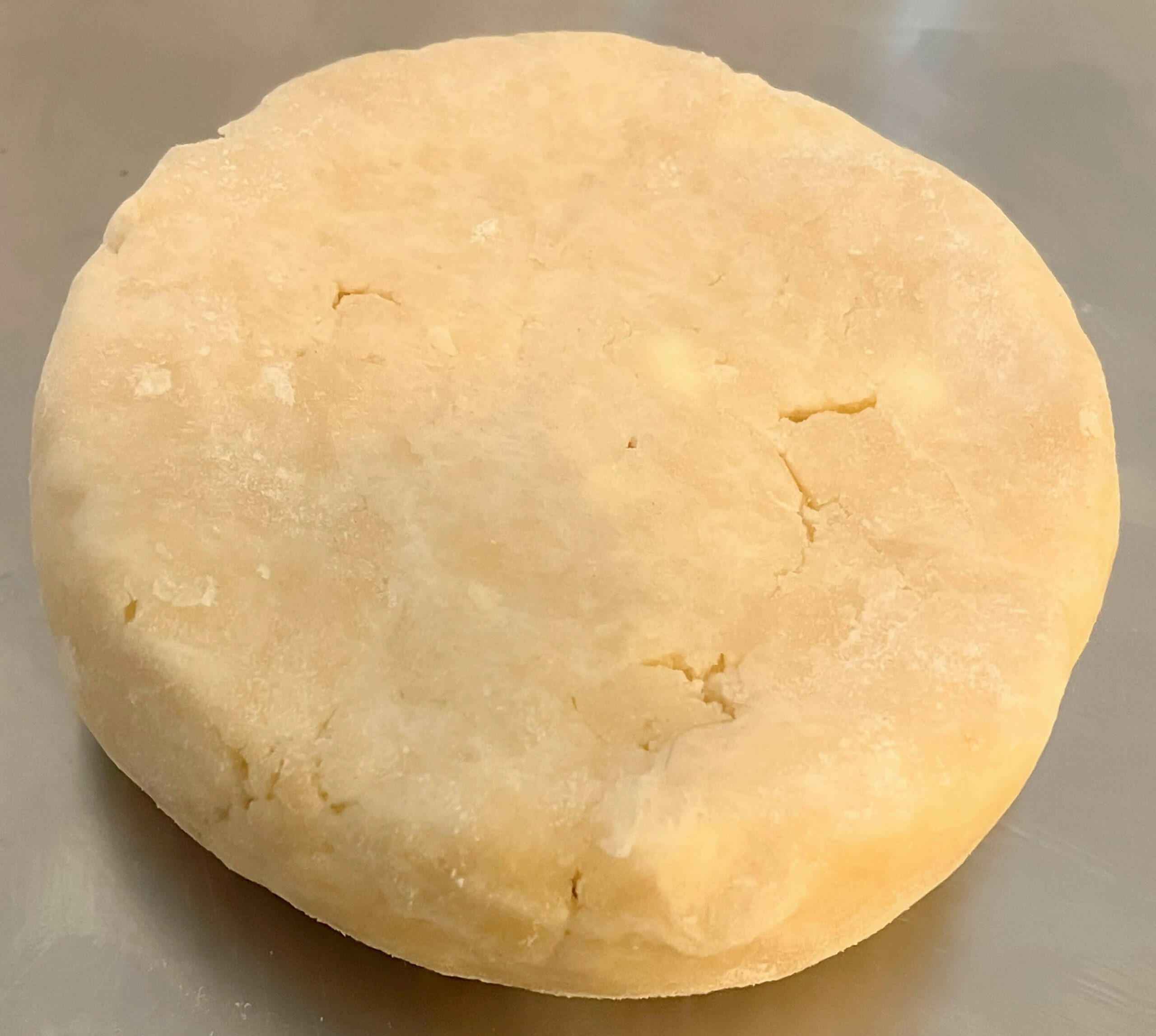
If you want to make a classic American apple pie with a double crust or a lattice top, you’ll need a full batch of my all-butter pie dough recipe or two sheets of frozen, store-bought puff pastry. You’ll also want some cream and a large-crystal sugar, like demerara, turbinado, or sanding sugar, to give the top crust a nice finish.
If you would prefer to make a Dutch apple pie (an apple pie with a crumb topping), you’ll want to use a light, blind-baked pie crust and a batch of my crumble topping recipe. See my recipe for Dutch apple pie.
Homemade Apple Pie Filling
Ingredients
- 2lbs of Apple Slices (Granny Smith)
- ½c Brown Sugar (100g)
- 6T Granulated Sugar (75g)
- 1½t Ground Cinnamon
- ¼t Ground Nutmeg
- ¼t Ground Ginger
- ⅛t Ground Cloves
- ⅛t Ground Cardamom
- ¼t Salt
- ¼c of All-Purpose Flour
- 1T Lemon Juice
- 2T Unsalted Butter, melted
- 2T Heavy Whipping Cream (optional)
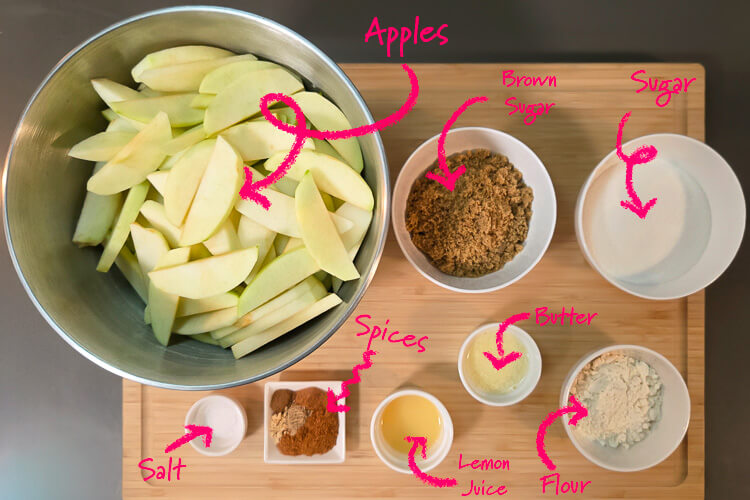
1.
Preheat your oven to 350°F (160°C).
2.
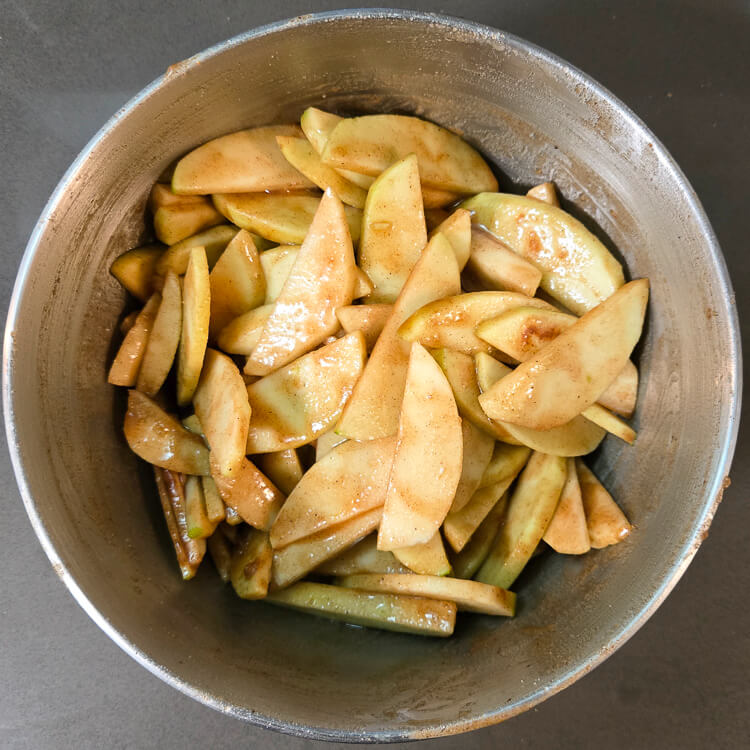
In a large mixing bowl, combine the apple slices, both sugars, spices, and flour. Toss until the apples are evenly coated. Add the lemon juice and melted butter, then mix again until everything is well combined.
3.
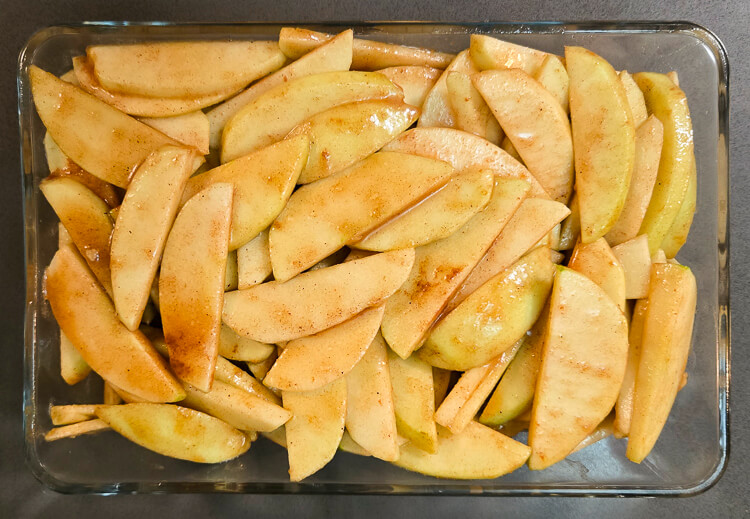
Pour the apple mixture into a 9×13-inch baking dish and cover it loosely with aluminum foil. Poke a few small holes in the foil with a knife or fork to allow steam to escape.
4.
Bake for about 25 minutes, then remove from the oven and let it cool before assembling your pie.
How to Make an Apple Pie
Note: This pie turns out best if you fully assemble it and give it time to freeze before baking.
1.
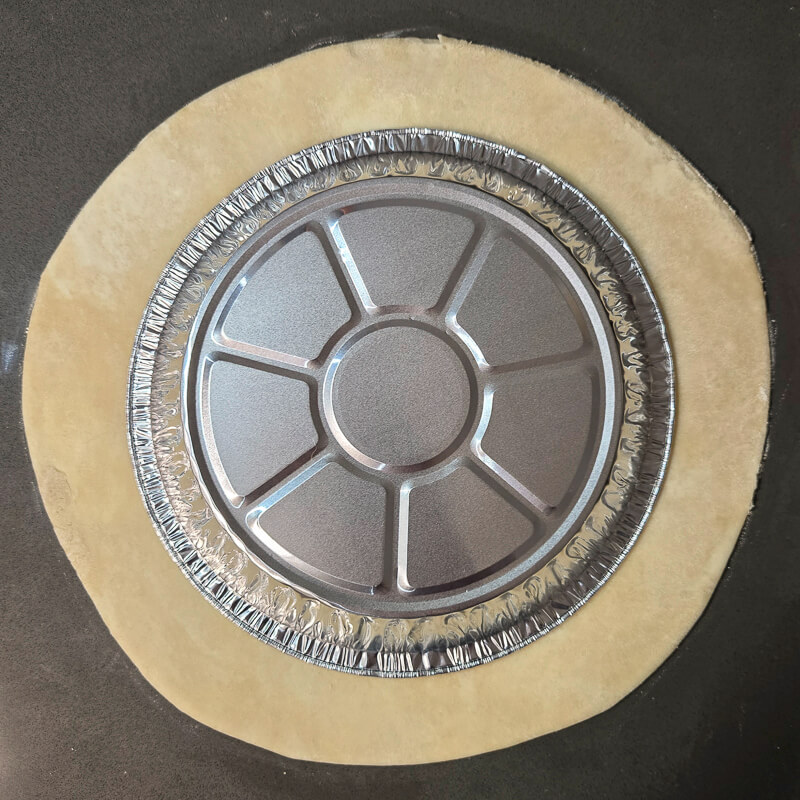
If you made a batch of my all-butter pie dough recipe, you should have two discs of dough. Roll out one disc into a circle about 1 to 2 mm thick and at least 1 inch wider than a 9-inch pie tin all the way around.
2.
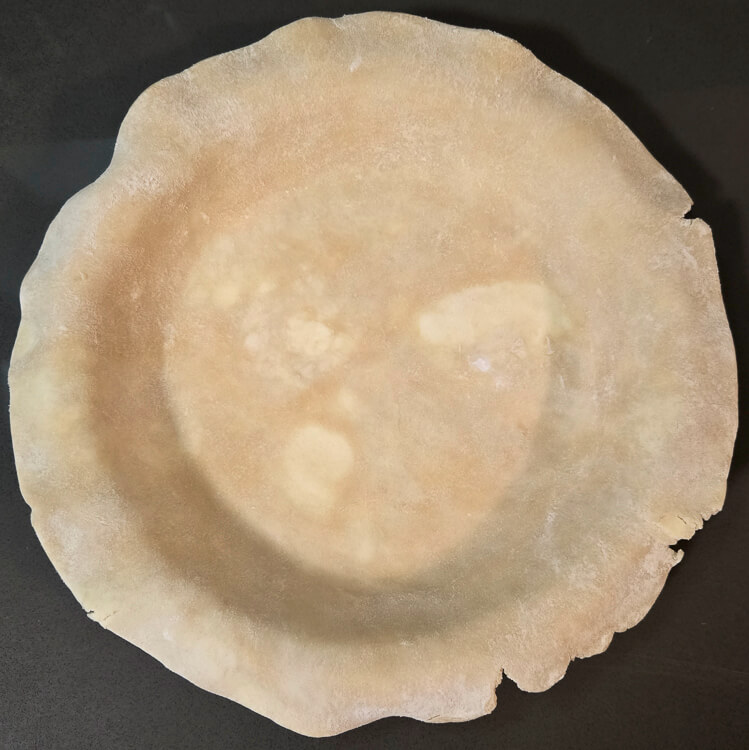
Fit the rolled dough into your 9-inch pie tin. Trim the overhang with kitchen scissors so there is about a ½-inch (1 cm) overhang all the way around.
3.
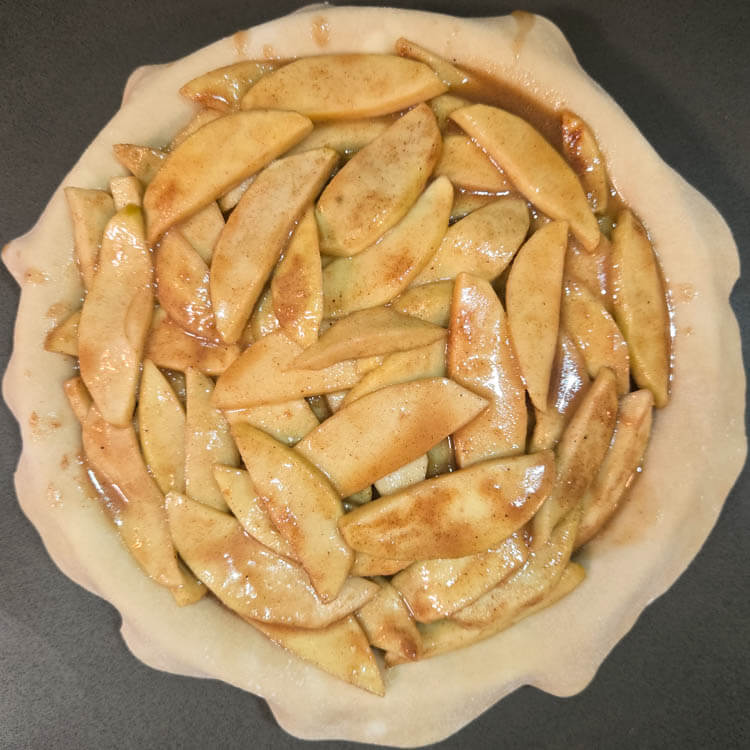
Add the pre-cooked apple pie filling, pressing it down firmly to eliminate any air pockets.
4.
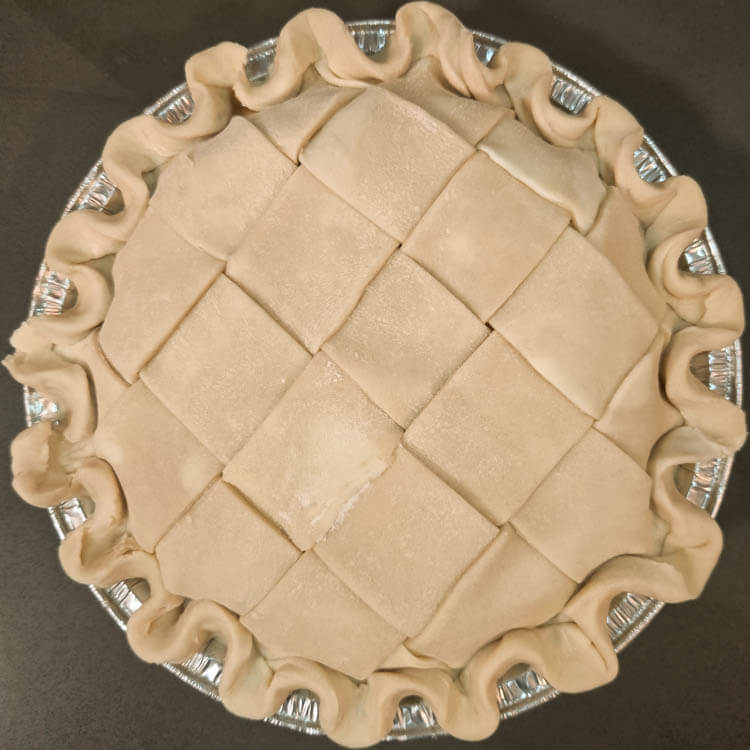
For a double-crusted pie, roll out the second disc of dough, place it over the filling, and seal the edges using your preferred method.
5.
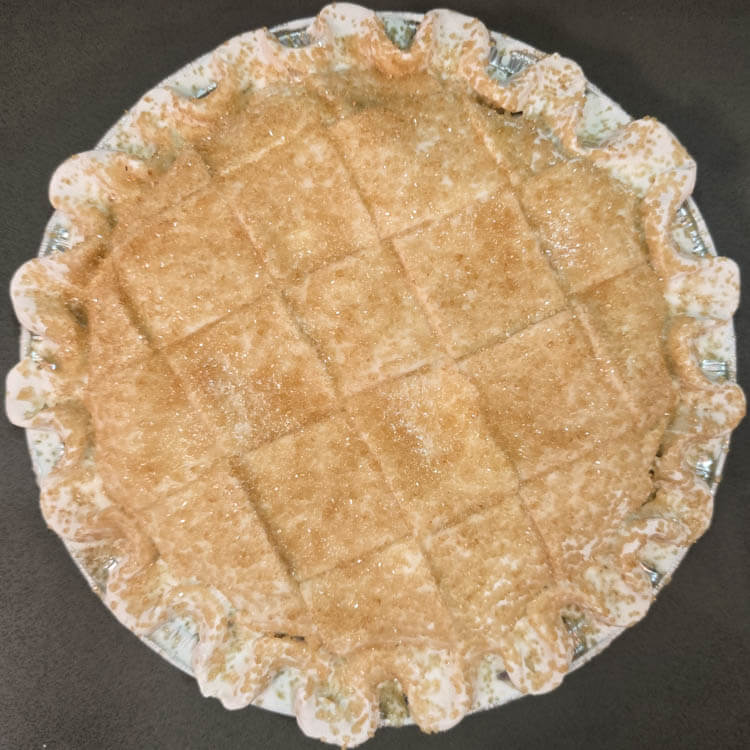
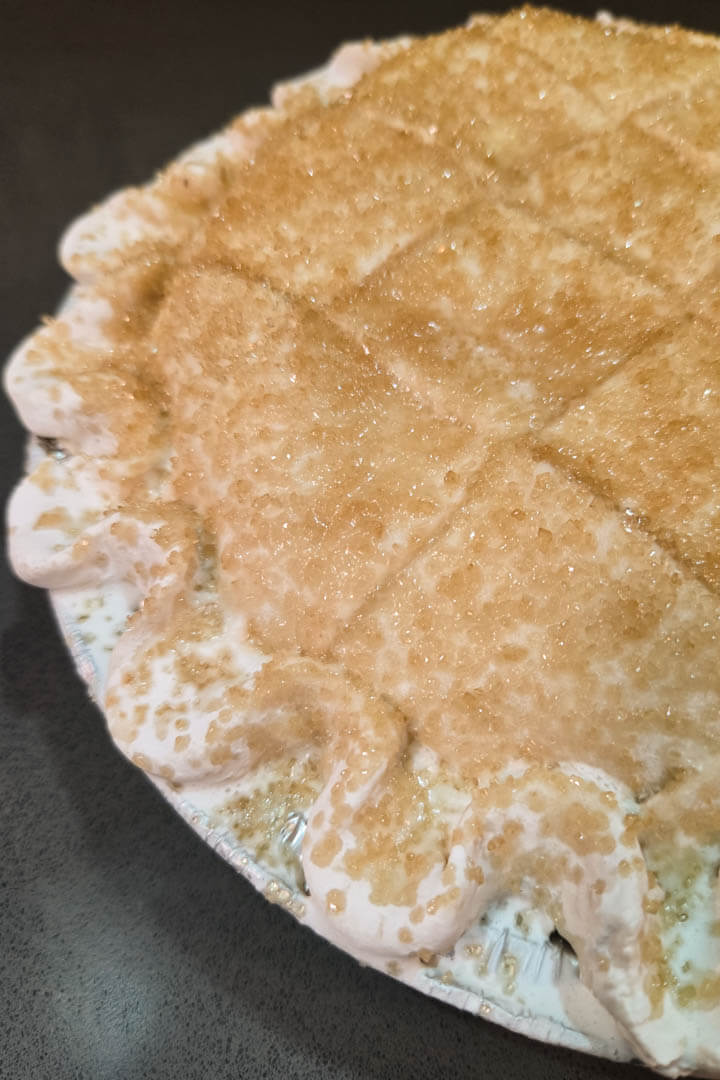
Brush the top crust with heavy whipping cream, then sprinkle generously with demerara sugar. If you’re making a double-crusted pie instead of a lattice, cut a few vents with a paring knife to allow steam to escape.
6.
Transfer the assembled pie to the freezer and freeze for at least 1 hour before baking.
How to Bake an Apple Pie
1.
Preheat your oven to 350F (165C)
2.
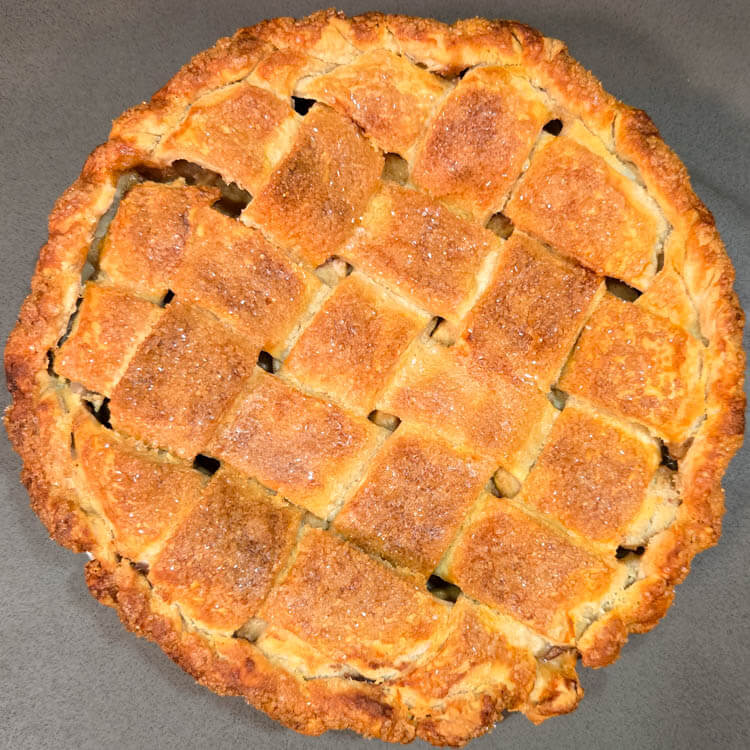
Place the frozen pie onto a baking sheet lined with parchment paper. Bake the pie for 1 hour 15 minutes to 1 hour 30 minutes, or until the top crust is golden brown and the filling is bubbling out slowly.
3.
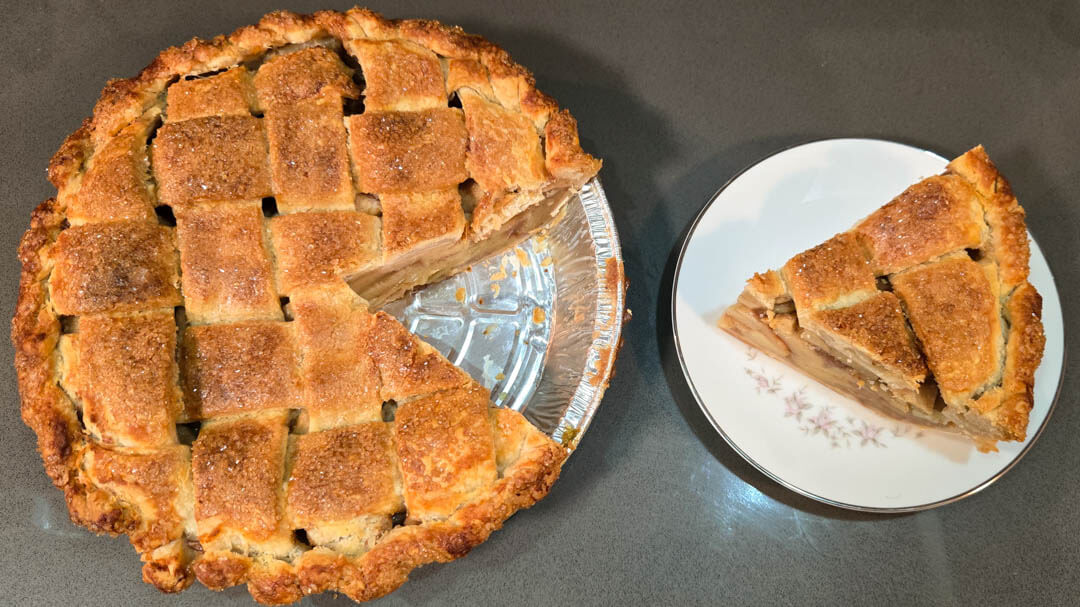
Remove from the oven and let the pie cool slightly before slicing and serving.
How to Make an Apple Pie with Crumb Topping
Almost any fruit pie can be topped with a crumb topping instead of a top crust or lattice. Crumble is easy to make at home and is often simpler than assembling a pastry top. Apple crumble pies are often called Dutch apple pies. If you prefer to make an apple pie with crumb topping, you can find my Dutch apple pie recipe here.
Different Kinds of Apple Pie
Apple Pies from Around the World
One of the most fun things about apple pie is just how many versions of it exist around the world. Every culture that loves apples has found their own delicious way to put them in a crust. Here are some of the most beloved apple pies from around the world.
- Appeltaart (Netherlands): The true Dutch apple pie, appeltaart has a tall shortcrust pastry filled with a chunky, spiced apple pie filling.
- Tarte Tatin (France): A famous French dessert with caramelized apples and flipped upside down before serving.
- Tarte aux Pommes (France): Another French take on an apple pie, tarte aux pommes originated in Normandy. Apple slices are baked over almond frangipane set inside of a shortcrust pastry crust.
- Apfelstrudel (Austria): Apple strudel is a beloved pastry dessert throughout the countries that were part of the Austro-Hungarian empire. Apple filling is baked inside a roll of thin, crispy dough.
- Apfelwähe (Switzerland): Somewhat similar to tarte aux pommes, Apfelwähe is an open apple tart with the apples baked inside of a custard set inside a flaky pâte brisée.
- Ticino Apple Veja (Switzerland): Specifically from the Ticino region of Switzerland, veja is a thin, double-crusted apple pie with apples baked with a cream-based custard between two layers of puff pastry.
- Tsvetaevsky Pirog (Russia): Pirog is the Russian word for pie, and tsvetaevsky pirog is a delicious, deep-dish apples and cream pie set inside a shortcrust pastry crust.
- Apple Amber (Ireland): A traditional Irish dessert, apple amber is an apple meringue pie with a custard
- Milopita Bougatsa (Greece): A Greek apple pie, with apple filling thickened with semolina encased in flaky phyllo dough.
- Apfelkuchen (Germany): German apple pie with a shortcrust pastry crust, filled with an apple filling, and finished with a streusel topping.
- Japanese Apple Pie (Japan): Similar to an American apple pie but usually significantly less spiced, and using fuji apples instead of granny smith apples. Aomori prefecture in Japan is known for their apple pies.
Variations of Classic Apple Pies
Apple pie is one of those desserts that lends itself beautifully to creativity. Here are some of the most popular and delicious twists on the classic recipe.
- Dutch Apple Pie: Not to be confused with the actual Dutch appeltaart, Dutch apple pie was popularized by the Pennsylvania Dutch and is a classic apple pie with a crumb topping.
- Caramel Apple Pie: A delicious pie perfect for Halloween, caramel apple pie adds some caramel sauce to the apple pie filling, making it reminiscent of caramel apples. My recipe includes a pecan crumb topping.
- Cranberry Apple Pie: A festive twist on a classic apple pie perfect for a holiday dessert. Cranberries are mixed with apples in the filling to create a beautiful and delicious pie.
- Apple Rhubarb Pie: Rhubarb is called “pie plant” in some places, and there are many rhubarb pie variations, including the popular strawberry rhubarb pie. Try an apple rhubarb pie!
- Bourbon Apple Pie: Sometimes called a drunken apple pie, bourbon and apples are a natural pairing. Add a splash of bourbon to apple pie for a delicious twist!
How to Store and Reheat Apple Pie
How to Store Apple Pie
This classic apple pie can be kept at room temperature for about 1 day. After that, transfer it to the refrigerator, where it will keep for up to 1 week. Re-crisp the pie before serving if refrigerated.
Reheating Apple Pie Before Serving
Refrigerating apple pie softens the flaky pie crust. To bring back that fresh-baked texture, reheat the pie before serving. Preheat your oven to 350°F (170°C) and bake for 15–20 minutes, until warmed through and the top crust is crisp again.
Freezing Apple Pie for Later
You can assemble this pie ahead of time and freeze it (unbaked) for up to 3 months. Once assembled, wrap it tightly in a freezer bag or double-wrap in plastic wrap to prevent freezer burn. When you’re ready to enjoy it, unwrap the pie and bake it straight from frozen until the filling is bubbling and the top crust is golden. See the directions for baking an apple pie above. Frozen pies are especially handy during busy times of the year, since you can prepare the pie ahead of time and simply bake it on the day you want to serve it.
Baking Tips for Classic Apple Pie
Overfill the Apple Pie Before Baking
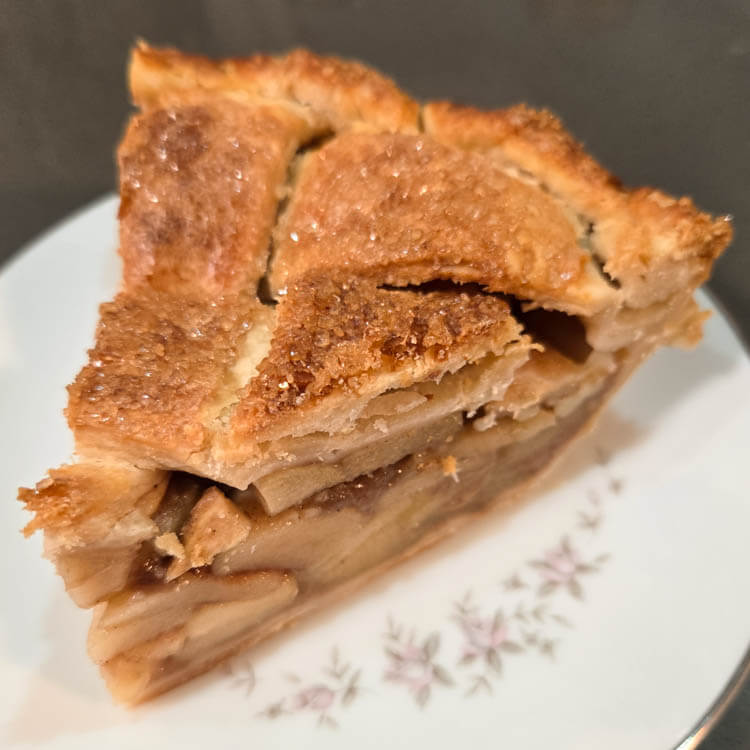
The fruit will shrink as it cooks and releases steam, which can leave the filling lower than the crust if you start with a level pie. Slightly overfilling ensures the fruit bakes down into a perfectly even, flat pie after cooling.
Protect Your Sheet Pan While Baking Pies for Easy Clean Up
Fruit pies almost always bubble over as the fruit juices thicken, so line your baking sheet with parchment paper before placing the pie on it. The juice will drip onto the pan and caramelize into a sticky syrup. After baking, pour a small amount of water onto the sheet pan (never onto the pie itself). This loosens the baked-on juices and makes it much easier to lift and move the pie once cooled.
We’d love to see your apple pie creations! If you give this recipe a try, tag @doggone_baking on social media so we can share in the summer baking fun.
Classic Apple Pie
Ingredients
- 1 batch Flaky Pie Dough
- 2 lbs Apple Slices (Granny Smith)
- ½ cup Brown Sugar (100g)
- 6 tbsp Granulated Sugar (75g)
- ¼ cup All-Purpose Flour (30g)
- 1½ tsp Ground Cinnamon
- ¼ tsp Ground Nutmeg
- ¼ tsp Ground Ginger
- ⅙ tsp Ground Cloves
- ⅕ tsp Ground Cardamom
- ¼ tsp Salt
- 1 tbsp Lemon Juice (15mL)
- 2 tbsp Unsalted Butter, melted (28g)
- 2 tbsp Heavy Whipping Cream
- ¼ cup Demerara Sugar
Instructions
Make the Apple Pie Filling
- Preheat your oven to 350℉ (160℃).
- In a large mixing bowl, combine the apple slices, both sugars, spices, and flour. Toss until the apples are evenly coated. Add the lemon juice and melted butter, then mix again until everything is well combined.
- Pour the apple mixture into a 9×13-inch baking dish and cover it loosely with aluminum foil. Poke a few small holes in the foil with a knife or fork to allow steam to escape.
- Bake for about 25 minutes, then remove from the oven and let it cool before assembling your pie.
Assemble the Classic Apple Pie
- If you made a batch of my all-butter pie dough recipe, you should have two discs of dough. Roll out one disc into a circle about 1 to 2 mm thick and at least 1 inch wider than a 9-inch pie tin all the way around.
- Fit the rolled dough into your 9-inch pie tin. Trim the overhang with kitchen scissors so there is about a ½-inch (1 cm) overhang all the way around.
- Add the apple pie filling, pressing it down firmly to eliminate any air pockets.
- For a double-crusted pie, roll out the second disc of dough, place it over the filling, and seal the edges using your preferred method.
- Brush the top crust with heavy whipping cream, then sprinkle generously with demerara sugar. If you’re making a double-crusted pie instead of a lattice, cut a few vents with a paring knife to allow steam to escape.
- Transfer the assembled pie to the freezer and freeze for at least 1 hour before baking.
Bake the Apple Pie
- Preheat your oven to 350°F (160℃).
- Remove the pie from the freezer, and place on a parchment lined baking sheet.
- Bake for about 1 hour 30 minutes, or until the crumble is golden brown and the filling is bubbling up slowly, like syrup.
- Remove from the oven and let cool at room temperature until ready to serve.


About Me
In 2016, I left my office job and became a professional baker. These days I spend my days testing recipes and baking pies while my two dogs snooze happily nearby.
See My Full Bio
One response to “Classic Apple Pie Recipe”
-

I can’t wait for apple pie season! Actually any pie lol.
I had no idea apple pie originated from England, I had always thought it was American.

Leave a Reply