
This post may contain affiliate links. Please read my disclosure policy.
All recipes on Doggone Baking are intended for humans — the dogs are just our enthusiastic photo assistants and taste-test spectators.
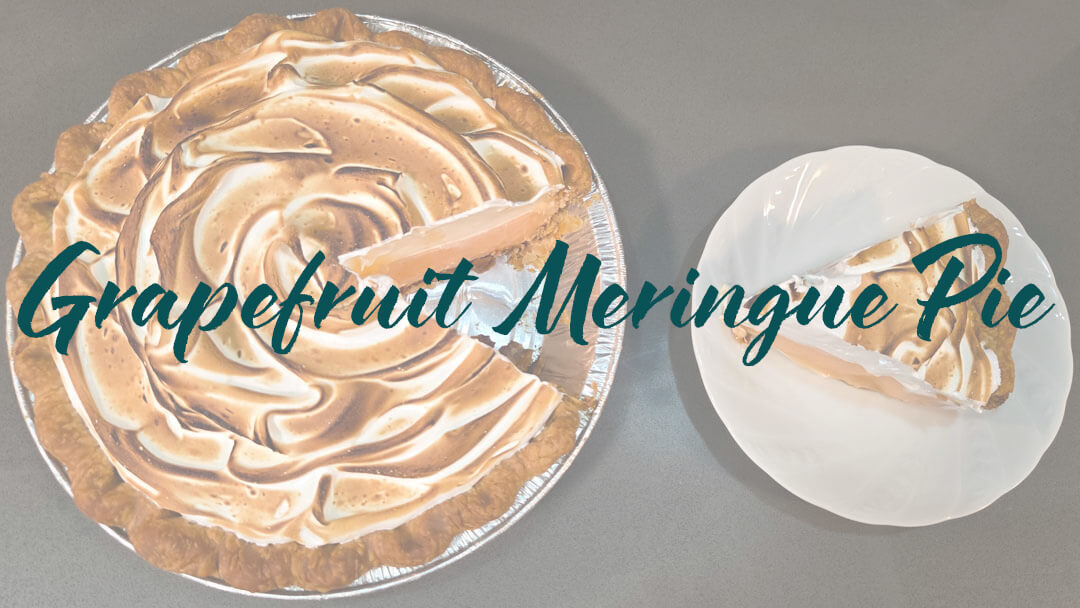
Grapefruit Meringue Pie Recipe
Although lemon meringue pie is one of the most iconic and classic American desserts, most people have never even heard of its cousin, grapefruit meringue pie. That’s a shame, because it’s just as delicious and maybe even a little more interesting. Grapefruit meringue pie works exactly like a lemon meringue pie, but instead of a lemon curd filling, it uses a homemade grapefruit curd filling made from fresh grapefruit juice. The flavor is sweet and a little tart, with a floral quality that grapefruit has that lemon doesn’t. If you love lemon meringue pie, grapefruit meringue pie is a delicious and unusual twist on a classic American dessert.

What is Grapefruit Meringue Pie?
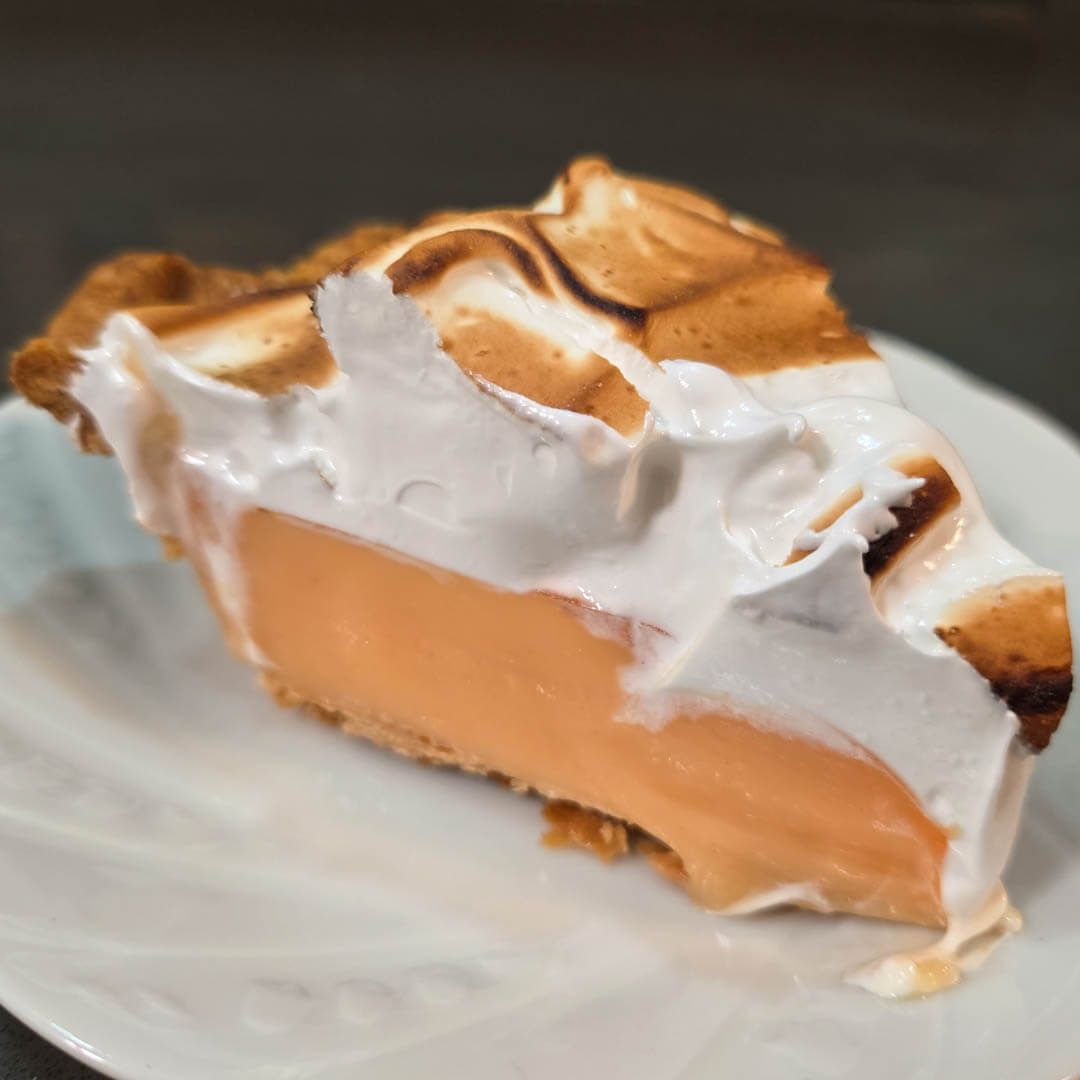
Grapefruit meringue pie is a citrus curd pie, which means it follows the same basic formula as lemon meringue pie: a homemade citrus curd filling set inside a pie crust and topped with a fluffy, toasted meringue. The biggest difference is that this recipe swaps out the lemon curd for a homemade grapefruit curd made from fresh grapefruit juice. The result is a filling that’s sweet and tart, with a softer, more floral flavor than you get from lemon. It’s a little gentler and a little more complex.
Like most meringue pies, grapefruit meringue pie is most often made in a flaky all-butter pie crust, but the grapefruit curd filling will set beautifully in just about any crumb crust as well. On top, a sweet, billowy, toasted meringue pulls the whole thing together.
History of Grapefruit Meringue Pie
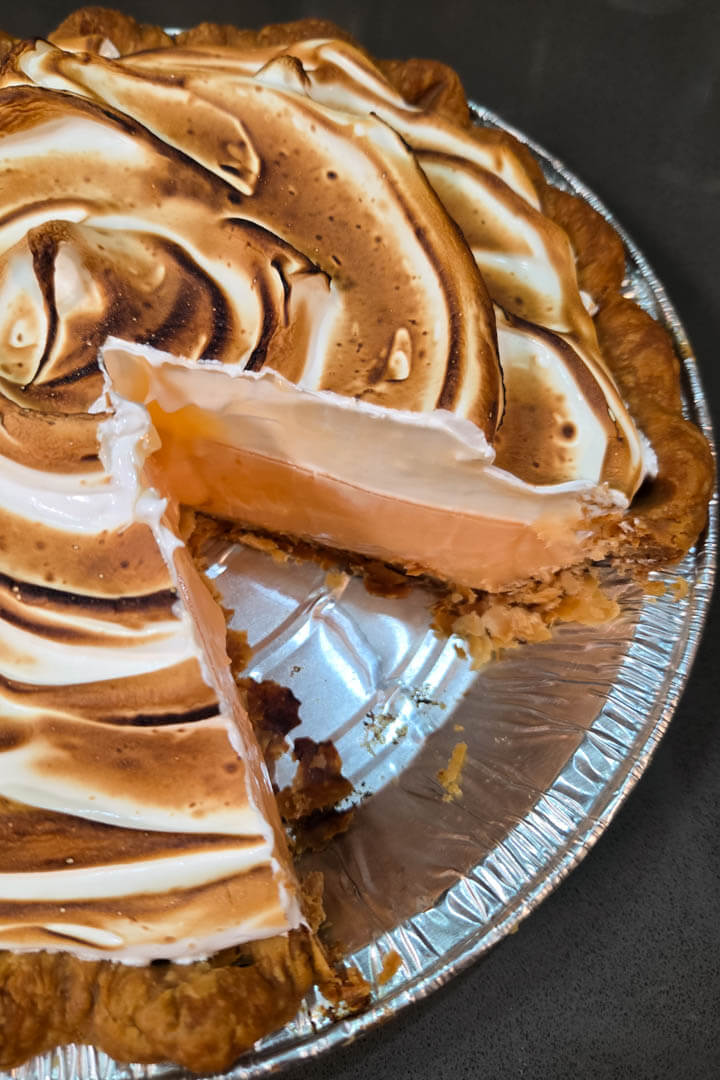
Grapefruit meringue pie was never exactly a household name, but it did pop up with some surprising consistency throughout the early and mid 1900s. Then, somewhere around the late 1990s, it largely disappeared from cookbooks, newspapers, and the early corners of the internet alike. It resurfaced around 2006, when a few food bloggers here and there started writing about it as a novel twist on lemon meringue pie. (In reality, I wouldn’t consider it novel but rather old-fashioned, then potentially nearly extinct, and then rediscovered).
One extremely interesting very old blog post that piqued my interest, was a mention of grapefruit meringue pie in a post for cantaloupe meringue pie.
To understand where grapefruit meringue pie fits into history, it helps to start with lemon meringue pie, which has one of the best-documented histories of any American dessert. Lemon meringue pie has been around since at least 1847, and very likely earlier. The first de facto recipe for lemon meringue pie was published in The Lady’s Receipt-Book: A Useful Companion for Large or Small Families. Lemon meringue pie itself is credited to Mrs. Elizabeth Goodfellow who opened the first cooking school in America.
Many early recipes for lemon meringue pie called the dessert “lemon cream pie.” I searched for “grapefruit cream pie” to see if there were any recipes pre-dating the first mentions I could find for “grapefruit meringue pie” that followed the older naming conventions, but it didn’t unearth much of anything.
The first mention for a grapefruit meringue pie I can find is in a December 1922 issue of The Evening Independent from St. Petersburg, Florida. This makes sense considering Florida’s history of growing citrus. The first mention I can find of grapefruit meringue pie in a published book is in 800 Proved Pecan Recipes published in 1925. (To be honest, not where I expected to find a grapefruit meringue pie mentioned). The recipe in The Evening Independent is very much what we would expect from a citrus meringue pie today: a homemade citrus custard in a flaky pie crust topped with a toasted meringue.
After the 1920s, grapefruit meringue pie continued to surface here and there, sporadically but steadily, all the way through the 1990s. A recipe for grapefruit meringue pie was even included in Southern Living’s annual collection of recipes in 1996. But despite more than a century of occasional appearances, it never really broke through into mainstream American baking. At any point in its history, a grapefruit meringue pie would have been considered a pretty unusual dessert.
Step-by-Step Grapefruit Meringue Pie Recipe
Crust:
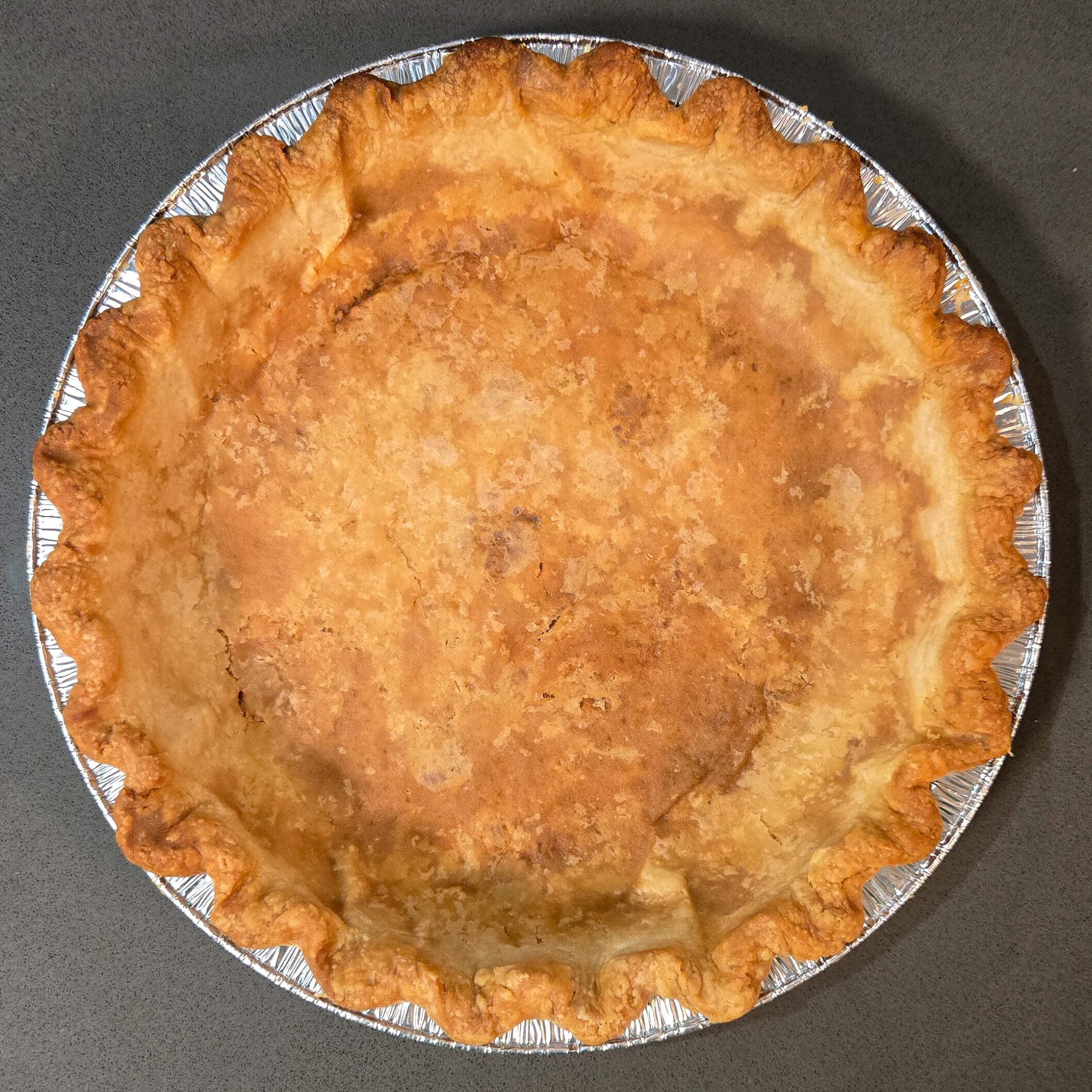
A fully blind-baked, flaky all-butter pie crust is the classic choice for a meringue pie. That said, the grapefruit curd will set up nicely in just about any kind of pie crust. If you prefer, you can make a grapefruit meringue pie with a crumb crust, like graham cracker crust, instead of a pastry crust.
Grapefruit Curd Recipe
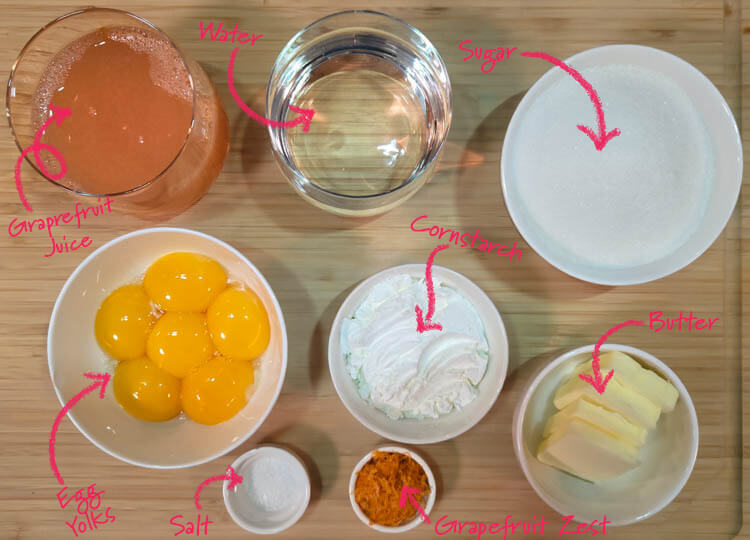
Ingredients
- 1c Grapefruit Juice (237mL)
- 1c Water (237mL)
- 1¼c Granulated Sugar (250g)
- ¼t Salt
- 1T Grapefruit Zest
- 6 Egg Yolks
- ⅓c Cornstarch (42g)
- 3½T Unsalted Butter, cubed (50g)
- Pink Gel Food Coloring (optional)
1.
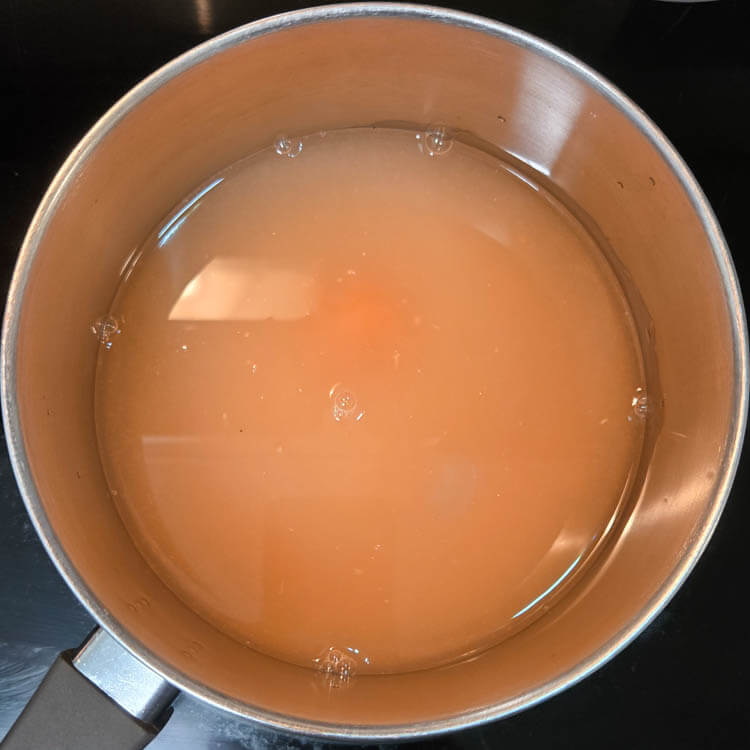
In a heavy-bottomed saucepan (1.5qt is ideal), combine the grapefruit juice, water, sugar, salt, and grapefruit zest. Place over low heat.
2.
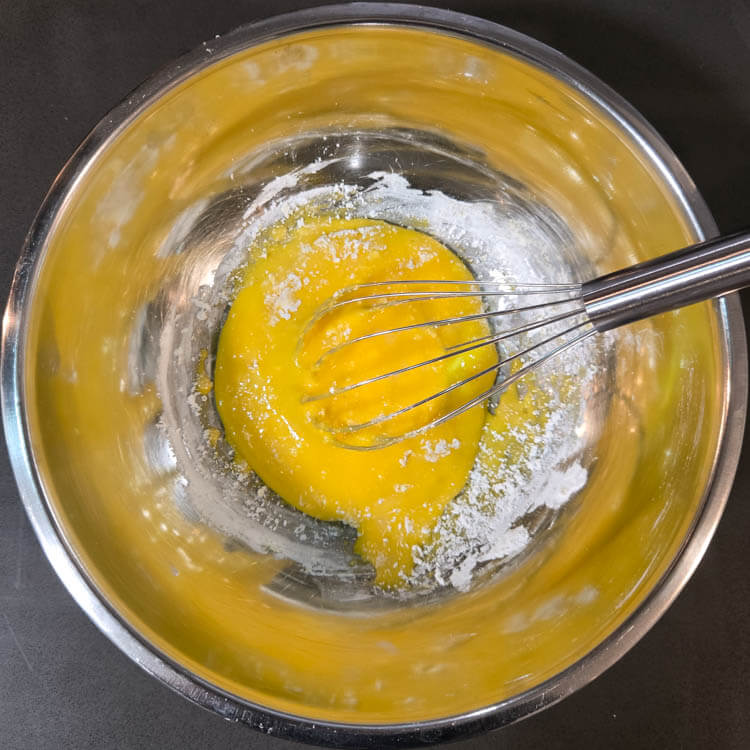
While the mixture warms, whisk together your egg yolks and cornstarch in a medium bowl. Make sure the bowl is large enough to hold the yolks, cornstarch, and eventually the grapefruit juice mixture from above.
3.
Increase the heat on the saucepan to medium and bring the mixture to a boil.
4.
Once the mixture begins boiling, temper the egg yolks by slowly streaming the hot liquid into the yolk mixture while whisking vigorously. This prevents the eggs from scrambling.
5.
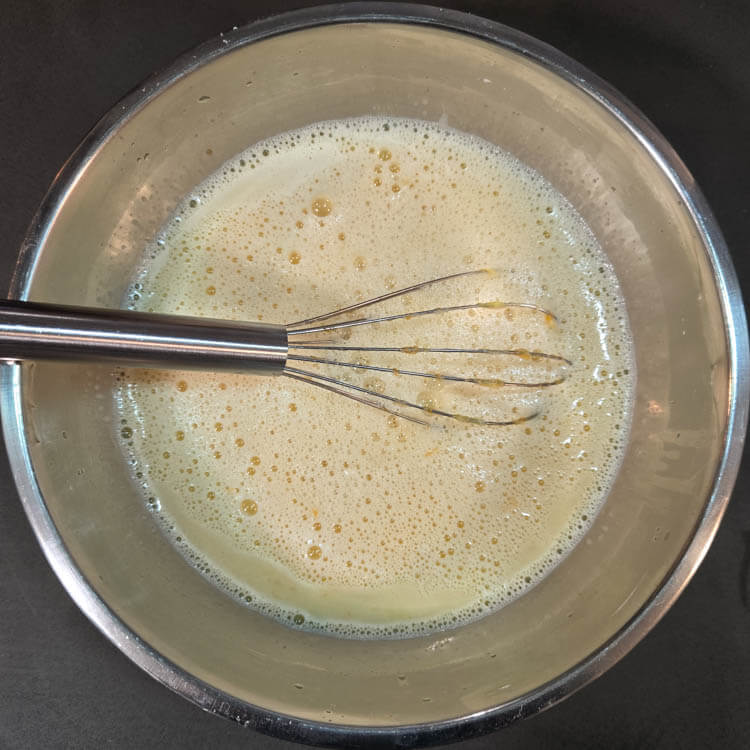
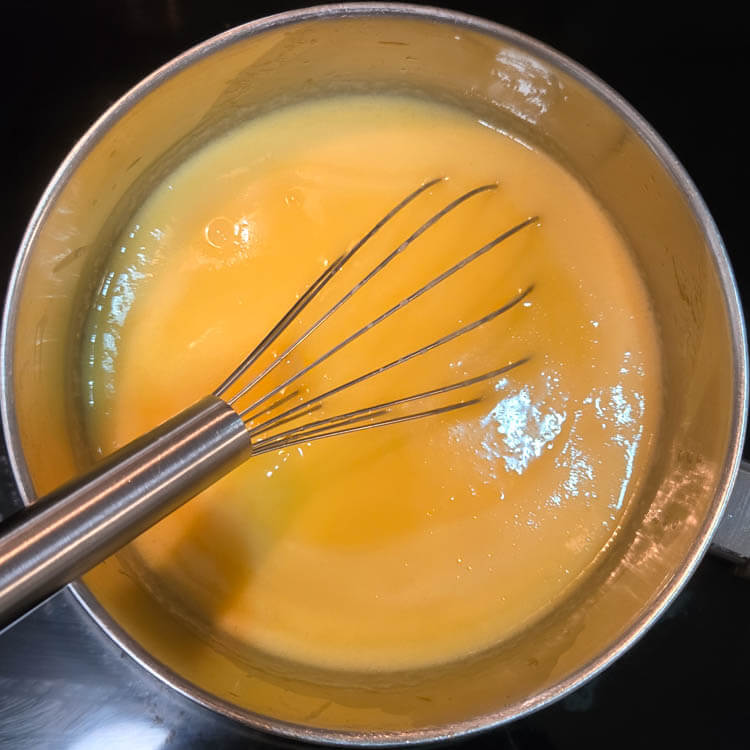
Return the tempered mixture to the saucepan over medium-low heat. Whisk constantly, scraping the bottom of the pan to prevent scorching. The mixture will begin to thicken.
6.
As soon as the mixture returns to a boil, whisk vigorously for 60 seconds, then remove from heat.
7.
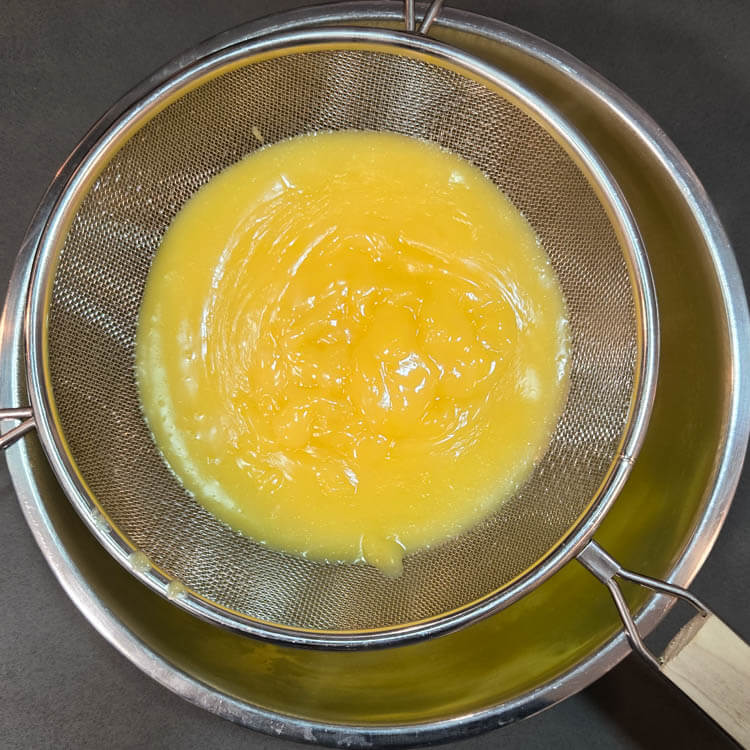
Strain the grapefruit curd through a fine-mesh sieve into a clean bowl to remove any lumps, cooked egg, and zest.
8.
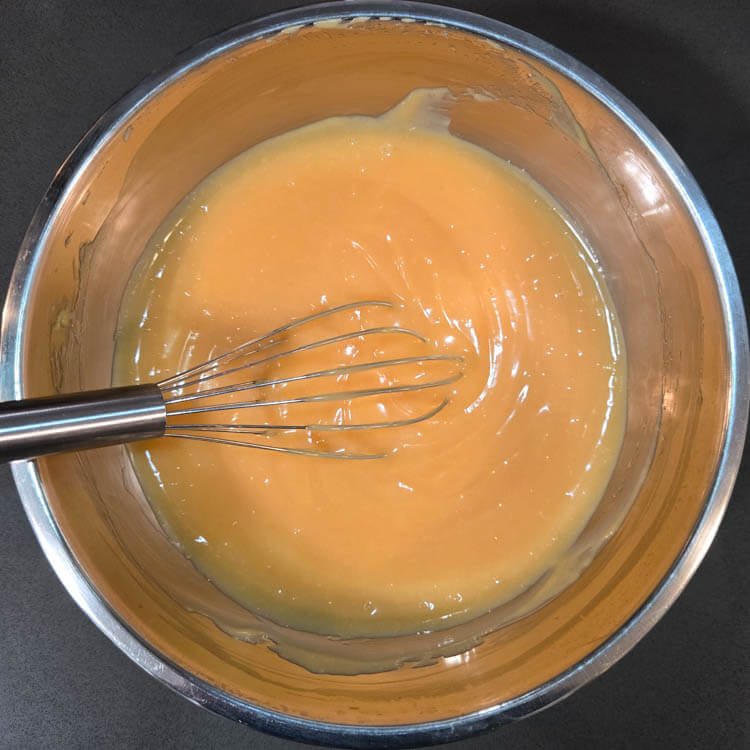
Whisk in the butter until fully melted and smooth. If you want your grapefruit curd to have a more orange or pink color rather than a bright yellow color from the egg yolks, also add a couple drops of pink gel food coloring during this step.
9.
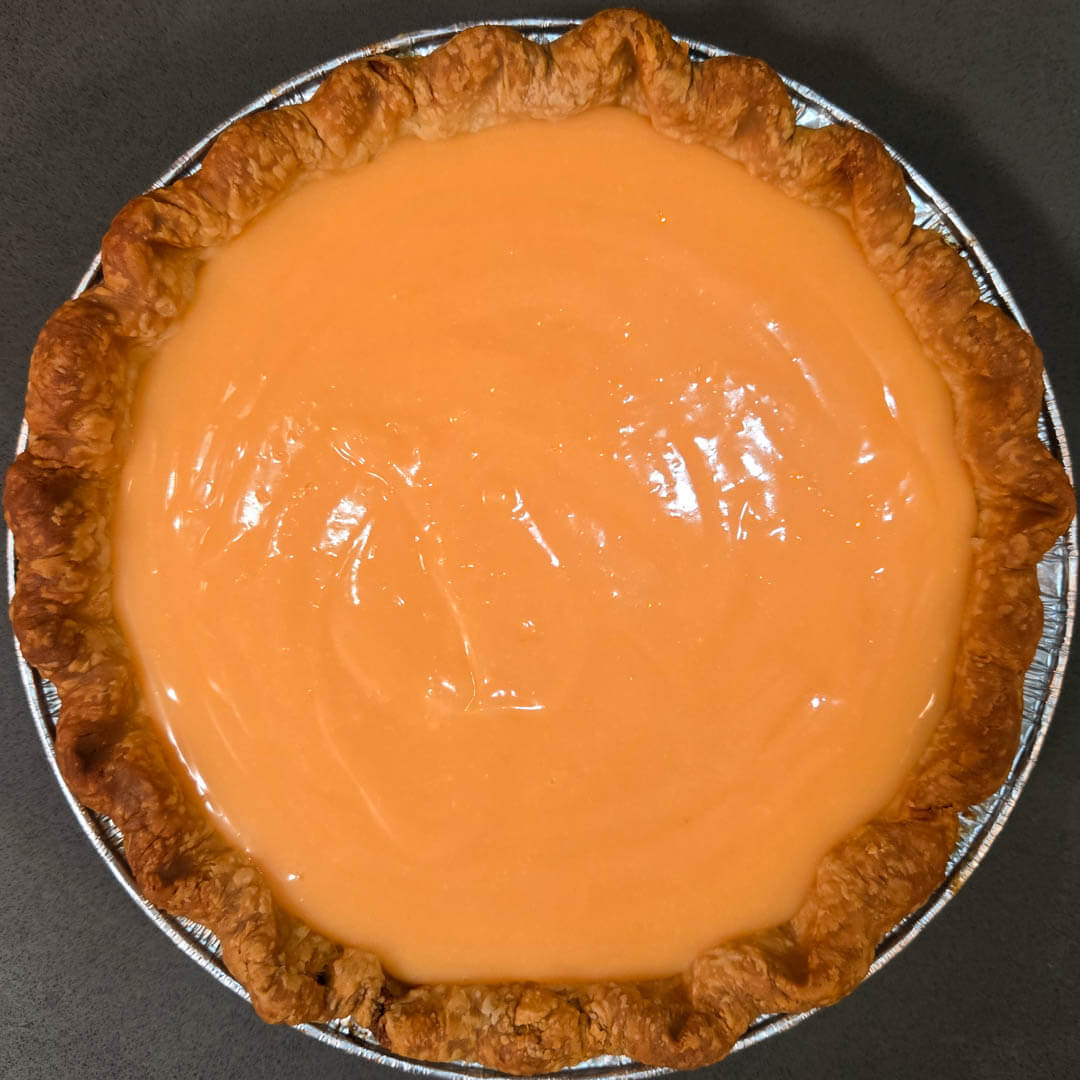
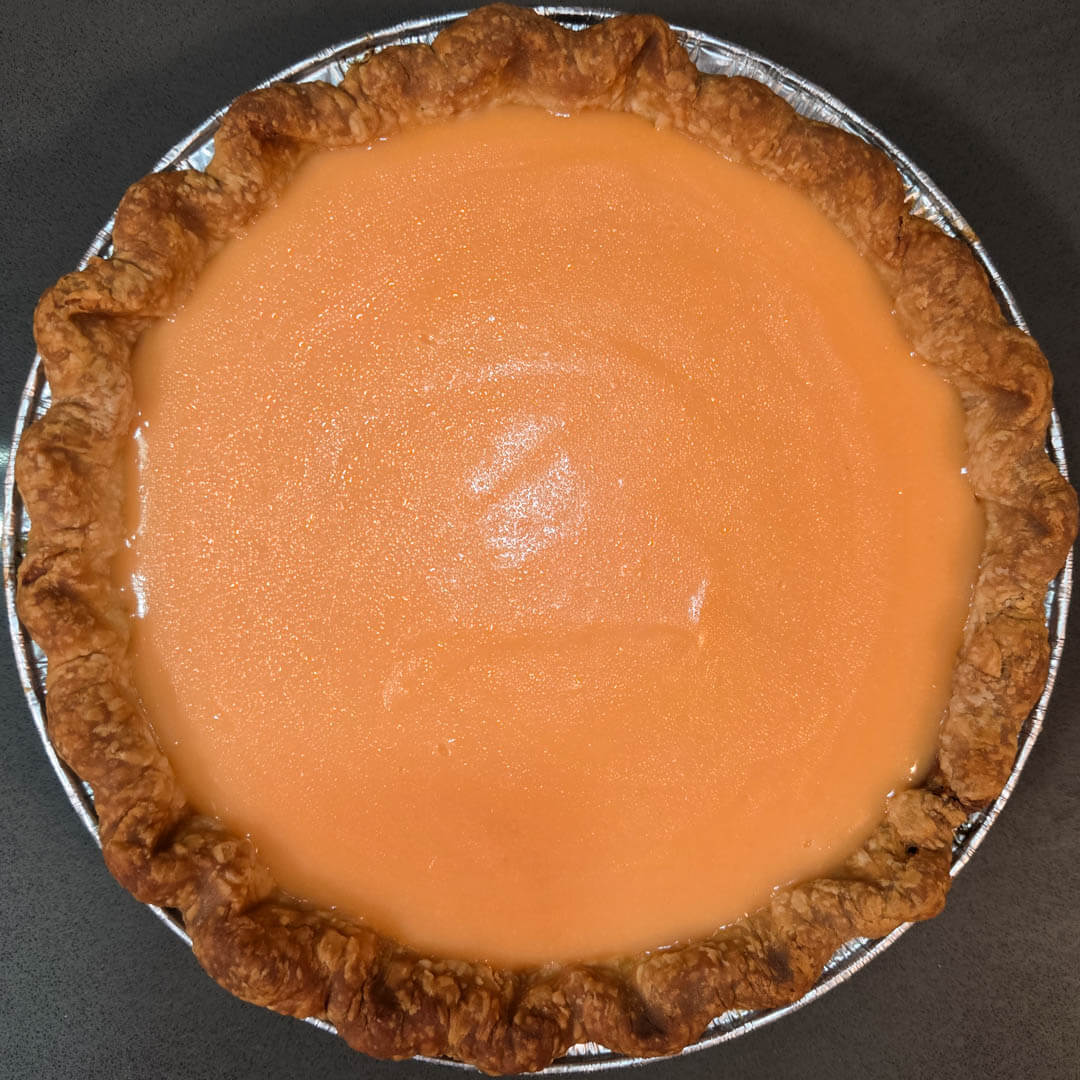
Pour the hot grapefruit curd into the prepared pie crust. Gently jiggle the pie as you pour to create a smooth, even surface.
10.
Refrigerate for at least 3 hours, until fully set.
Meringue Topping Recipe
Note: For a deep dive into the science and history behind meringue along with a detailed guide on how to make meringue, see my post here.
Ingredients
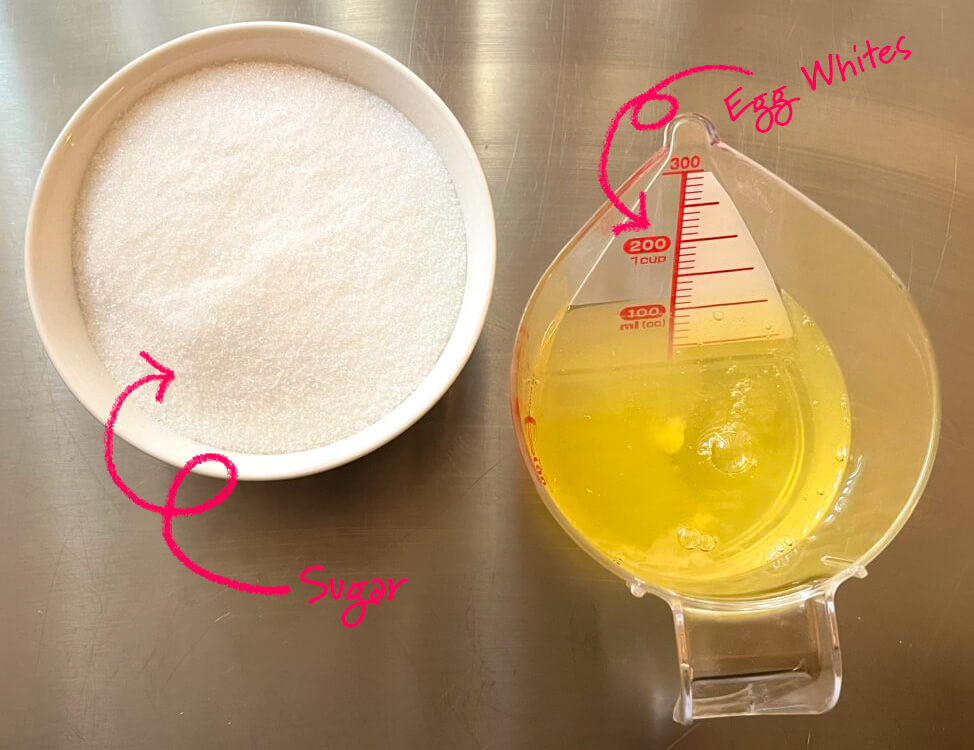
- 3 large egg whites
- ¾ cup sugar (150g)
- ¼t cream of tartar (optional)
Note: Adding ¼ teaspoon of cream of tartar helps stabilize the meringue even further. Swiss meringue is already quite stable on its own, so this ingredient is optional and you can still achieve excellent results without it.
1.
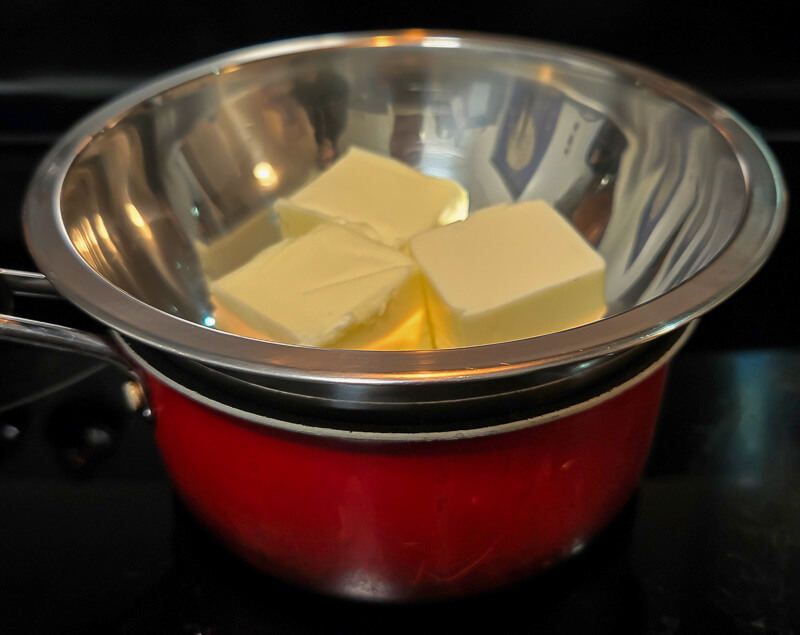
Set up a double boiler by filling a pot with 1 to 2 inches of water and placing a heatproof bowl on top. The bowl should be slightly larger than the pot, with its bottom hovering just above the water. Bring the water to a boil over medium heat.
2.
In the heatproof bowl, whisk together the egg whites, sugar, and optional cream of tartar. Keep the bowl over the double boiler and whisk gently until the mixture reaches 160°F (71°C), using a candy thermometer to check the temperature.
3.
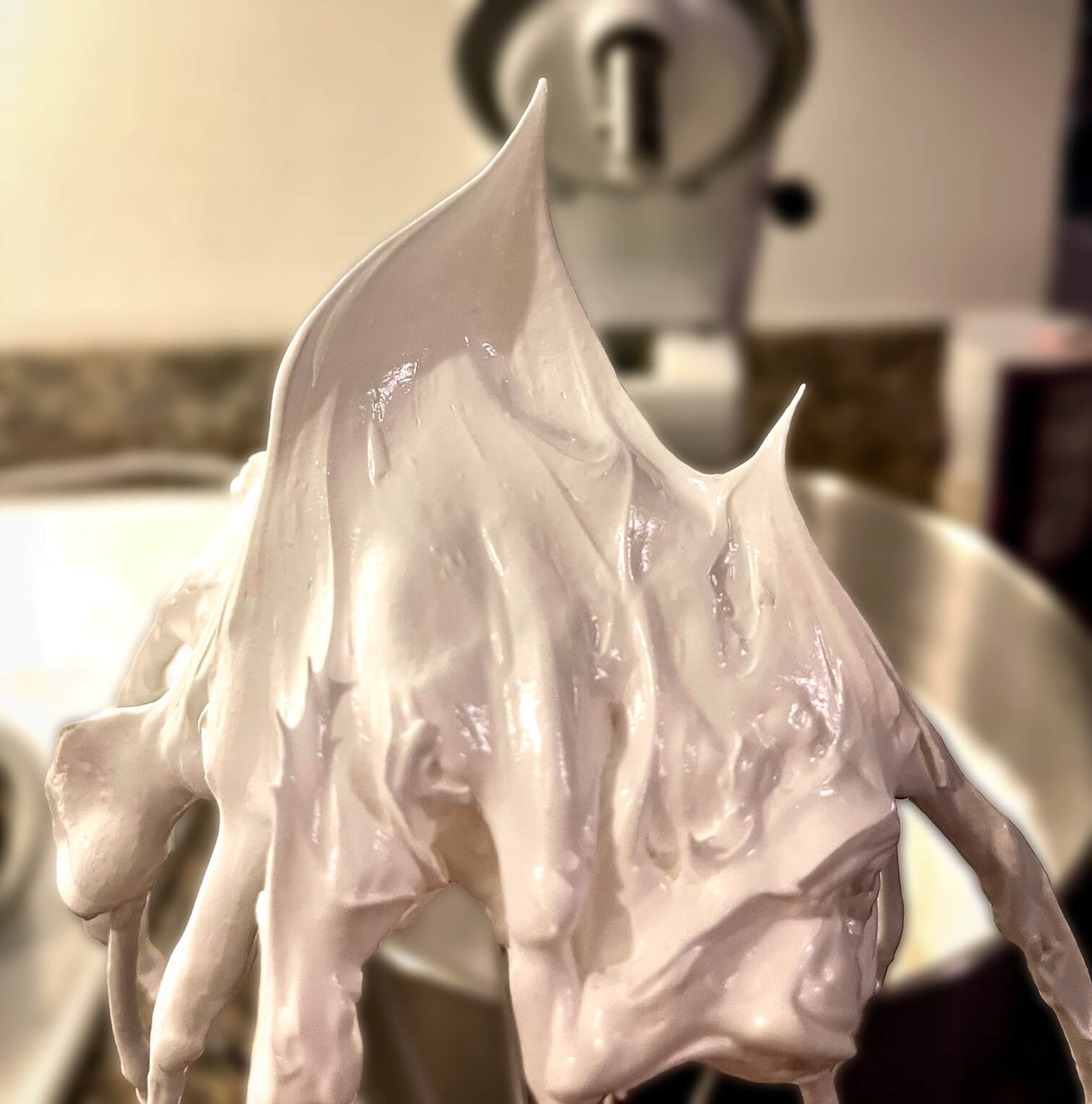
Immediately transfer the mixture to a stand mixer fitted with a whisk attachment. Whip on high speed until stiff peaks form.
4.
Spread the meringue evenly over the chilled grapefruit curd, making sure to seal the edges where the meringue meets the crust.
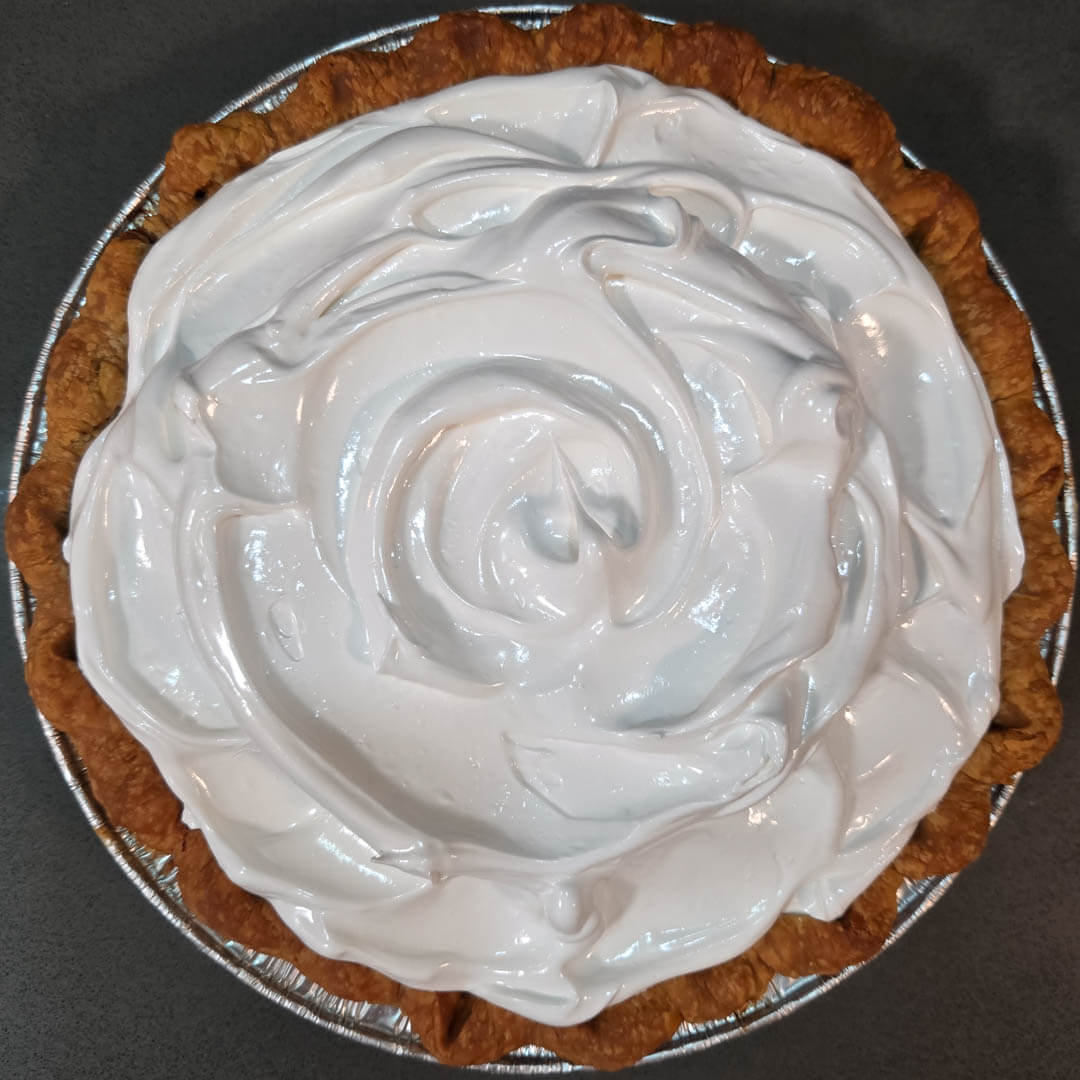
5.
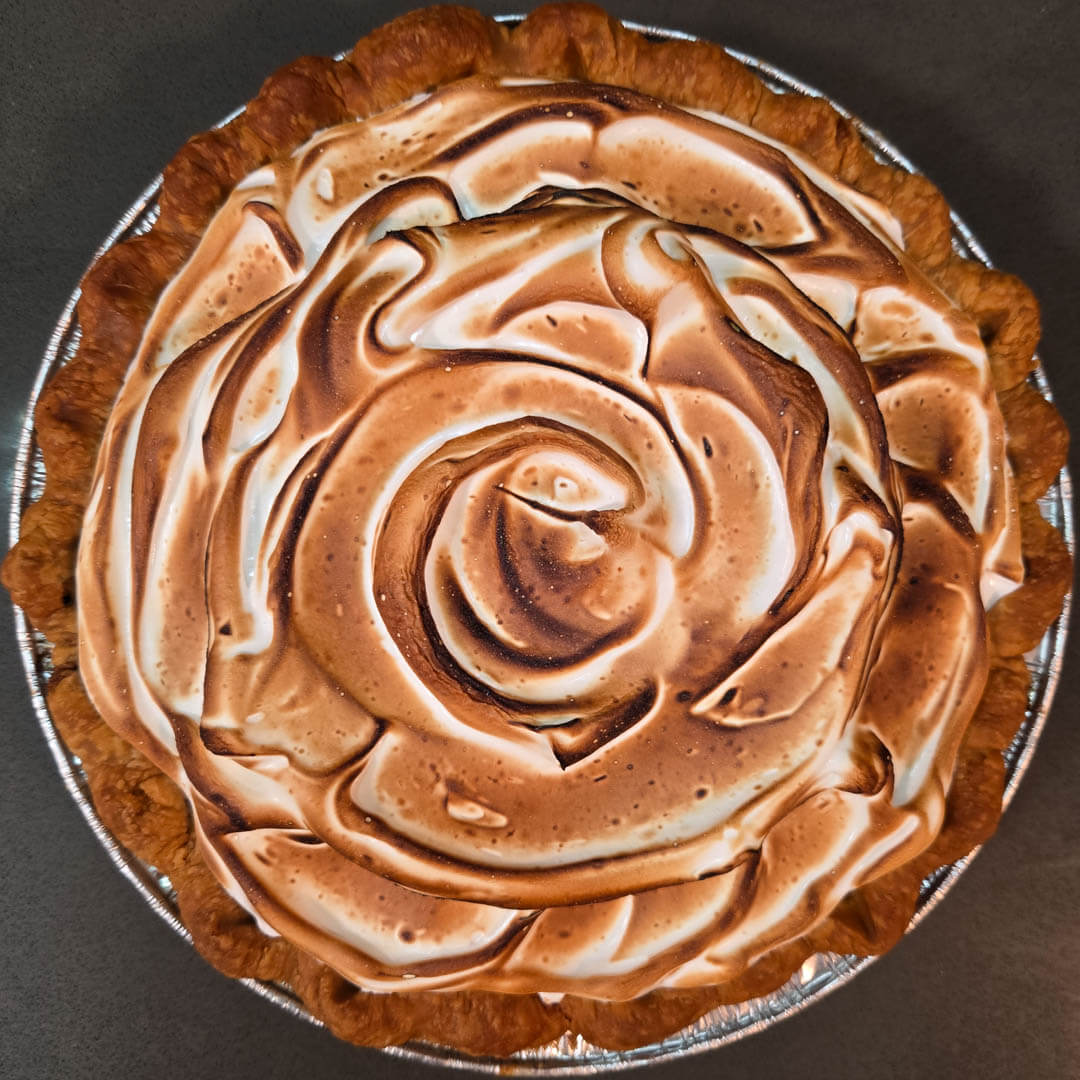
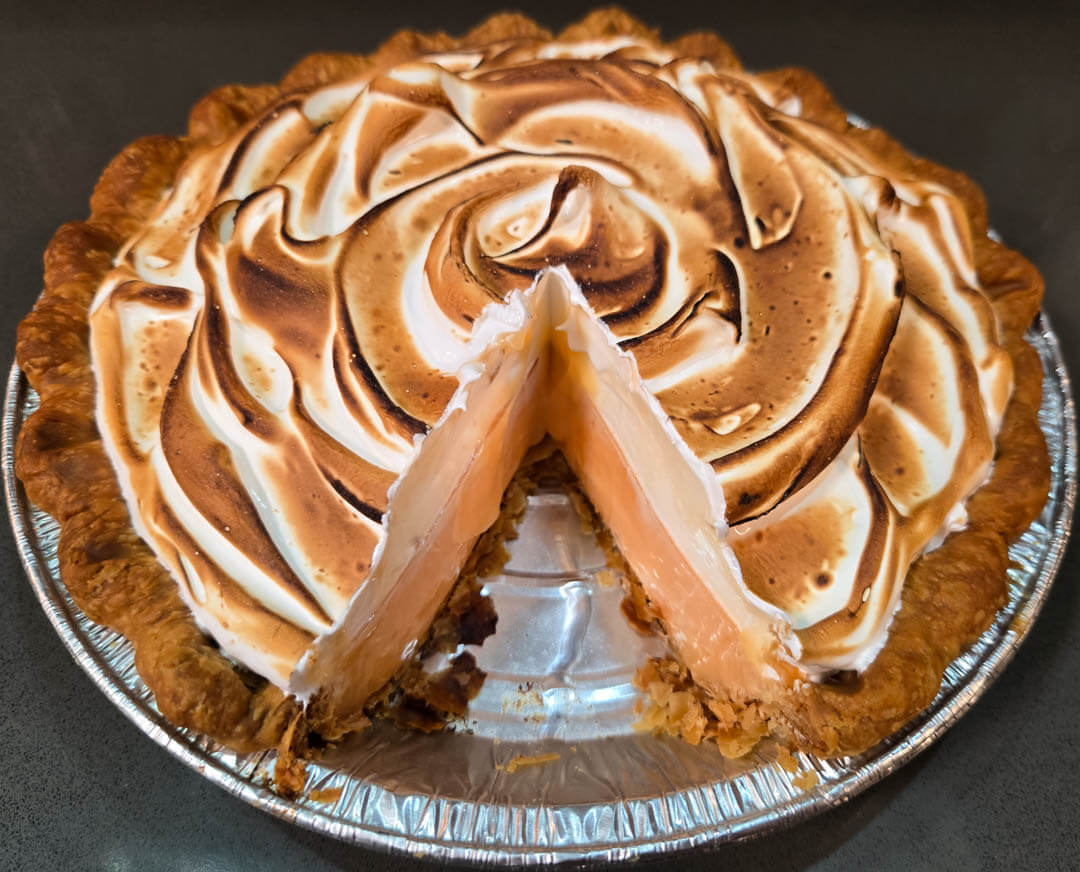
Toast the meringue:
- Torch Method (recommended): Use a kitchen torch to brown the peaks of the meringue quickly and evenly.
- Broiler Method: Place the pie under the broiler, watching carefully, until the meringue begins to turn a golden brown (3-5 minutes).
- Baking Method: Bake the pie at 350°F for 10–15 minutes, until the meringue begins to brown.
Tempering Eggs: Making Foolproof Curds, Puddings, and Pastry Creams
Tempering eggs is one of the most important techniques in custard-style desserts like curds, puddings, and pastry creams. These recipes all rely on gentle, even cooking to turn eggs into a smooth, thickened filling instead of a lumpy, overcooked one. Tempering is the step that keeps everything silky and stable, preventing your mixture from turning into grapefruit scrambled eggs along the way (unless that’s your thing – no judgment). For a full breakdown on the science and methods for tempering eggs, see this post here.
What is Meringue:
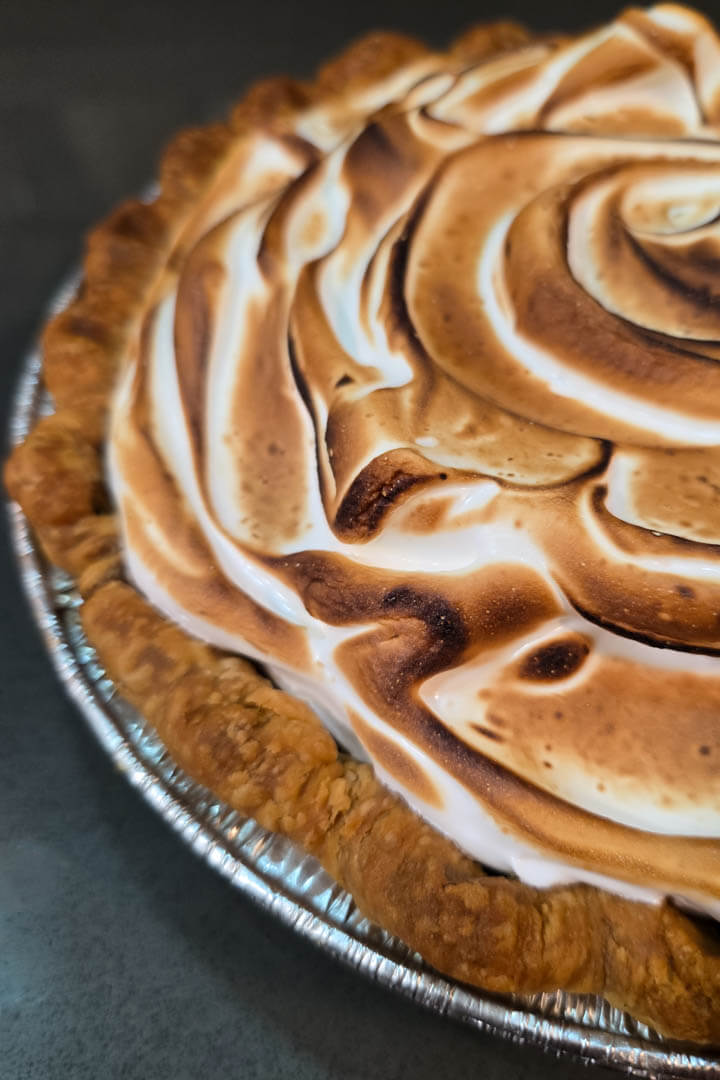
Meringue is simply egg whites whipped with sugar. When egg whites are whipped long enough, they form a stable foam that can be piped, spread, or folded into desserts to add lightness, such as mousse and chiffon pies.
Although egg whites can be whipped into a foam on their own, without sugar they will not develop meringue’s characteristic glossy appearance, and the foam will be far less stable. When piped and baked on its own, meringue is a dessert in its own right. It is also the primary component of the cookie shells used to make macarons.
To learn about the different types of meringue, how to keep meringue stable, troubleshooting meringue, the history of meringue, or how to top pies with meringue, see my guide to meringue topping for pies here.
Other Meringue Pie Recipes
Meringue pies are quite a large and popular category of pies. Lemon meringue pie is probably the most recognizable of all meringue pies, but there are many other delicious meringue pies worth trying.
- Lemon Meringue Pie: The most iconic and recognizable meringue pie there is. Lemon meringue pie is a bright, tangy lemon curd filling set inside a flaky pie crust and finished with a toasted meringue topping. It was created in Philadelphia in the early 1800s and has been an American classic ever since.
- Chocolate Meringue Pie: An old-fashioned pie and the predecessor of a modern chocolate cream pie. Back before home refrigeration became commonplace and cream was still expensive, cream pies were typically topped with a toasted meringue.
- Canadian Flapper Pie: A nearly forgotten Canadian recipe from the early 1900s, flapper pie is a simple vanilla custard filling set inside a graham cracker crust and topped with a toasted meringue.
- Irish Apple Amber: A traditional Irish pie filled with a smooth, applesauce-style custard filling and topped with a toasted meringue.
- Orange Meringue Pie: The juice of pretty much any citrus can be turned into a delicious curd. These citrus curds can be used to fill pie crusts and topped with a toasted meringue. Orange curd can be used as a pie filling to make orange meringue pie which is sweeter and less tart than lemon meringue pie.
- Fruit Pies with Meringue Toppings: Most baked fruit pies can actually be made as a meringue-topped pie. Instead of finishing the pie with a top crust or a crumb topping, the baked fruit filling gets topped with a fluffy, toasted meringue. It’s a classic and old-fashioned way to finish a fruit pie that fell out of fashion but is absolutely worth reviving.
Additionally, there are many other pies where it is popular to top the pie with a toasted meringue topping. These pies include:
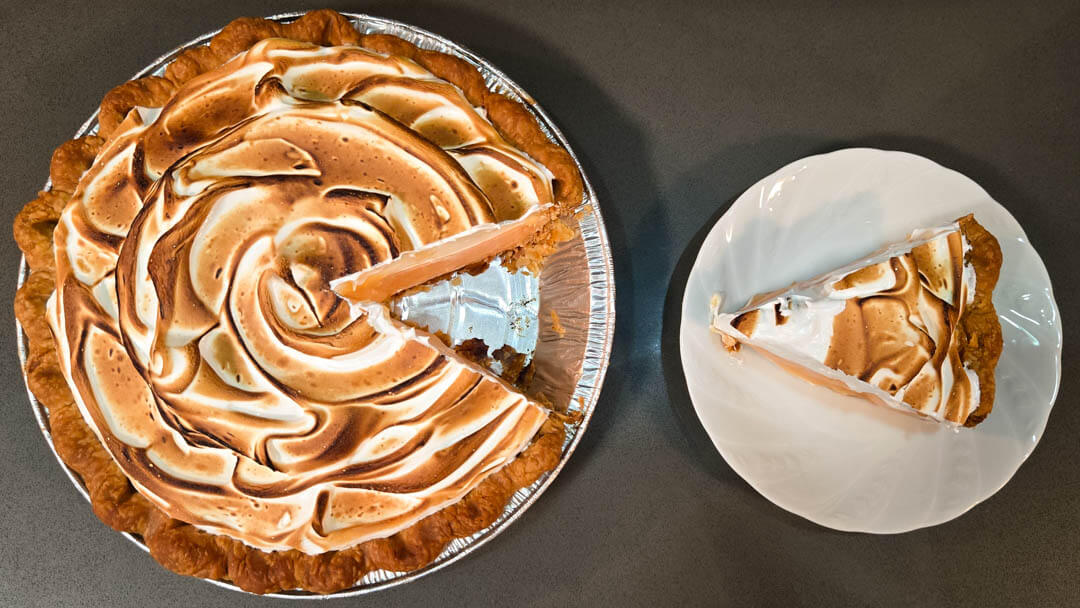
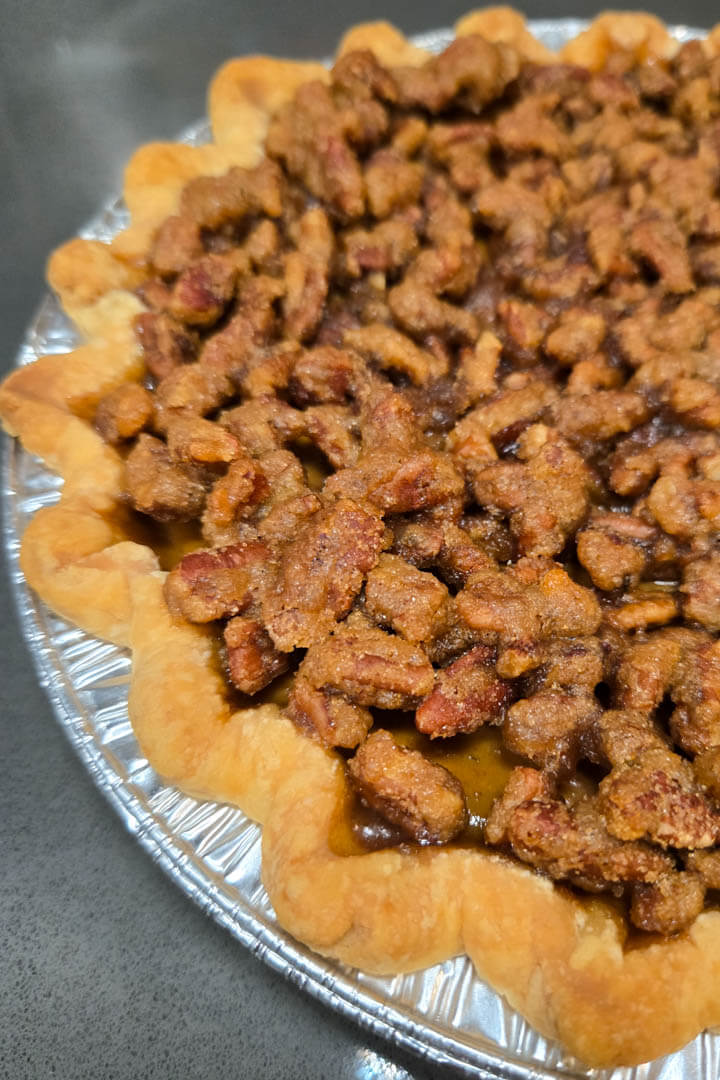
- Pumpkin Pie: Pumpkin pie is one of the most well known and popular pies in the US. There are many variations with all sorts of toppings: praline, crumble, pie crust cutouts, whipped cream, and, yes, toasted meringue.
- Key Lime Pie: Key lime pie is customarily topped with either whipped cream or a toasted meringue.
- Sweet Potato Pie: Just like pumpkin pie, sweet potato pie can also be topped with a number of different toppings including whipped cream, toasted marshmallow fluff, and toasted meringue.

How to Store Grapefruit Meringue Pie
Grapefruit meringue pie needs to be chilled for at least 3 hours before serving to give the grapefruit curd time to fully set. Fruit curds are best served cold, so plan to keep the pie in the refrigerator right up until you’re ready to slice it.
Although the grapefruit curd will last for many days, the meringue topping doesn’t keep very well even though we do our best to stabilize it. If you need to make this grapefruit meringue pie in advance, wait to top the pie with meringue until the day that you serve the pie. The grapefruit curd and pie crust will last for up to five days in the refrigerator, but the meringue topping will begin to weep after even just one day. To store the untopped grapefruit meringue pie, wrap the pie in plastic wrap and store in your refrigerator.

We’d love to see your grapefruit meringue pie creations! If you give this recipe a try, tag @doggone_baking on social media so we can share in the baking fun.

Grapefruit Meringue Pie
Ingredients
Crust
Grapefruit Curd
- 1 cup Grapefruit Juice (237mL)
- 1 cup Water (237mL)
- 1¼ cup Granulated Sugar (250g)
- ¼ tsp Salt
- 1 tbsp Grapefruit Zest
- 6 Egg Yolks
- ⅓ cup Cornstarch (42g)
- 3½ tbsp Unsalted Butter, cubed (50g)
- Pink Gel Food Coloring optional
Meringue Topping
- 3 Egg Whites
- ¾ cup Granulated Sugar (150g)
- ¼ tsp Cream of Tartar optional
Instructions
Make the Grapefruit Curd
- In a heavy-bottomed saucepan (1.5qt is ideal), combine the grapefruit juice, water, sugar, salt, and grapefruit zest. Place over low heat.
- While the mixture warms, whisk together your egg yolks and cornstarch in a medium bowl. Make sure the bowl is large enough to hold the yolks, cornstarch, and eventually the grapefruit juice mixture from above.
- Increase the heat on the saucepan to medium and bring the mixture to a boil.
- Once the mixture begins boiling, temper the egg yolks by slowly streaming the hot liquid into the yolk mixture while whisking vigorously. This prevents the eggs from scrambling.
- Return the tempered mixture to the saucepan over medium-low heat. Whisk constantly, scraping the bottom of the pan to prevent scorching. The mixture will begin to thicken.
- As soon as the mixture returns to a boil, whisk vigorously for 60 seconds, then remove from heat.
- Strain the grapefruit curd through a fine-mesh sieve into a clean bowl to remove any lumps, cooked egg, and zest.
- Whisk in the butter until fully melted and smooth. If you want your grapefruit curd to have a more orange or pink color rather than a bright yellow color from the egg yolks, also add a couple drops of pink gel food coloring during this step.
- Pour the hot grapefruit curd into the prepared pie crust. Gently jiggle the pie as you pour to create a smooth, even surface.
- Refrigerate for at least 3 hours, until fully set.
Make the Meringue Topping
- In a mixing bowl set over a double boiler, whisk together the egg whites and sugar.
- Continue whisking the mixture slowly until a candy thermometer reads 160°F (70℃).
- Immediately remove the bowl from heat, and whip on high speed with a stand mixer until stiff peaks form.
- Spread the meringue evenly over the chilled grapefruit curd, making sure to seal the edges where the meringue meets the crust.
- Using a kitchen torch, brown the meringue until it is a golden brown. Alternatively, bake the pie at 350℉ (175℃) or put the pie under a broiler until the meringue becomes a golden brown color.
- Slice and serve!


About Me
In 2016, I left my office job and became a professional baker. These days I spend my days testing recipes and baking pies while my two dogs snooze happily nearby.

Leave a Reply