
This post may contain affiliate links. Please read my disclosure policy.
All recipes on Doggone Baking are intended for humans — the dogs are just our enthusiastic photo assistants and taste-test spectators.
Crumb Crust for Pie | The Ultimate Guide to Pie Crust Series
What is a Crumb Crust for Pie?
A crumb crust is a pie crust made by grinding cookies or crackers into fine crumbs, mixing them with a little sugar and melted butter, and pressing the mixture into a pie pan. Unlike traditional pastry crusts, crumb crusts don’t require rolling, shaping, or blind baking, which makes them much simpler and more approachable for beginner bakers. They are especially popular for cream pies, custard pies, and no-bake pies, where their crisp, sweet base is a perfect contrast to smooth, creamy fillings.

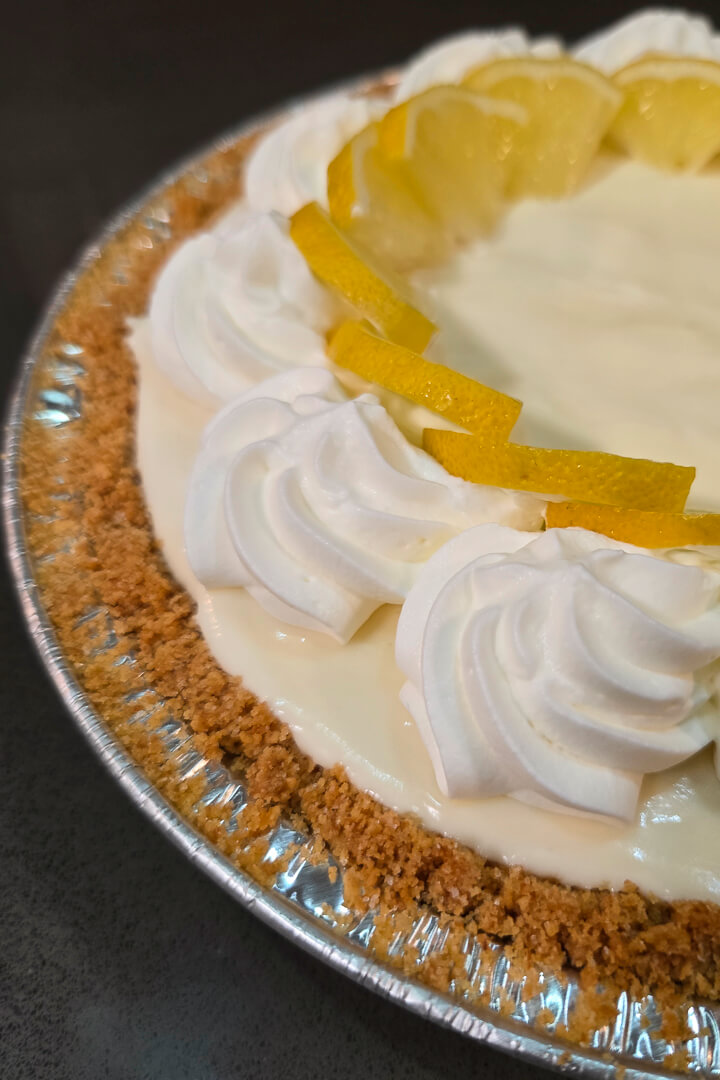
The History of Crumb Crusts and Graham Cracker Crust
The first and still the most popular pie crust made with cookie or cracker crumbs is graham cracker crust. Graham cracker crusts rose to popularity with the boom of icebox pies in the mid-1900s. Other crumb crusts for pie quickly began emerging based on the popular graham cracker crust model.
Monroe Boston Strause, sometimes called “The Pie King of Los Angeles,” is often credited with being the inventor of the graham cracker crust. He even says so himself in his 1939 book Pie Marches On, where he claims that he created the crust to prevent soggy bottoms on custard and cream pies. Strause also claimed to be the creator of the hugely popular category of chiffon pies and even filed a patent for meringue pie in 1949. (He was not the inventor of meringue pies, meringue pies existed long before he was born including the classic lemon meringue pie).
The graham cracker crust Strause describes in Pie Marches On, however, is very different from what we think of today. His version, which he called a “rolled-in graham cracker crust,” involved taking a pastry dough and rolling it over crushed graham crackers so the crumbs stuck to the dough. For custard pies, he coated one side; for cream pies, he coated both. The result was still shaped and handled like a traditional pastry crust, just with graham crumbs worked into the dough.
When we think of graham cracker crust today, rather than a rolled crust, we think of what bakers frequently call a “crumb crust.” The first published recipe I could find for a crumb crust resembling today’s style appeared in the Los Angeles Times on April 13, 1931, in a recipe for French Apple Pie. The first published example of a recipe titled graham cracker crust I found was in a cookbook by Knox Gelatine in 1933. Considering Strause ran a bakery in Los Angeles during the 1920s, it’s possible he did create crumb-style crusts in that period, even if his early versions looked a bit different.
Crumb crusts grew steadily more popular through the 1930s and 1940s because they were quicker and easier than pastry. At the same time, refrigerators were becoming common in American households, and icebox pies (which often use crumb crusts) took off in popularity. The trend peaked in the mid-1950s with the launch of Py-O-My boxed pie mixes. Advertised nationwide, they promised “the complete graham cracker crust and chiffon filling in one package,” and came in flavors like chocolate, lemon, strawberry, and butterscotch.
Note: You can read all about Monroe Boston Strause here.
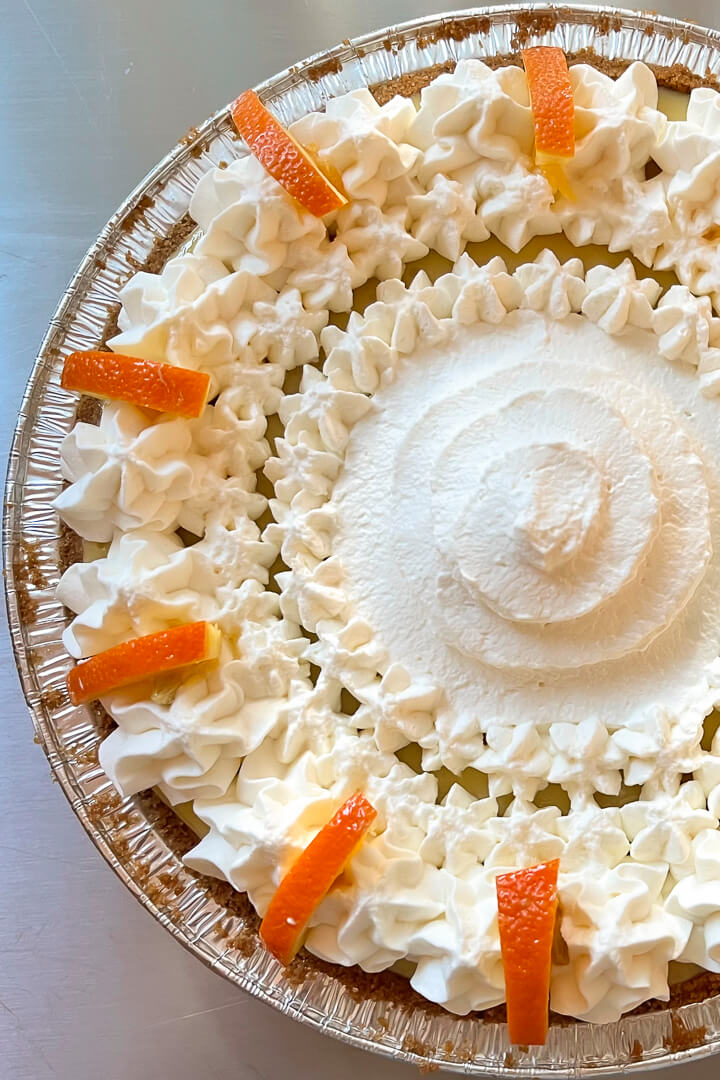
What Kinds of Pie Work Well with a Crumb Crust?
When making a pie, you can often mix and match filling, topping, and crust recipes. For example, you can use the filling for a key lime pie, add a meringue topping instead of whipped cream, and swap out a graham cracker crust for a Biscoff cookie crust. Likewise, if you’re trying to make a recipe easier, you can sometimes substitute a crumb crust in place of an all-butter crust. Chocolate cream pie, for example, becomes much easier to make in an Oreo pie crust instead of a flaky pie crust.
However, not all types of pie work well in a crumb crust. Usually, you can determine whether a crumb crust will work based on how long the filling needs to bake.
Pies That are Best in a Crumb-Based Pie Crust:
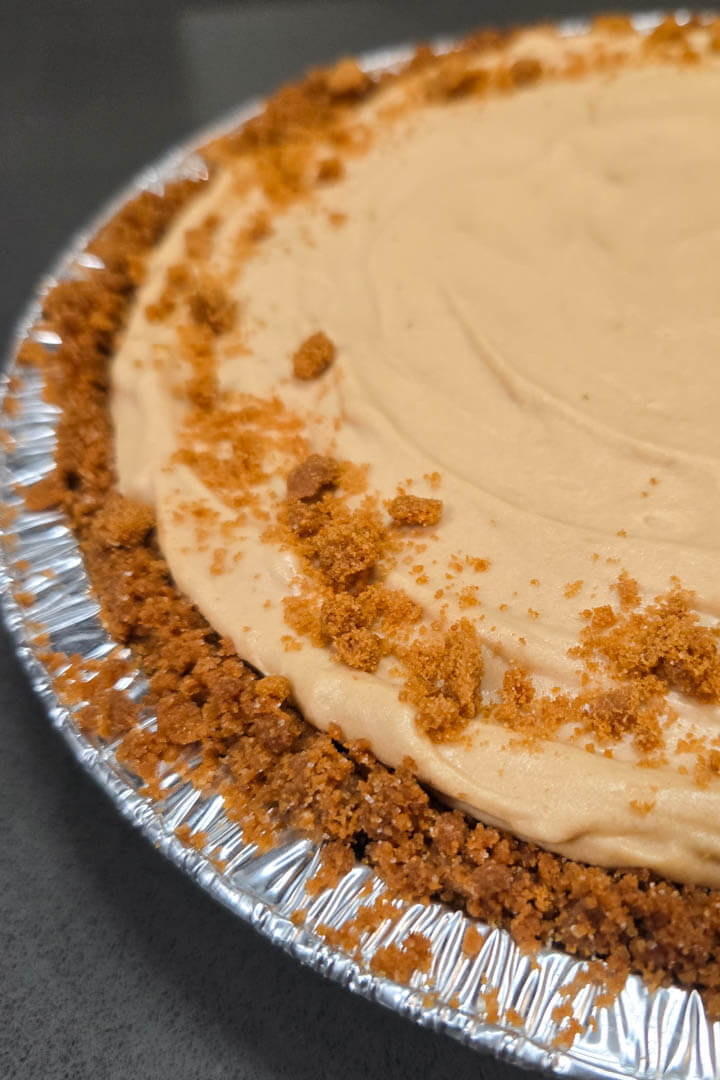
- No-Bake Pies: Crumb crusts don’t have to be baked at all, which makes them the perfect base for no-bake pie fillings! If you want a little extra crispiness, you can pop the crumb crust in an oven preheated to 350°F (175°C) for 8-10 minutes. Examples of no-bake pies include:
- Citrus Icebox Pies: Key lime pie and any riff on key lime pie work really well in a crumb crust. Honestly, these pies need to be in a crumb crust since they just don’t pair particularly well with a pastry crust. Examples include:
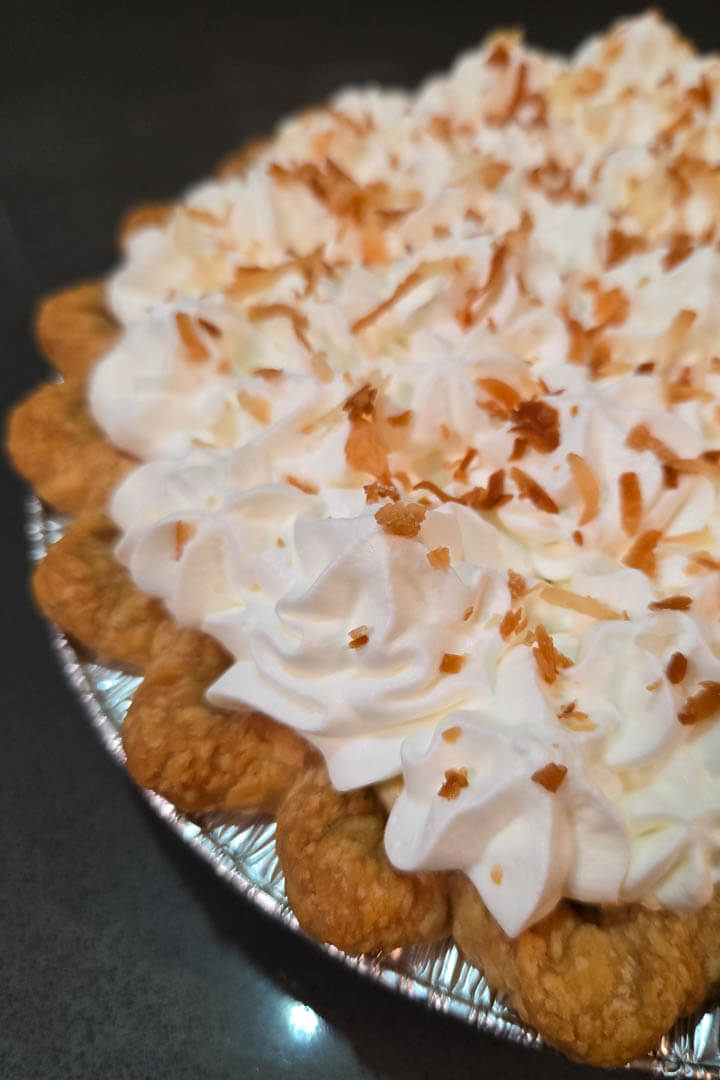
- Cream Pies: Since the filling for cream pies is pudding made either from scratch on the stovetop or with pudding mix, the pie doesn’t need to be baked at all, making cream pies perfect for a crumb crust. Examples include:
- Custard Pies: Custard pies have creamy fillings that bake in the oven for a short period of time, usually less than 45 minutes. Most custard pies can be baked in a crumb crust rather than a pastry crust, though this is about the limit for how long a crumb crust can bake without burning or getting too crispy. Examples of custard pies that work well in a crumb crust:
Pies That Do Not Work Well in a Crumb-Based Pie Crust:
Pies that need to be baked closer to an hour, or more than an hour, generally do not bake very well in crumb crusts.
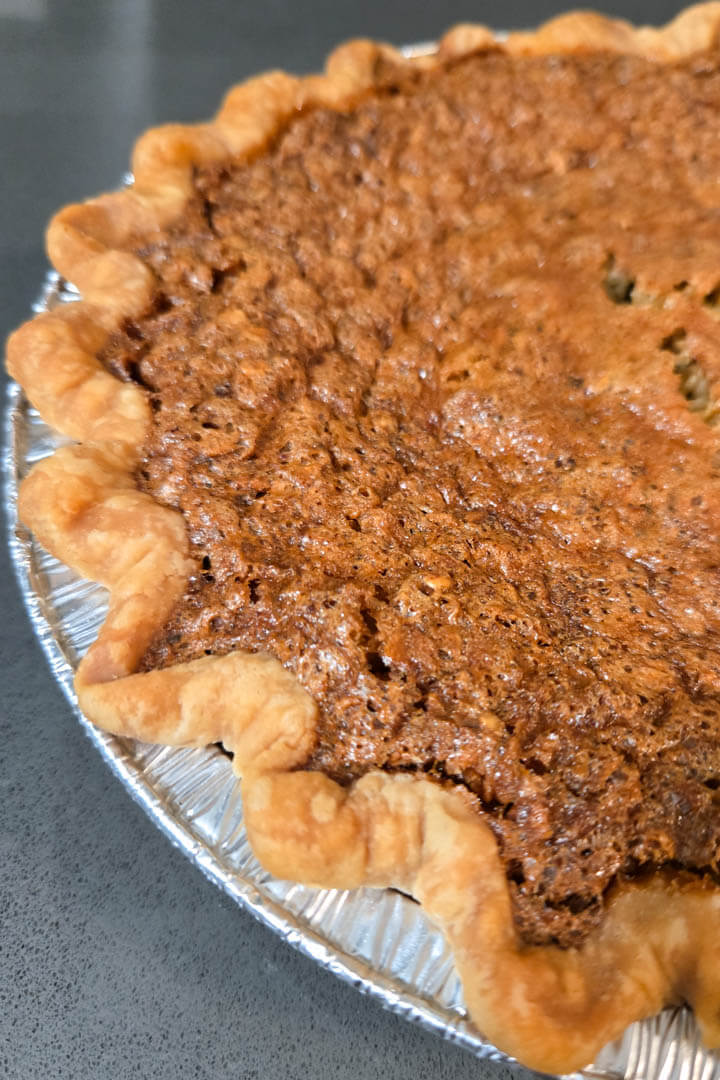
- Nut Pies: Pies like pecan pie and peanut pie are usually baked for a full hour. These pies bake too long for a crumb crust to work well.
- Fruit Pies: Apple pie, blueberry pie, rhubarb pie, and other classic fruit pies do not work in a crumb crust for two reasons. First, these pies usually bake for well over an hour, closer to an hour and a half. Second, the filling can seep through the cracks between the crumbs as it bakes, since fruit pie filling needs to reach a full bubble and boil. This causes the filling to stick to the pie pan and makes slicing and serving the pie extremely difficult.
7 Crumb Crust Recipes for Pie
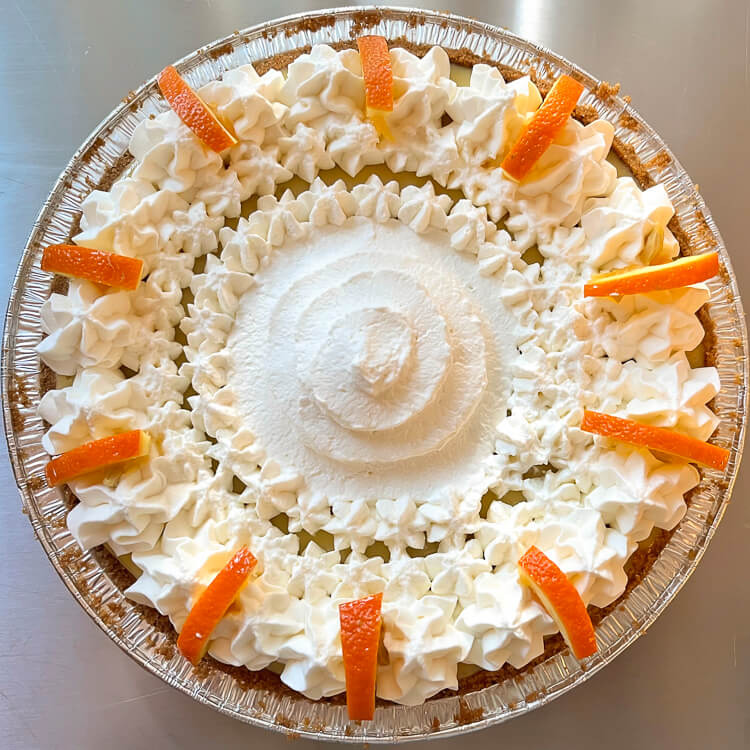
1. Graham Cracker Crust
Graham cracker crust is the most recognizable and iconic crumb crust for pie. Graham cracker crumbs are mixed with sugar and melted butter and then pressed into a pie tin. Graham cracker crust is the most popular crumb crust for key lime pie, cheesecake pies, s’mores pie, and a nearly extinct Canadian pie called flapper pie.
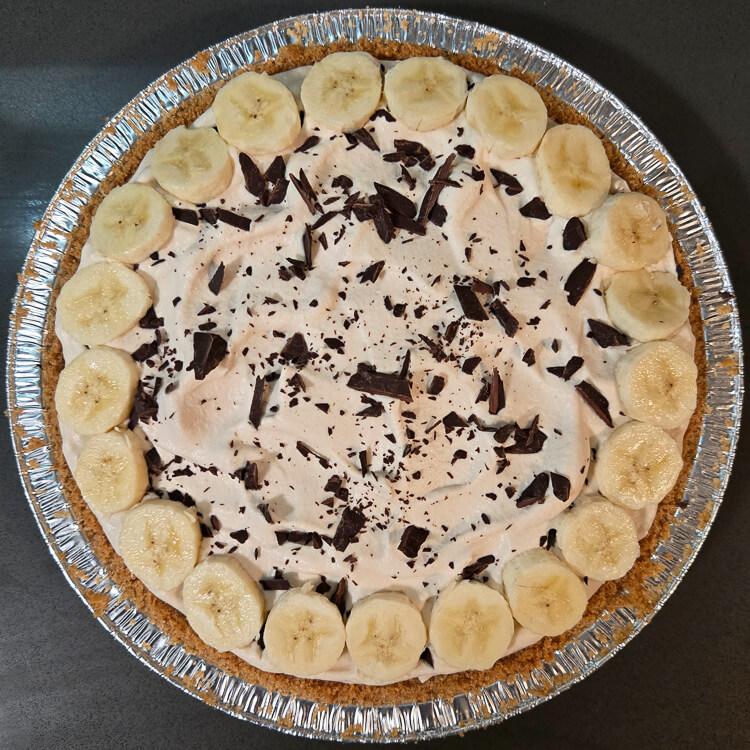
2. Digestive Biscuit Pie Crust
A great alternative to graham cracker crust, digestive biscuits can be used as a substitute for graham crackers. Digestive biscuit pie crust is also the most popular pie crust option for British banoffee pie.
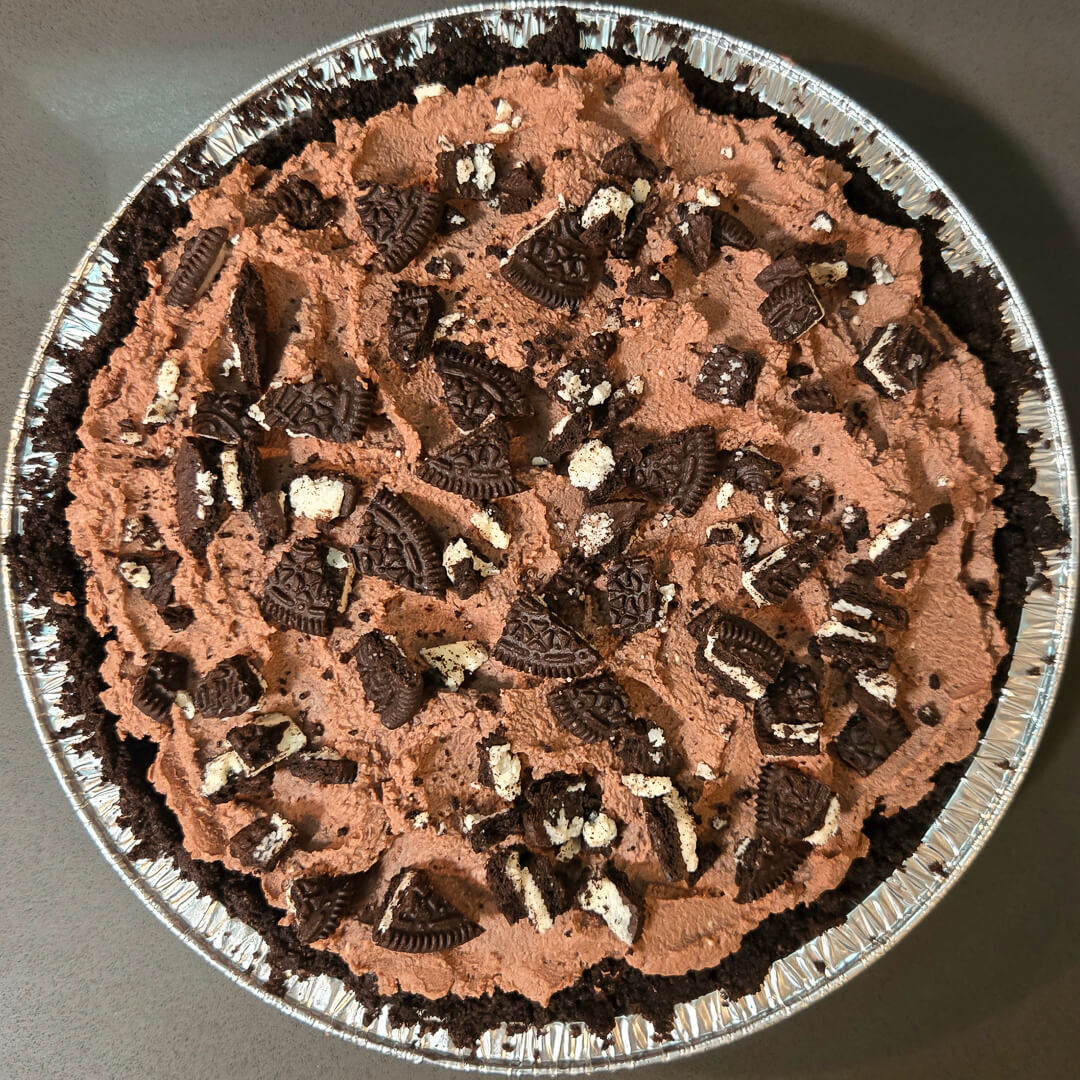
3. Oreo Pie Crust
A chocolate alternative to graham cracker crust, crushed Oreos can be used in place of graham cracker crumbs. Although the crust can be made with just the cookie portion of the chocolate sandwich cookies, entire Oreos can also be crushed in a food processor, eliminating the need to add additional sugar. Mississippi mud pie often uses an Oreo pie crust, and other popular pies for an Oreo pie crust include peanut butter pie, French silk pie, and pumpkin pie.
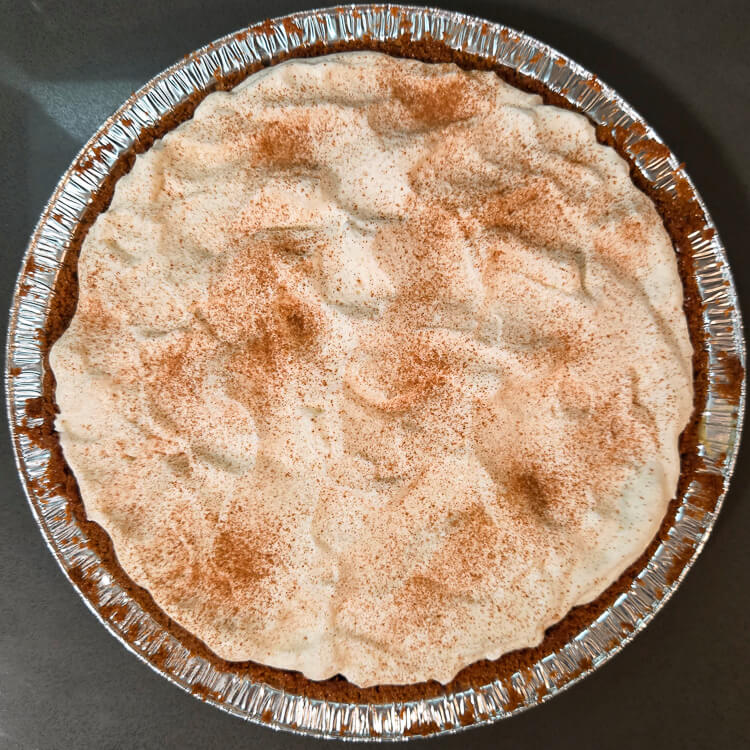
4. Gingersnap Pie Crust
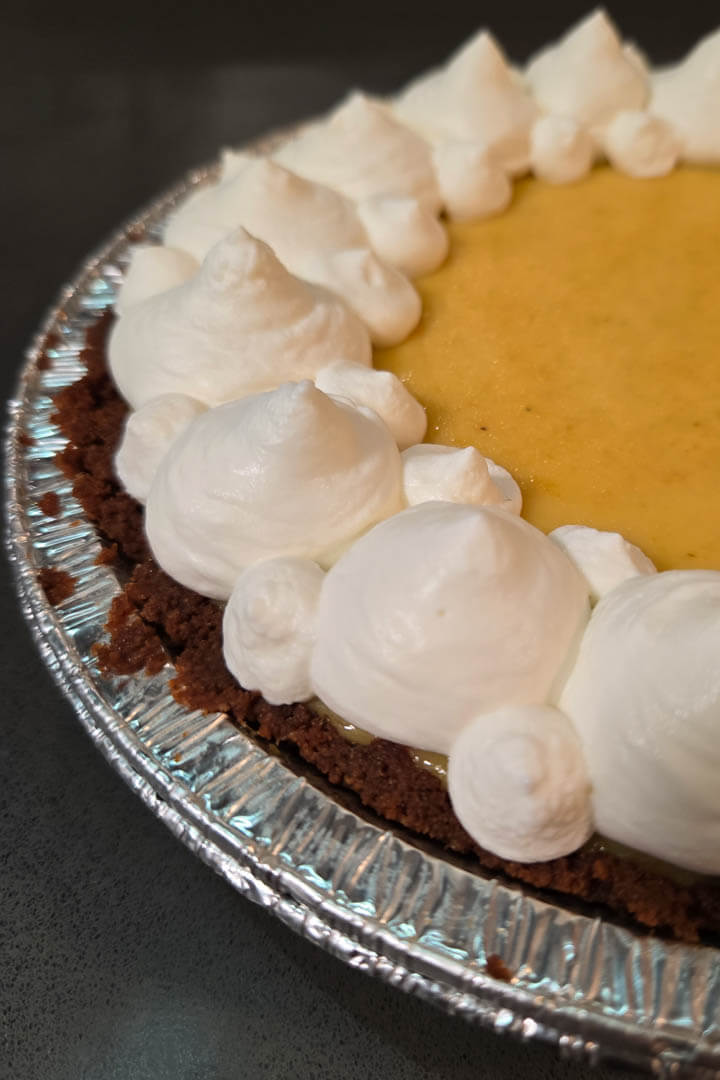
Gingersnap pie crust is a festive alternative to graham cracker crust that can give many pies a fun holiday twist. I use this crust for my eggnog cream pie recipe, and it can also be used with a pumpkin pie or a pumpkin cheesecake pie to make them extra special and festive.
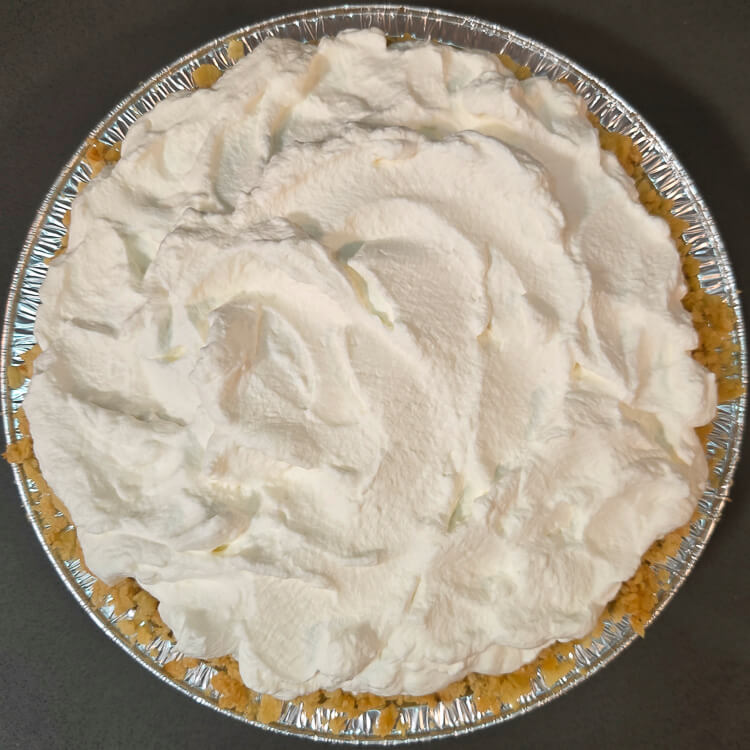
5. Saltine Cracker Pie Crust
Saltine cracker pie crusts aren’t used for many pies, making them one of the more unique crumb crusts I’ve come across. It’s used most often for Atlantic Beach pie, a modern twist on old-fashioned Carolina lemon pies. These pies were created in seafood restaurants on the Carolina coast which probably had a lot of saltine crackers on hand. Saltine cracker pie crusts help balance out the sweetness of citrus pies like lemon pies and key lime pie.
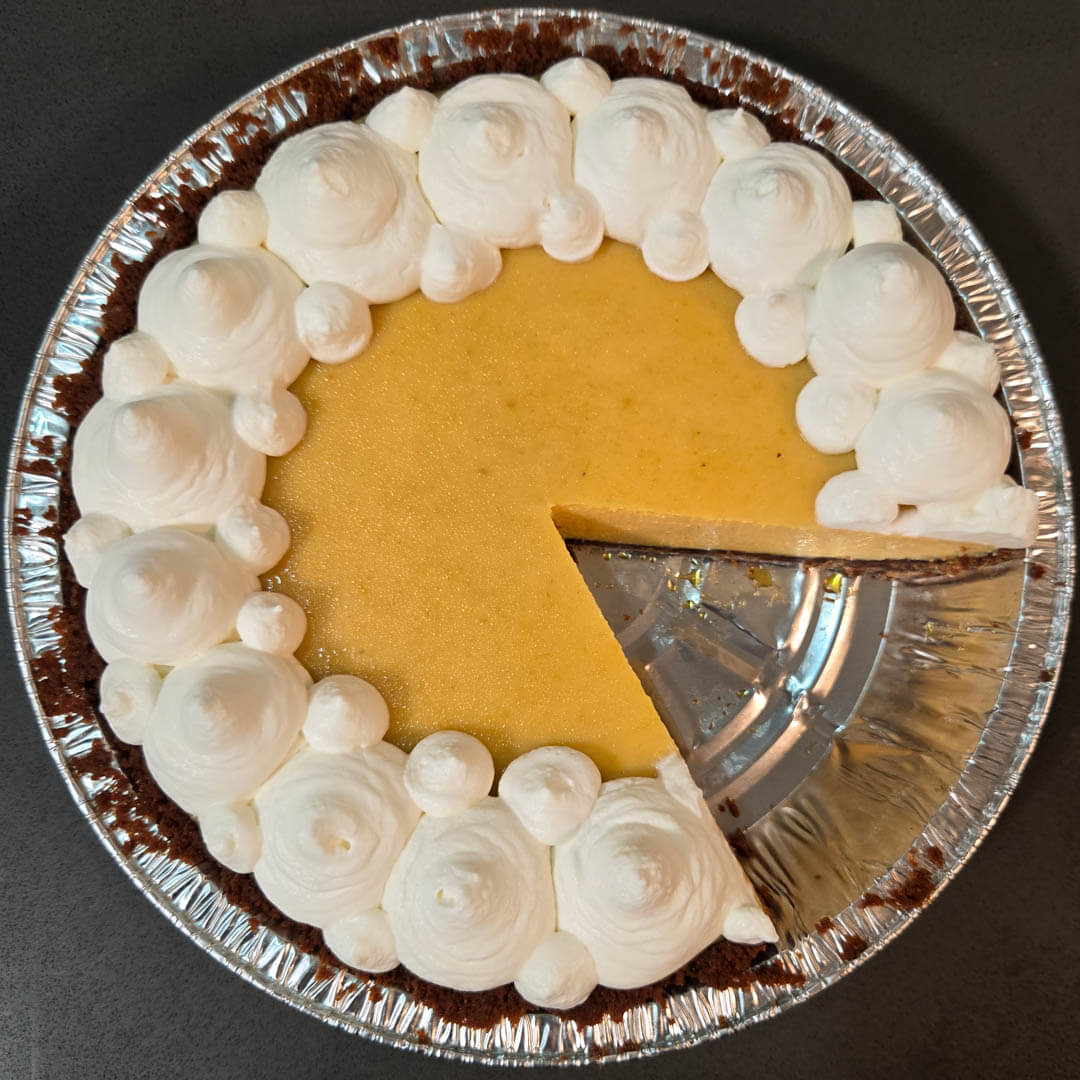
6. Biscoff Cookie Pie Crust
A Biscoff cookie pie crust, also called a speculoos cookie crust, is a simple crumb crust made from crushed Biscoff or other speculoos cookies, melted butter, and a little sugar. Almost any cookie or cracker can be crushed into crumbs and turned into an easy pie crust, and Biscoff cookies make one of the best. They’re similar in flavor to a graham cracker crust, but a bit richer with a slightly more caramel flavor.
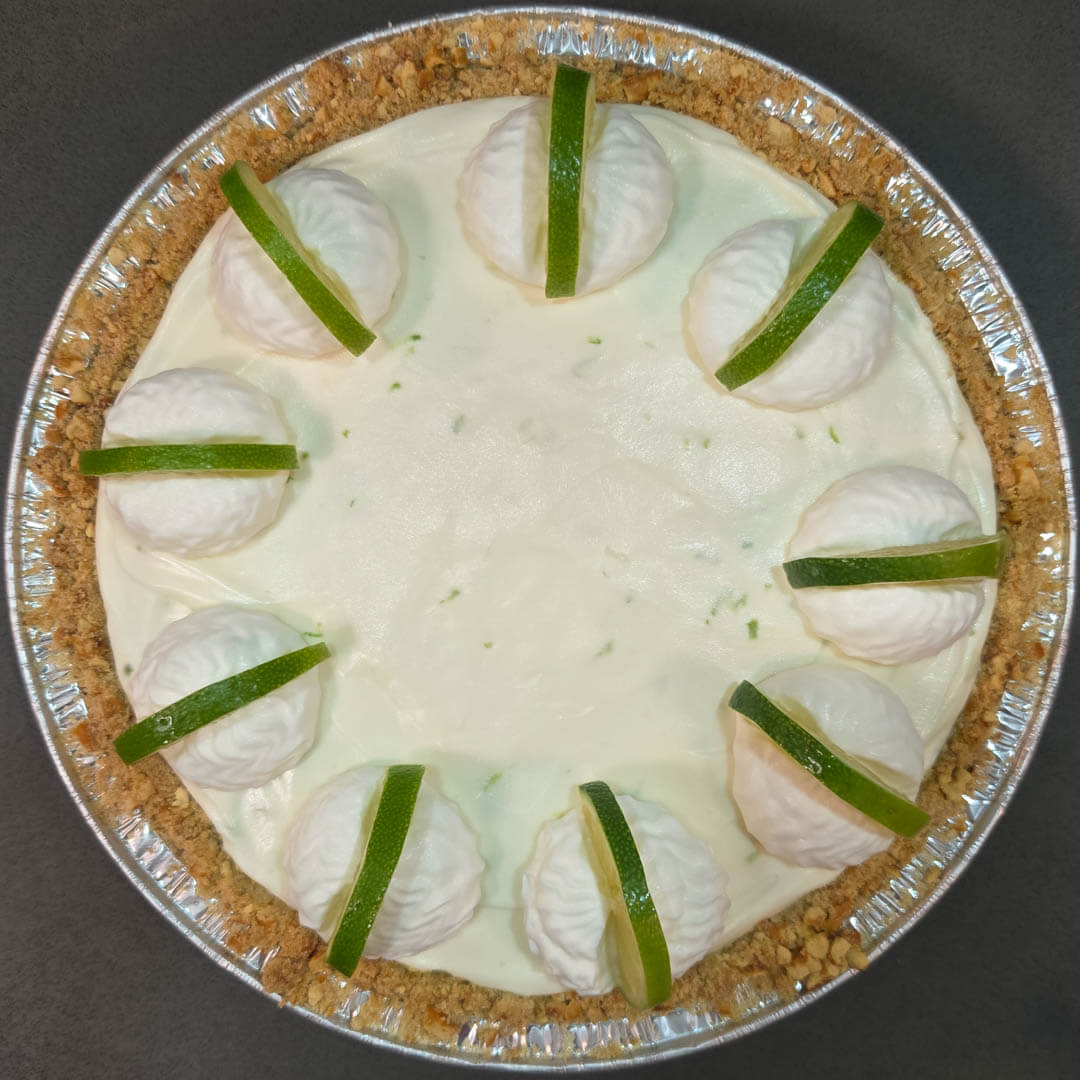
7. Pretzel Pie Crust
Sweet, salty, and malty, pretzel pie crust is an unusual pie crust but a surprisingly delicious one. This easy pretzel pie crust is a crumb crust made from crushed hard pretzels, melted butter, and sugar. It comes together quickly and is a great choice for beginner bakers. Pretzel crust is most frequently the crust for frozen margarita pie and strawberry pretzel salad.
Other Popular Crumb Crusts for Pies
In addition to the seven crumb crust recipes listed above, there are a number of other pie crusts that use crumbs from crushed cookies or crackers. I hope to eventually develop recipes for all of them and post them on this website. These include:
- Vanilla Wafer Pie Crust: Vanilla wafer pie crust is most often used for banana pudding pie.
- Shortbread Cookie Pie Crust: Made with crushed shortbread cookies, shortbread cookie pie crust is as versatile as Biscoff cookie pie crust.
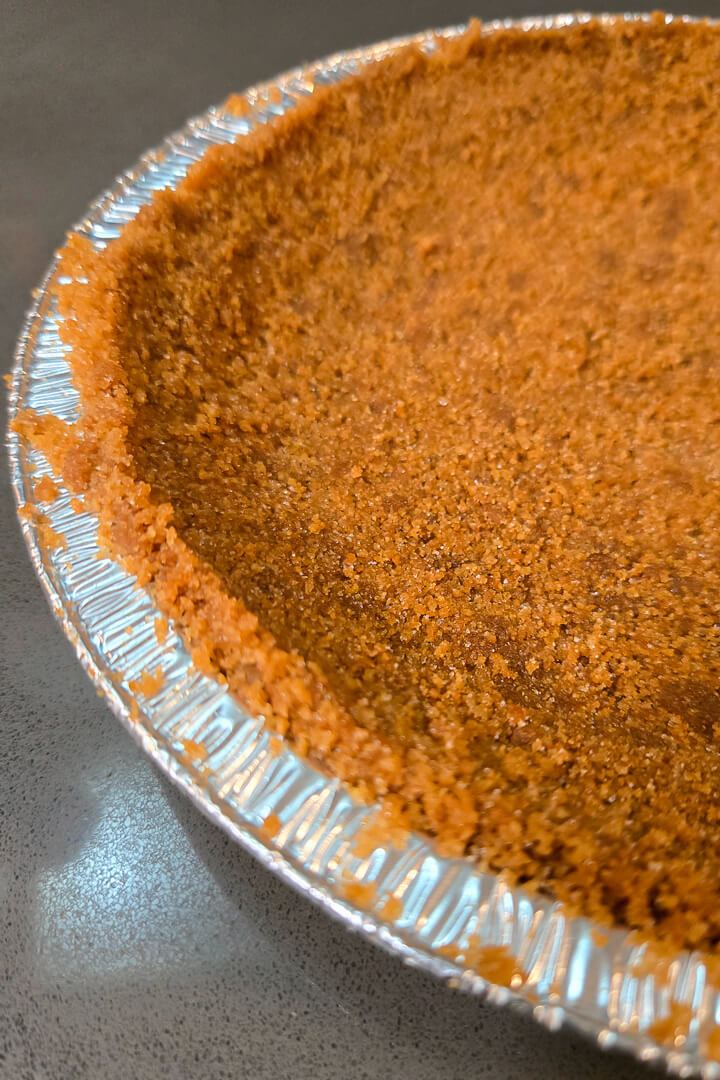
How to Create Your Own Pie Crust Recipe with Cookie Crumbs
Pie crusts made with cookie or cracker crumbs are relatively simple recipes using only 3 ingredients, which makes them really easy to customize! Any crispy cookie or cracker will do the trick. Generally speaking, chewier cookies don’t work as well because they are harder to grind down to fine crumbs and will lead to a different crust texture.
Customizable Crumb-Based Pie Crust Recipe
Ingredients
- 1½c Crumbs from your chosen cookies or crackers
- 1-4T Granulated Sugar
- ¼c Unsalted Butter, melted
1.
Start by grinding your chosen cookies or crackers into fine crumbs. The easiest method is to use a food processor, working in small batches so you don’t overfill the bowl. You’ll need about 1½ cups of crumbs in total. If you don’t have a food processor, place the crackers in a large zip-top bag, leave a small opening for air to escape, and crush them evenly with a rolling pin. You can also save time by buying pre-crushed graham cracker crumbs from the store.
2.
In a medium mixing bowl, combine the crushed crumbs with ¼ cup of melted butter and 1-4 tablespoons of granulated sugar. Stir with a fork until the crumbs are evenly coated and resemble damp sand. Depending on the sweetness of your starting cookie or cracker, you may want to use more or less sugar.
3.
Press the mixture firmly into the bottom and up the sides of a 9-inch pie pan. The easiest method is to start by pressing the crumbs into the center, then working outward until they climb up the edges of the pan. A flat-bottomed measuring cup or glass can help pack the crumbs tightly and evenly.
4.
If your filling will be no-bake, you can choose to pre-bake the crust for 5–7 minutes at 350°F. This step is optional but helps give the crust extra crispness. For baked fillings, the crust will bake as the pie bakes, so pre-baking isn’t necessary.
Do You Need to Bake a Crumb-Based Pie Crust?
Crumb crusts can be used baked or unbaked regardless of what pie you’re making. If your filling requires baking, go ahead and refrigerate the unbaked crust until you’re ready to bake the whole pie. If you’re making a stovetop filling or a no-bake dessert, you can bake the empty crust ahead of time for extra crispiness. This is totally optional, though! To pre-bake your crumb crust, preheat the oven to 350°F (175°C) and bake for 7-10 minutes.

How to Store Crumb Crusts
One of the best things about crumb crusts is how well they can be made ahead of time. If you’re planning for a holiday meal or a busy baking weekend, you can prepare the crust in advance and have it ready when you need it.
Both baked and unbaked crumb crusts can be stored in the freezer for up to one month. To prevent freezer burn, wrap the pie pan tightly in plastic wrap, then place it in a large freezer bag. When you’re ready to use the crust, simply take it out of the freezer and fill it while frozen. If you want a crispier crust, you can refresh it in a 350°F oven for 7-10 minutes.

About Me
In 2016, I left my office job and became a professional baker. These days I spend my days testing recipes and baking pies while my two dogs snooze happily nearby.


Leave a Reply