
This post may contain affiliate links. Please read my disclosure policy.
All recipes on Doggone Baking are intended for humans — the dogs are just our enthusiastic photo assistants and taste-test spectators.

Sour Orange Pie: A True Florida Pie
Sour orange pie is a traditional Floridian dessert that closely resembles the much more widely known key lime pie. It’s a citrus custard pie made using the same method as key lime pie, but with sour orange juice in place of key lime juice. If you can’t find sour oranges, or don’t have access to sour oranges, you can approximate the flavor by substituting a mix of orange juice and lemon juice. However, if you can find sour oranges, they give the best flavor for this pie. If you’re looking for a unique or unusual twist on a classic key lime pie, you should definitely give this pie a try.

What is Sour Orange Pie?
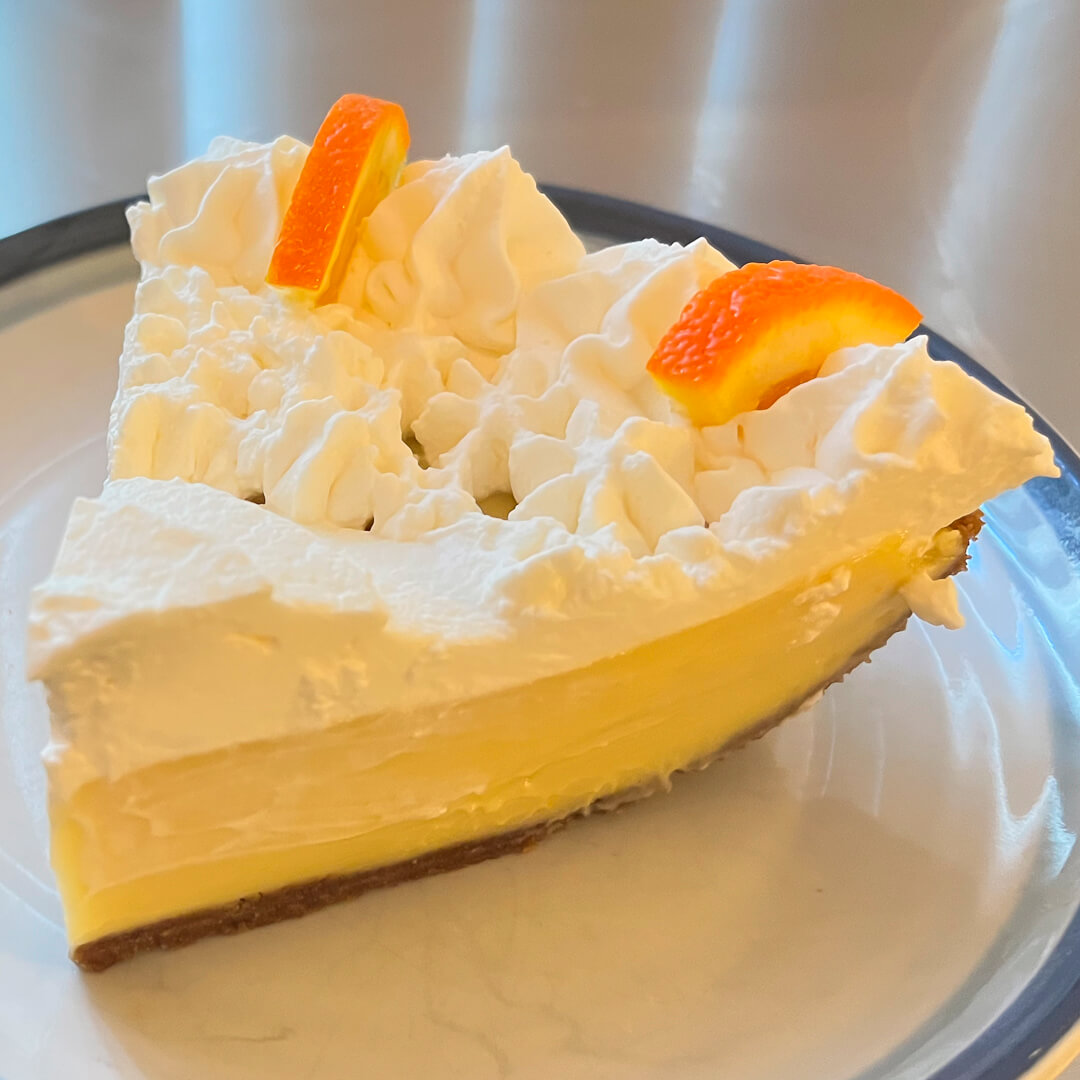
Sour orange pie is a citrus custard pie that’s very similar to key lime pie. Many pies similar to key lime pie can be made with a variety of citrus juices by substituting the key lime juice with another fruit juice. In this version, the lime juice is replaced with sour orange juice. The result is a creamy, thick custard pie with a flavor that’s slightly reminiscent of an orange creamsicle.
The custard is made with just a few ingredients: egg yolks, sour orange juice, and condensed milk. The pie is usually served in a graham cracker crust. Sour orange pie or key lime pie are great pies to start with if you’re just getting into baking or baking pies.
History of Sour Orange Pie
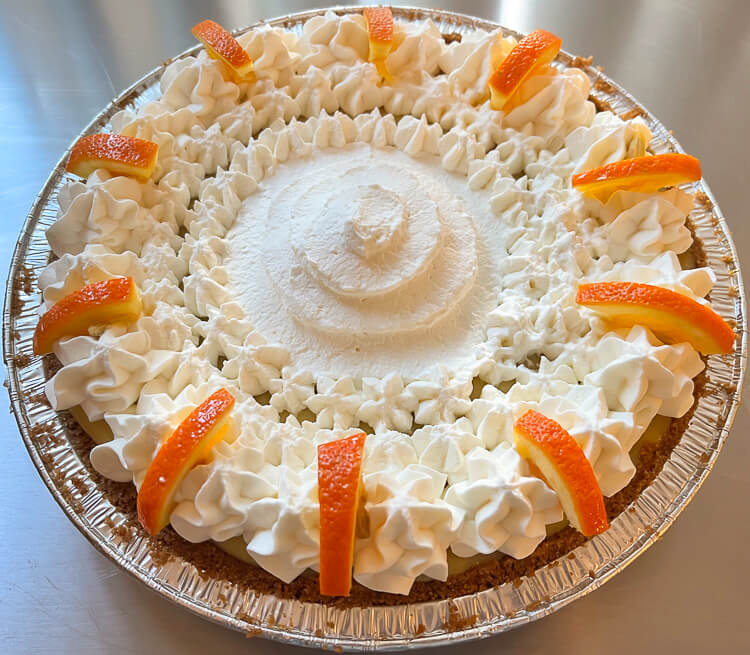
Sour oranges, also called Seville oranges, are a much older variety of orange than the sweet navel oranges most people eat today. Florida has a long history of citrus cultivation, and sour orange pie is generally considered the predecessor to the much more widely known key lime pie. Seville oranges were brought to Florida by Spanish settlers in the 12th century and have grown there for over half a millennium. While key lime pie became nationally famous, sour orange pie remained largely regional. Today, it’s still mostly found in Florida, and it’s rare to see the recipe published in modern cookbooks. That said, a few Floridians I spoke with were familiar with the pie.
The earliest published recipe for sour orange pie that I’ve been able to find dates to 1878, appearing in the Gulf City Cookbook, which was published in Alabama. It’s not surprising that the recipe crossed state lines, especially in the American South. This early version of the pie didn’t use sweetened condensed milk. Instead, it called for a baked custard made from egg yolks, sour orange juice, sugar, butter, and cornstarch. Sour orange pie appears to have remained popular in Florida until key lime pie eventually eclipsed it. Today, the pie survives mostly through scattered online recipes as people work to preserve and revive this extremely regional but delicious dessert.
What is a Sour Orange?
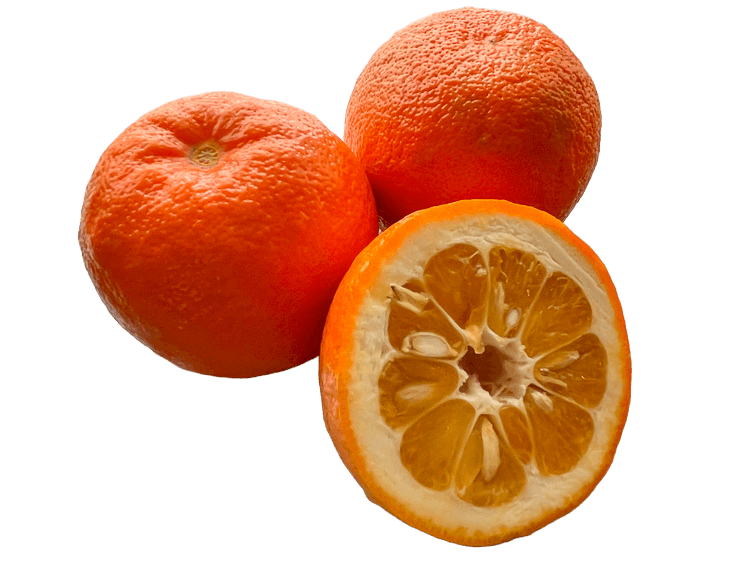
Sour oranges are also known as Seville oranges, bitter oranges, or marmalade oranges. They are a very old variety of citrus and, as the name suggests, they are not very sweet. All modern citrus fruits are hybrids of three ancestral citrus types: pomelos, mandarins, and citrons. Pomelos are most similar to grapefruits, mandarins are most similar to sweet oranges, and citrons are most similar to lemons. Sour oranges are a cross between pomelos and mandarins.
All citrus fruits originated in Asia, particularly in China. Citrons, and later lemons, were the first citrus fruits introduced to medieval Europe. At the time, citrus was not especially popular and was often described as bitter, sour, and unpleasant to eat fresh. Over time, people learned how to prepare and preserve citrus in ways that made it more appealing, which gradually increased its popularity.
Seville oranges are believed to have originated in Southeast Asia and were introduced to Spain in the 12th century. From there, they were brought to the New World, where they grew well in what is now Florida. Compared to modern navel oranges, Seville oranges are lumpier, much more sour, and slightly bitter. They also tend to have less juice and a lot more seeds. You’ll need 7-8 sour oranges to get 1 cup of juice. They are most commonly used to make marmalade. That sharper, more bitter flavor is also what makes them work so well in sour orange pie, where their acidity balances the sweetness of the condensed milk in the filling.
Seville oranges are somewhat unusual because their growing season is both short and confined to winter. While many citrus fruits are at their peak in February and March, Seville oranges are typically best in January. It can be difficult to find Seville oranges for sale in grocery stores since they aren’t as popular, but you will be most likely to find them in January or February.
Substitutes for Sour Orange Juice
Sour oranges, also called Seville oranges, can be difficult to find in most grocery stores. Their growing season is short, and they aren’t cultivated as widely as sweeter citrus varieties like navel oranges because they’re less well known. If you do see Seville oranges for sale, it’s most likely to be in January or February.
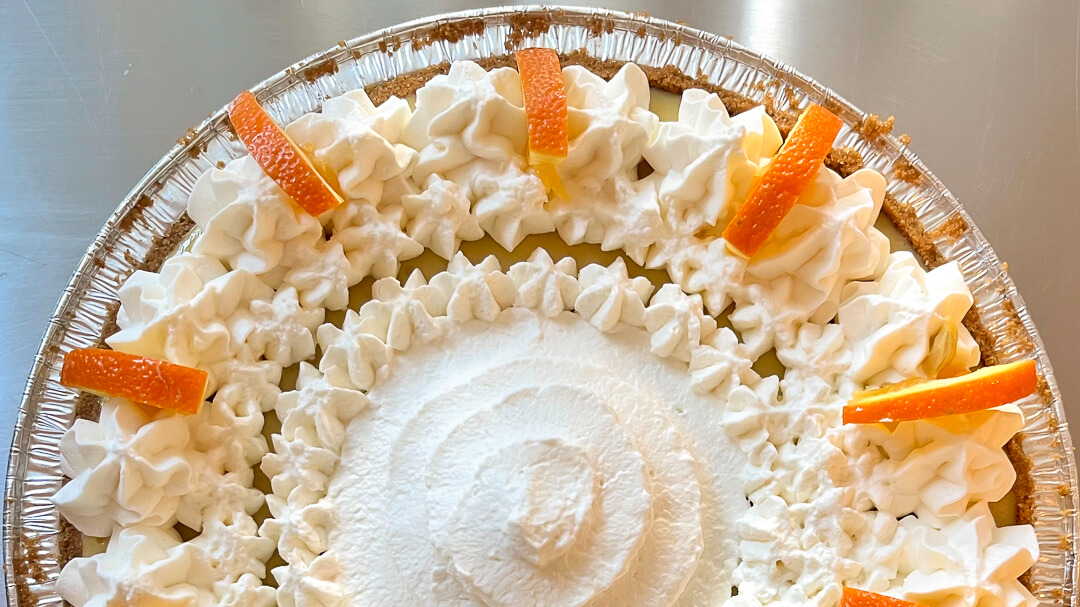
If you can’t find sour oranges, you can approximate the flavor by combining regular orange juice with lemon and grapefruit juice. Some sources recommend using only orange juice and lemon juice, but I find that combination lacks the natural astringency present in true sour orange juice. Adding grapefruit juice helps restore some of that sharp, slightly bitter edge. Other sources suggest adding a splash of vinegar. If you can’t find sour oranges, for this sour orange pie which calls for one cup of sour orange juice I recommend:
- ½c Orange Juice
- ¼c Lemon Juice
- ¼c Grapefruit Juice
Astringency is the drying or puckering feeling that some foods have and is an aspect of bitter flavors and often caused by tannins.
Where to Buy Sour Orange Pie
If you’re in Florida, sour orange pie can still be found at a handful of bakeries and restaurants that keep this regional dessert alive. Two of the most well-known places to try an authentic slice are Zukie’s Pies and Cakes and The Yearling. If you come across a slice while traveling in Florida, it’s well worth trying the real thing.
This information was last updated in December 2025.
Step-By-Step Sour Orange Pie Recipe:
Crust:
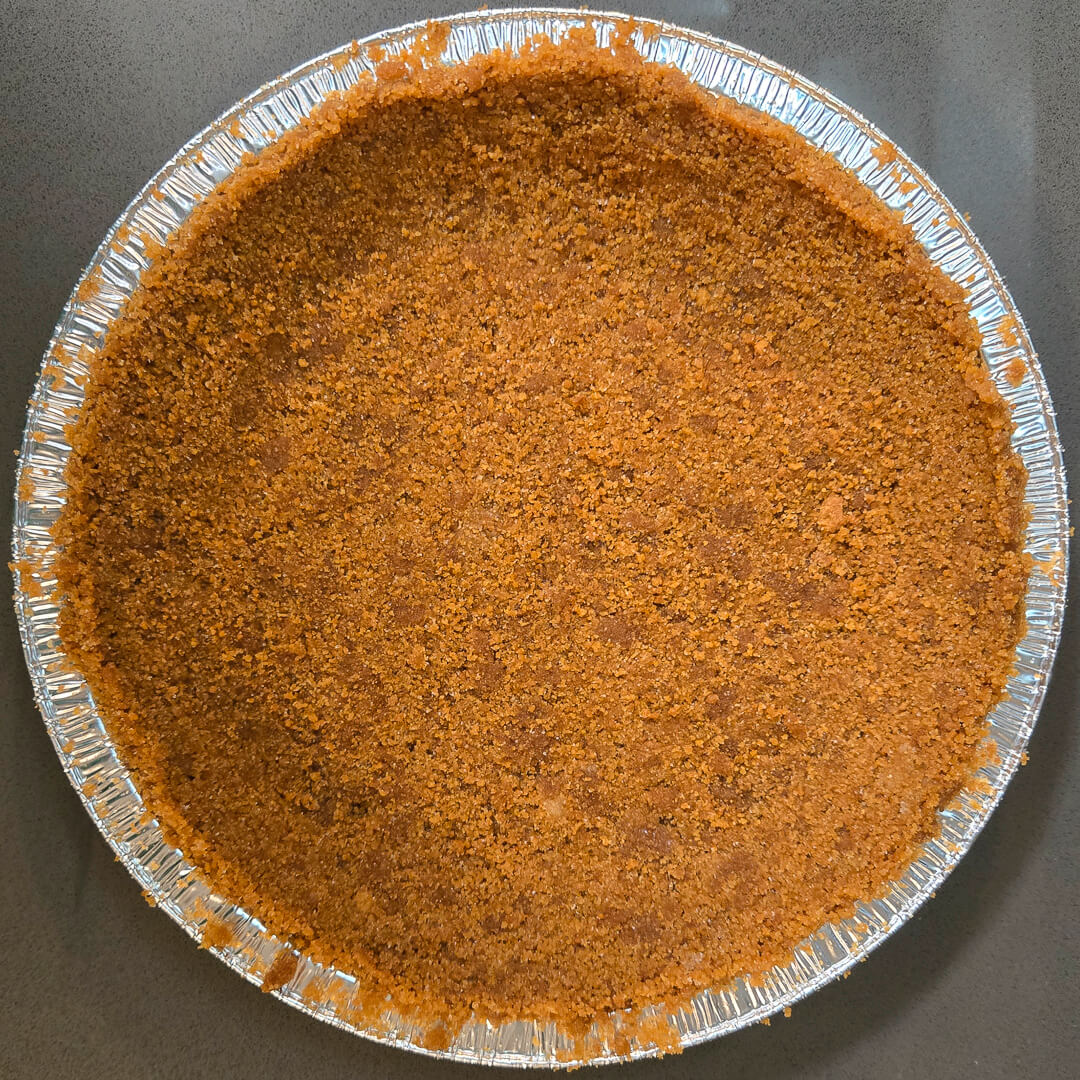
Sour orange pie is most often served in a graham cracker crust like key lime pie. You can sometimes find pre-made graham cracker crusts at the grocery store, or you can make your own since it is one of the easiest crusts to prepare at home. You can find my recipe for graham cracker crust here. If you live somewhere where graham crackers are not commonly sold, a Digestive biscuit crust is a great substitute.
Sour Orange Pie Filling Recipe:
Sour orange pie filling is one of the easiest pie fillings you can make. You don’t need any special equipment, and it only requires three ingredients.
Ingredients
- 28oz Sweetened Condensed Milk (795g)
- 1c Sour Orange Juice (237mL)
- 5 Egg Yolks
- Zest from ½ sour orange (optional)
Note: You’ll need 7-8 sour oranges to get 1 cup of juice.
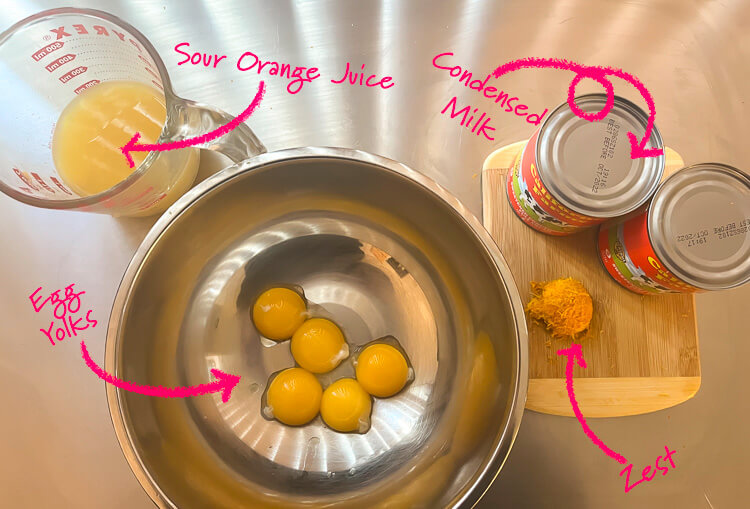
Optional Step: To give your pie a more intense orange flavor, in a small pot on medium heat, combine the sour orange zest and sour orange juice and bring the juice to a boil. As soon as the juice reaches a boil, remove it from the heat. This releases the essential oils in the rind that give citrus fruits their distinct aroma. For an extra smooth custard, you can strain out the zest.
1.
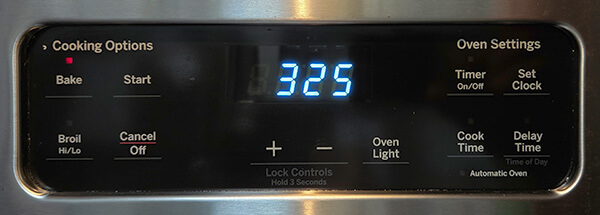
Preheat your oven to 325°F (165°C).
2.
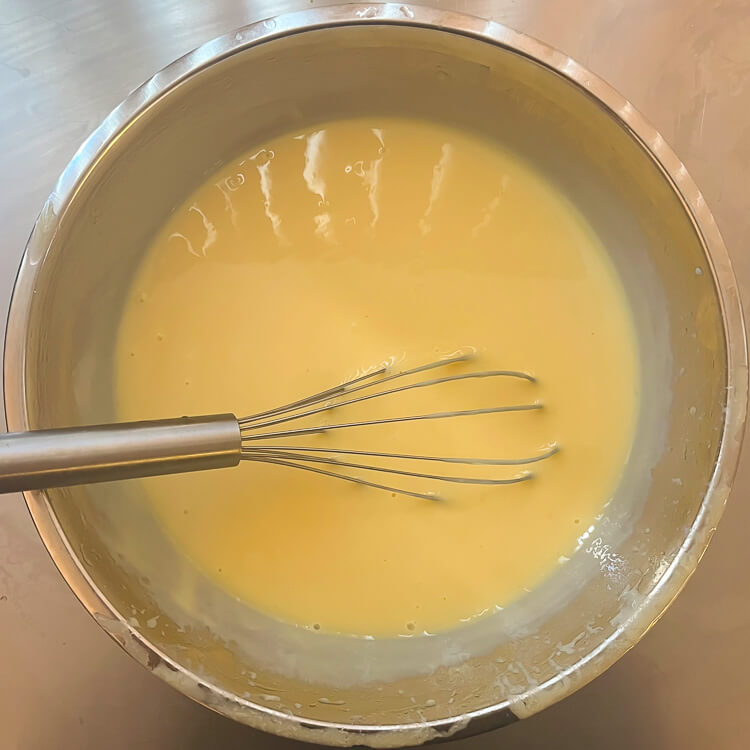
In a large mixing bowl, combine the sweetened condensed milk and egg yolks. Using a whisk or even a fork, mix until fully combined.
3.
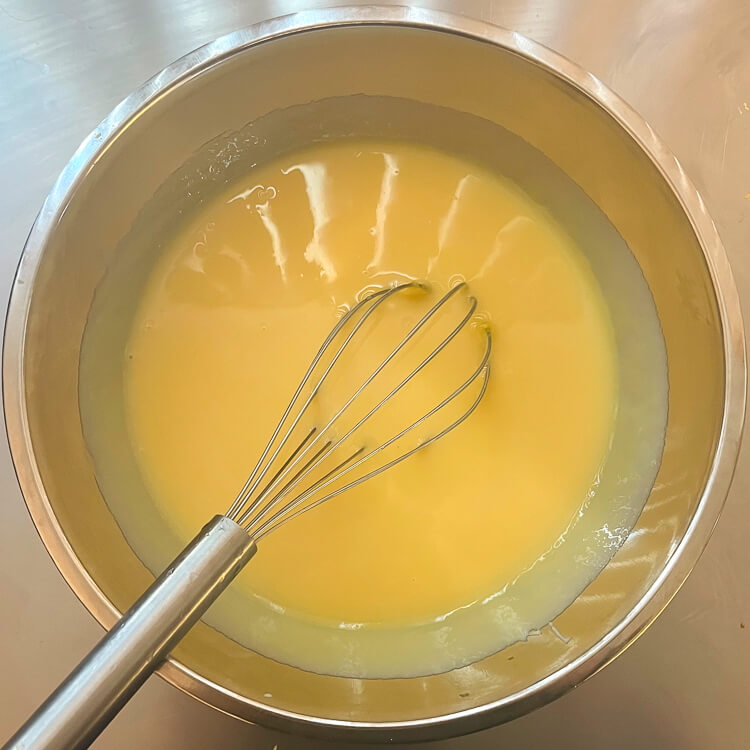
Add the sour juice, and once again mix until fully combined.
4.
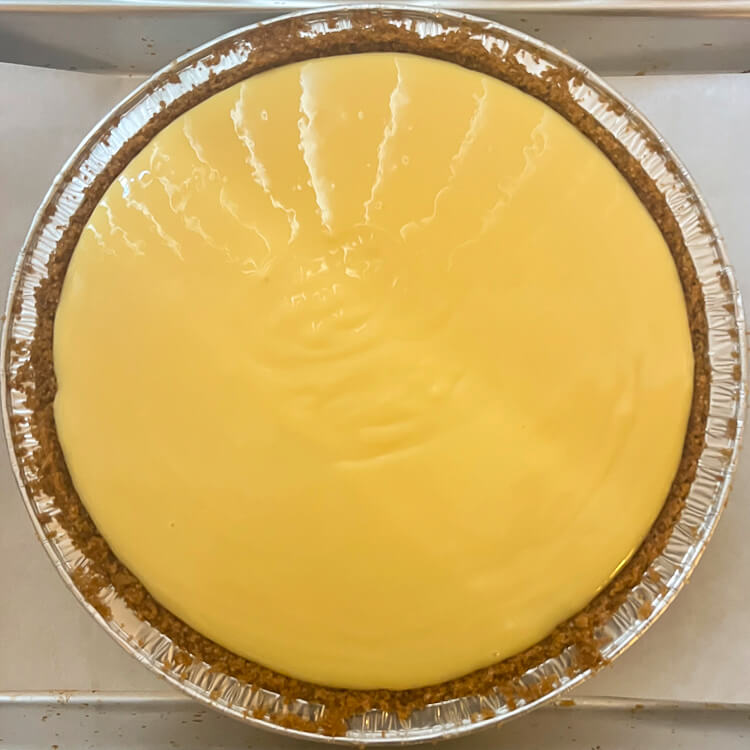
Pour the filling into your prepared graham cracker crust.
5.
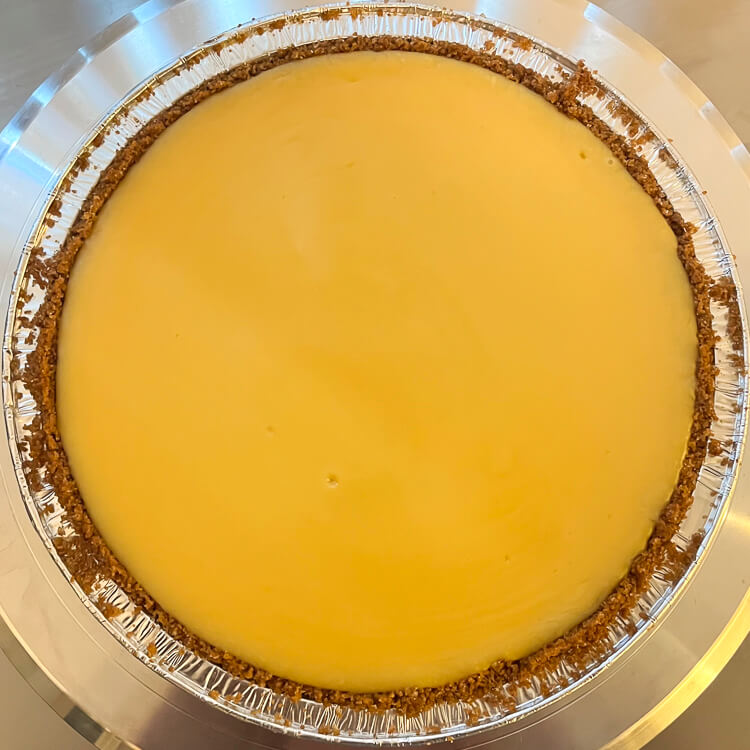
Bake for 25 to 30 minutes, or until very tiny cracks begin to appear around the edges of the pie. (To be quite honest, baked and unbaked sour orange pies look very similar. But after 30 minutes at the correct temperature, the pie should be done).
6.
Chill the pie for at least 3 hours in the refrigerator so the filling can fully set before serving.
Homemade Whipped Cream Topping:
Sour orange pie is most commonly topped with either toasted meringue or whipped cream, but whipped cream is the easier topping of the two.
Ingredients
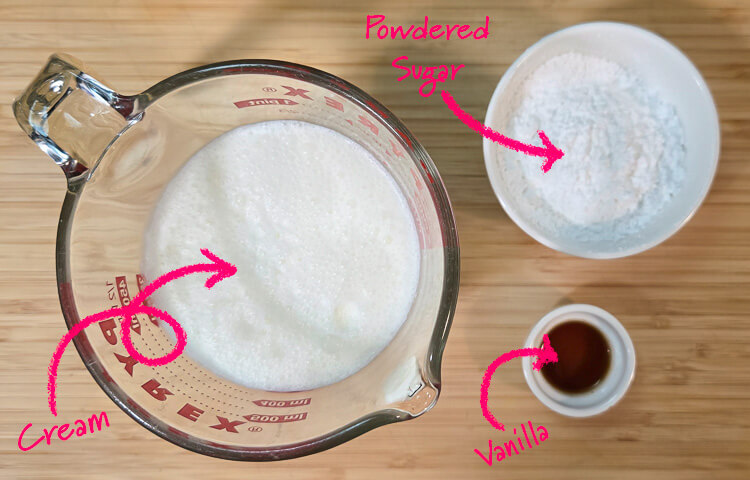
- 1½ c Heavy Whipping Cream, cold
- ¼c Powdered Sugar, sifted (60g)
- ½t Vanilla Extract
1.
In a stand mixer fitted with the whisk attachment, combine the cold heavy cream, sifted powdered sugar, and vanilla extract. Whip on medium-high speed until stiff peaks form and the cream holds its shape.
2.
Spread the whipped cream evenly over the chilled sour orange pie using an offset spatula or the back of a spoon. For a more decorative look, transfer it to a piping bag and pipe rosettes or swirls across the top.
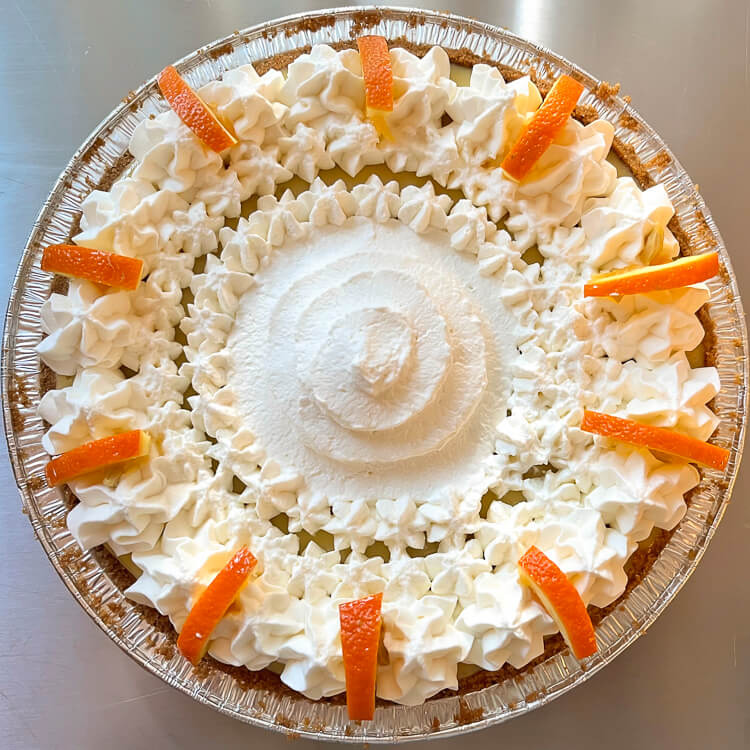
Pro-Tip: Sifting your powdered sugar is an important step to prevent clumps in your whipped cream. You can shake the powdered sugar through a fine-mesh sieve to sift it.
How to Separate Eggs for Sour Orange Pie:
This sour orange pie filling requires egg yolks rather than whole eggs. If you have never separated eggs before, this can seem like an odd or intimidating task. However, once you get the hang of it, it becomes quite easy.
You can separate eggs with a special egg separator tool that is very affordable online. Or you can use the egg shell itself or clean hands to separate the whites from the yolks.
The most important part is to cleanly crack the eggs so the yolk does not break when the egg is opened. Then either crack the egg into an egg separator, or, using clean hands, lift the yolk out of the bowl and allow the egg whites to slip through your fingers.

What Else Can Sour Oranges be Used for?
Although Seville oranges are a less commonly known variety of orange, they can be used in a wide range of dishes, desserts, and condiments. Their sharp, sour, slightly bitter flavor makes them especially useful in recipes that need acidity to balance sweetness or richness. Here are a few common ways sour oranges are used beyond sour orange pie:
- Sour Orange Curd: Citrus curds made with sour juices are especially flavorful. Because curd recipes contain a significant amount of sugar, the higher acidity of sour oranges creates better balance than sweet orange juice alone.
- Orange Marmalade: Sour oranges are so closely associated with marmalade that they’re often called “marmalade oranges.” Their bitterness and acidity are essential to traditional orange marmalade.
- Carnitas: Many traditional carnitas recipes call for sour orange juice. While some versions substitute a mix of orange and lime juice, carnitas made with real sour orange juice tend to have a deeper, more complex flavor.
- Cocktails: Sour orange juice can also be used in cocktails, where its acidity adds brightness and complexity, especially in drinks that benefit from a balance of sweet and bitter notes.
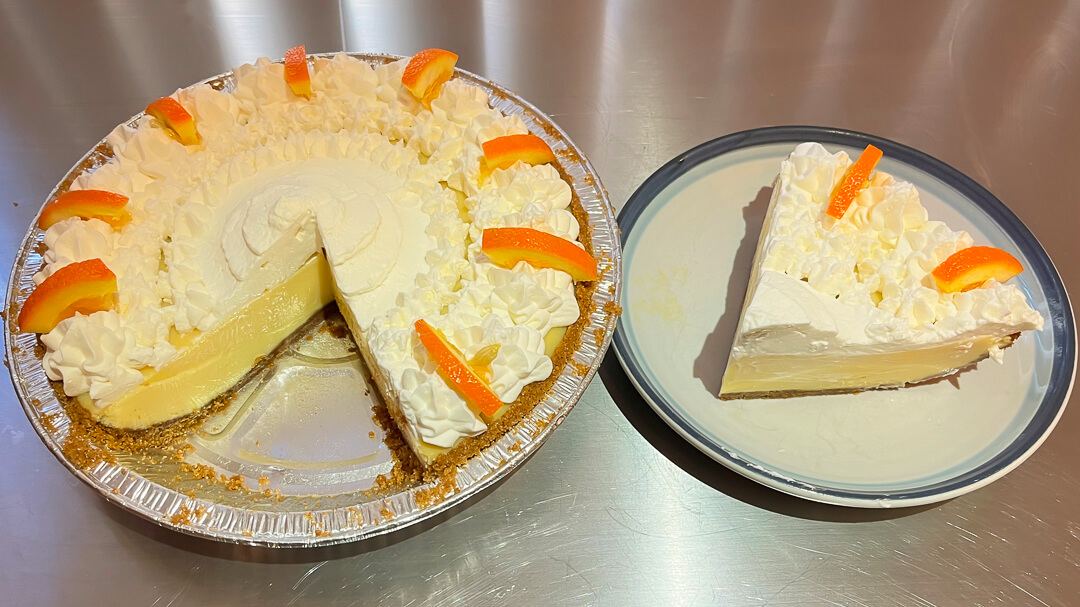
Other Citrus Pies to Try:
Sour orange pie belongs to a family of closely related citrus custard pies that all follow a similar formula, using different citrus juices to create distinct flavors. If you enjoy sour orange pie or key lime pie, here are a few other citrus pies worth trying:
- Key Lime Pie: Key lime pie is the most popular and ubiquitous pie in this category and is considered the state pie of Florida.
- Atlantic Beach Pie: A pie from the North Carolina coast similar to key lime pie that uses a mix of lemon and lime juice. More uniquely, it’s baked in a saltine cracker crumb crust.
- Lemon Pie: Although the flavor and aromatics of lemons and limes differ noticeably, lemons are similarly sour. Lemon juice creates a deliciously creamy lemon pie. In some ways, it acts like a simpler version of lemon curd, making an easy dessert similar to lemon meringue pie.
- Orange Pie: Although oranges are much sweeter than limes, you can make this pie with regular orange juice as well. Keep in mind that the final product will have no sourness to balance the sweetness. You can lower the sweetness by using a mix of orange juice and lemon juice or by making the sour orange pie described above.
- Grapefruit Pie: Grapefruit juice is extremely sour and not very sweet. Using grapefruit juice in place of lime juice in this recipe can create a delicious grapefruit-flavored dessert where the sourness of the grapefruit juice is balanced by the sweetness of the condensed milk.

How to Store Sour Orange Pie:
Sour orange pie is most delicious when served chilled, and it needs to be chilled for a few hours after baking so the custard filling can fully set. Store your sour orange pie in the refrigerator, so you can serve a slice at any time. The pie keeps well in the refrigerator for 3 to 5 days. The filling will remain stable, but after a few days the graham cracker crust will begin to soften and the whipped cream topping will no longer hold up.
Sour orange pies also store very well in the freezer, just like key lime pies. Bake your pie as usual, and instead of storing it in the refrigerator, place it in the freezer wrapped in plastic and sealed in a freezer bag to prevent freezer burn. Do not top the pie with whipped cream or meringue until you are ready to serve it, since the toppings do not freeze well. When you are ready to enjoy your sour orange pie, thaw it in the refrigerator for a couple of hours and then cut your slices.

We’d love to see your sour orange pie creations! If you give this recipe a try, tag @doggone_baking on social media so we can share in the baking fun.

Sour Orange Pie
Ingredients
Crust
Sour Orange Pie Recipe
- 28 oz Sweetened Condensed Milk (795g)
- 1 cup Sour Orange Juice (237mL) see recipe notes
- 5 Egg Yolks
- 1 tsp Sour Orange Zest
Whipped Cream
- 1½ cups Heavy Whipping Cream (355mL)
- ¼ cup Powdered Sugar, sifted (30g)
- ½ tsp Vanilla Extract
Instructions
Make the Key Lime Pie
- Preheat your oven to 325°F (165°C).
- In a large mixing bowl, combine the sweetened condensed milk and egg yolks. Mix until fully combined.
- Add the sour orange juice, and once again mix until fully combined.
- Pour the filling into your prepared graham cracker crust.
- Bake for 25 to 30 minutes, or until very tiny cracks begin to appear around the edges of the pie.
- Chill the pie for at least 3 hours in the refrigerator so the filling can fully set before serving.
Finish with Whipped Cream
- In a stand mixer fitted with the whisk attachment, combine the cold heavy cream, sifted powdered sugar, and vanilla extract. Whip on medium-high speed until stiff peaks form and the cream holds its shape.
- Spread the whipped cream evenly over the chilled sour orange pie using an offset spatula or the back of a spoon. For a more decorative look, transfer it to a piping bag and pipe rosettes or swirls across the top.
Notes
- Sour oranges are sometimes sold as Seville oranges, marmalade oranges, or bitter oranges.
- Sour oranges have less juice than navel oranges. You’ll need about 8 oranges to yield the 1 cup of sour orange juice for this recipe.
- If you can’t find sour oranges, you can substitute a mixture of 1/2 cup of orange juice, 1/4 cup of lemon juice, and 1/4 cup of grapefruit juice.


About Me
In 2016, I left my office job and became a professional baker. These days I spend my days testing recipes and baking pies while my two dogs snooze happily nearby.
See My Full Bio
2 responses to “Sour Orange Pie Recipe: A True Florida Pie”
-

I love this little piece of Florida history! It’s such a unique recipe. -
This was so delicious and unique!





Leave a Reply